Mastering English Communication
English Alphabet and Sounds
The Building Blocks of English
The English alphabet is the foundation for reading, writing, and speaking. It’s made up of 26 letters, each with an uppercase (A, B, C) and lowercase (a, b, c) form. You probably know their names, but knowing their sounds is the real key to clear pronunciation.
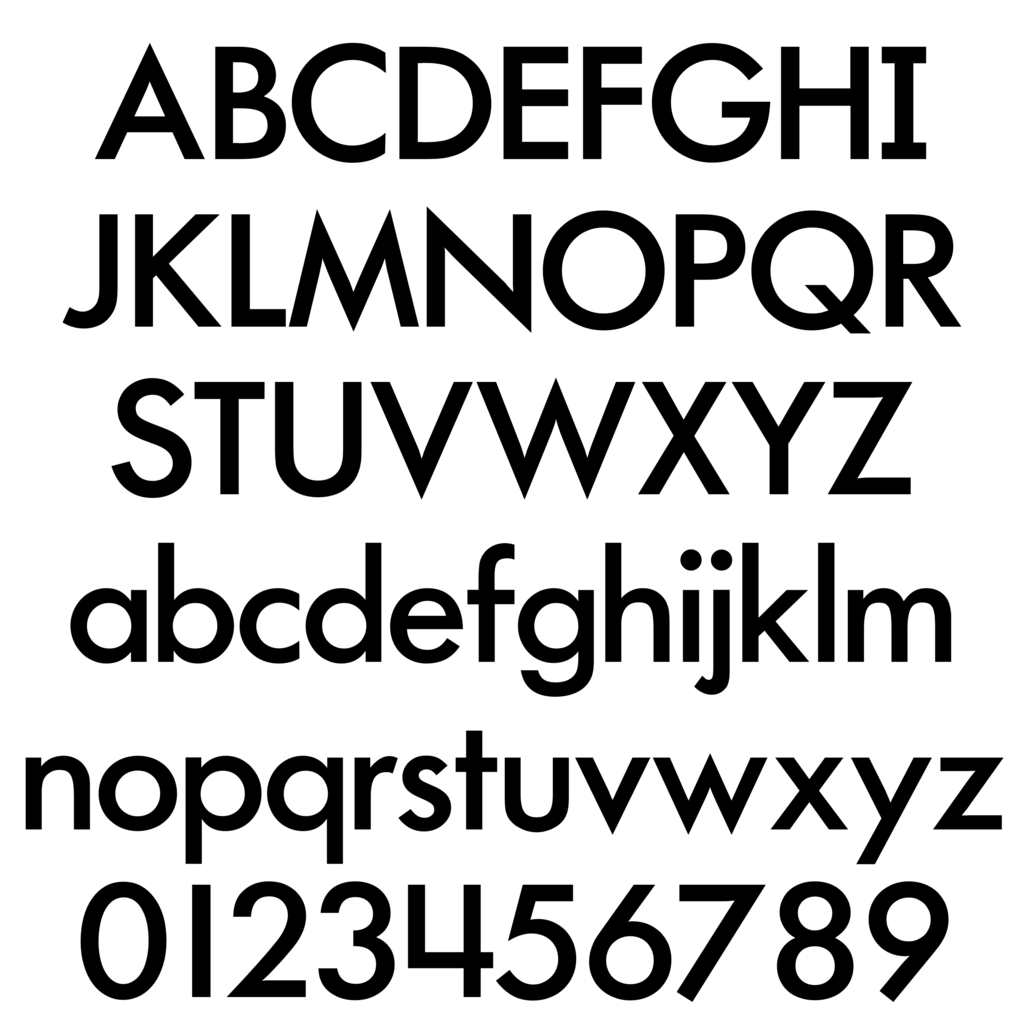
Unlike some languages where one letter makes one sound, English is a bit more complicated. A single letter can represent several different sounds depending on the word it's in. This is one of the biggest challenges for learners.
Letters vs Sounds
Think of the letter 'a'. Say these three words aloud: cat, car, cake. The 'a' in each word makes a completely different sound. This is why just learning the letter names isn't enough. We have to learn their phonetic sounds.
To deal with this ambiguity, linguists created the International Phonetic Alphabet (IPA). The IPA uses unique symbols to represent each distinct sound in a language. You don't need to memorize the whole chart, but understanding a few symbols can make pronunciation guides much clearer.
The sound of 'a' in cat is written as /æ/. The sound of 'a' in car is /ɑː/. The sound of 'a' in cake is /eɪ/.
Let's look at another tricky one: the letter 'c'. Sometimes it sounds like a 'k' as in cat (/kæt/), and other times it sounds like an 's' as in city (/ˈsɪti/). The pattern is that 'c' usually makes the /s/ sound when it comes before the vowels e, i, or y. Otherwise, it typically makes the /k/ sound.
When Letters Team Up
Things get even more interesting when letters join forces to create entirely new sounds. These are called digraphs. For example, 's' and 'h' are two separate letters, but when you put them together as 'sh', they make a new sound, like at the start of the word shoe.
| Combination | Sound (IPA) | Example Word |
|---|---|---|
| ch | /tʃ/ | church |
| sh | /ʃ/ | she |
| th | /θ/ or /ð/ | thin, this |
| ph | /f/ | phone |
Vowels often team up too. The combination 'ea' can sound like the 'e' in bed, as in the word bread. Or it can make a long 'ee' sound, as in the word read. Context is everything.
Learning these patterns takes practice. The more you read and listen, the more you'll develop an instinct for how letters and their combinations are pronounced.
Ready to test your knowledge? Let's see what you've learned about the sounds of English.
True or False: In English, every letter of the alphabet consistently makes only one sound.
The letter 'c' typically makes a soft /s/ sound when it is followed by which set of vowels?
Don't worry if it seems like a lot to remember. Mastering these foundational sounds is a gradual process that unlocks better reading and more confident speaking.