Mastering Energy Efficiency
Introduction to Energy Efficiency
What is Energy Efficiency?
Energy efficiency is about getting the same result while using less energy. Think of two cars driving 100 miles. One car uses five gallons of gas, while the other, more efficient car, uses only three. Both cars got you to your destination, but one used its fuel more wisely.
In our daily lives, this means using technology and habits that reduce energy waste. It's not about going without; it’s about being smarter with the energy we use. An energy-efficient lightbulb, for instance, produces the same amount of light as an old incandescent bulb but uses a fraction of the electricity.
The core idea is simple: accomplish more with less.
The Benefits of Being Efficient
Adopting energy efficiency has three major benefits that impact our wallets, our comfort, and the planet.
First, it saves money. When you use less electricity, natural gas, or other fuels, your utility bills go down. Over time, these savings can add up significantly, whether in a household budget or a company's bottom line.
Second, efficiency often improves comfort and quality of life. A well-insulated house, for example, doesn't just use less energy for heating and cooling; it also maintains a more stable, comfortable temperature year-round. It's quieter and less drafty. In workplaces, better lighting and air quality can improve productivity and employee well-being.
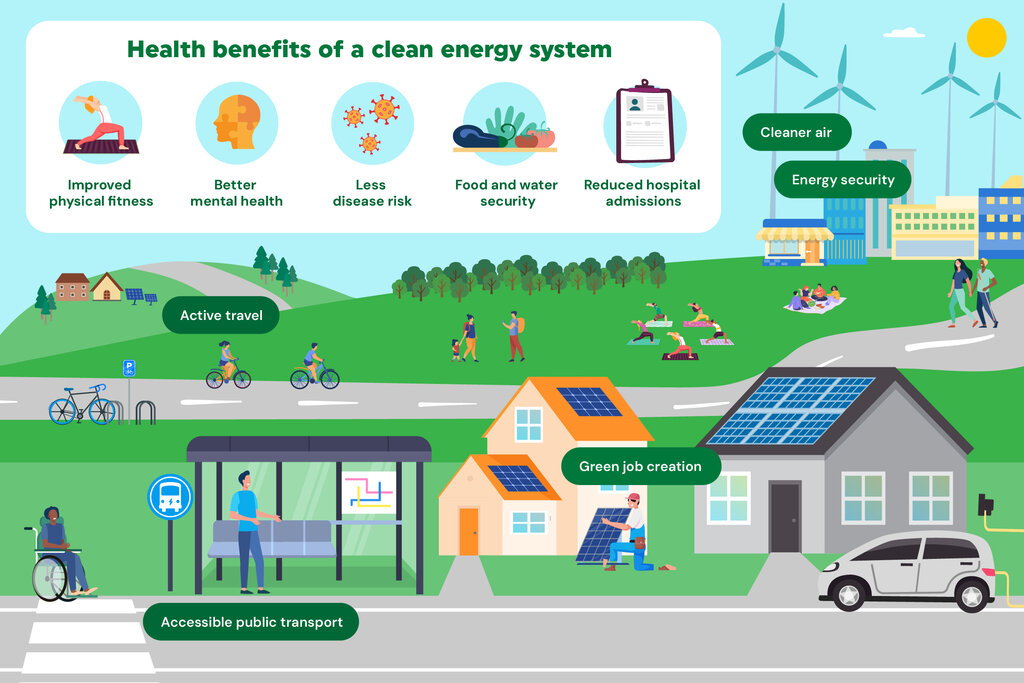
Finally, energy efficiency has a powerful positive effect on the environment. Most of the energy we use comes from burning fossil fuels, which releases greenhouse gases and other pollutants. By reducing our energy demand, we lessen the need to extract and burn these fuels, which helps combat climate change and reduces air and water pollution.
Where Our Energy Goes
To improve efficiency, we first need to know where energy is being used. In a typical home, the biggest energy consumers are usually heating and cooling systems. After that come water heaters, lighting, refrigerators, and electronics.
Workplaces have similar patterns, but often on a much larger scale. Office buildings use vast amounts of energy for climate control, lighting, and running computers and servers. Industrial facilities also use massive amounts of energy to power machinery and manufacturing processes.
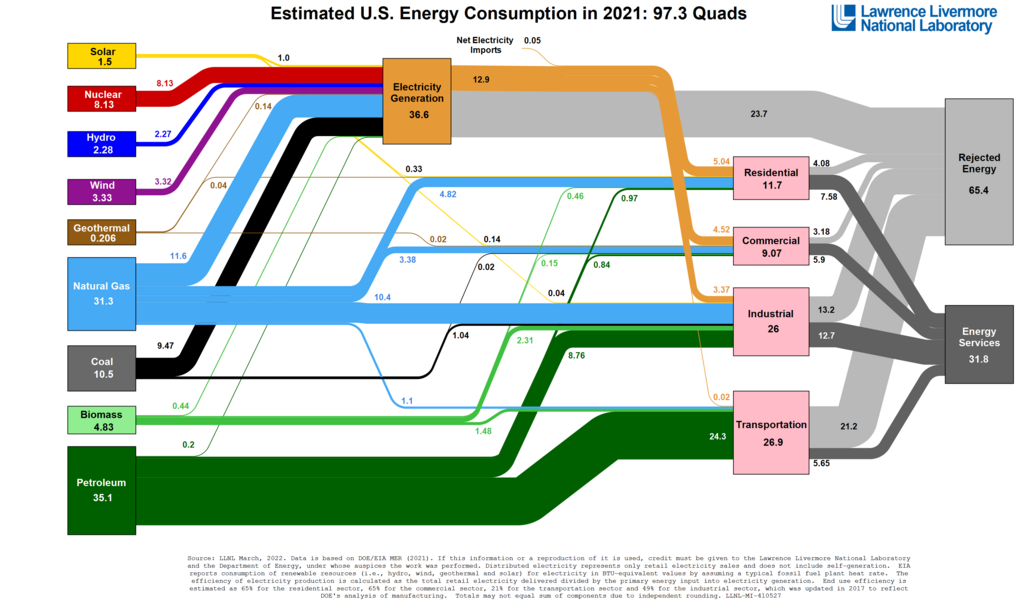
This kind of diagram, called a Sankey diagram, helps visualize energy flow. The wide bands show where the most energy is going. Notice the large amount of "rejected energy" at the right—this is energy that's lost as waste heat during conversion, like the heat coming off a lightbulb or a car engine. Energy efficiency aims to shrink this waste.
Energy efficiency and its conservation is one of the best ways to bridge the gap between demand and supply.
Now, let's test your understanding of these core concepts.
What is the primary goal of energy efficiency?
According to the text, what are the three major benefits of adopting energy efficiency?
Understanding what energy efficiency is and why it matters is the first step. By seeing where our energy goes, we can begin to identify the best opportunities to reduce waste.