Mastering Employee Onboarding
Introduction to Employee Onboarding
What Is Onboarding?
Starting a new job can feel like the first day at a new school. You don't know where anything is, who to talk to, or what the unwritten rules are. Employee onboarding is the process of helping new hires navigate this uncertainty. It's much more than a single day of orientation; it’s a structured journey to get someone up to speed and integrated into the company.
Think of it as a guided tour. Instead of just being handed a map and wished good luck, a new employee is shown the key locations, introduced to important people, and taught the local customs. The goal is to make them feel welcome, prepared, and confident in their new role.

The Goals of Good Onboarding
A strong onboarding program has a few clear objectives. It's not just about paperwork and setting up a computer. It's about building a foundation for long-term success.
The four main goals are boosting confidence, clarifying the role, explaining the culture, and fostering social connections.
Role Clarity: New hires need to know exactly what is expected of them. A good onboarding process clearly defines their responsibilities, performance goals, and how their work contributes to the bigger picture. This eliminates confusion and empowers them to start contributing quickly.
Self-Confidence: Feeling capable is crucial. Onboarding should equip employees with the knowledge and tools they need to do their job well. Early wins, even small ones, build momentum and confidence.
Social Integration: No one wants to eat lunch alone. Onboarding should help new employees build relationships with their colleagues and managers. This can be done through team introductions, assigning a buddy or mentor, and organizing social events. Feeling like part of a team is a powerful motivator.
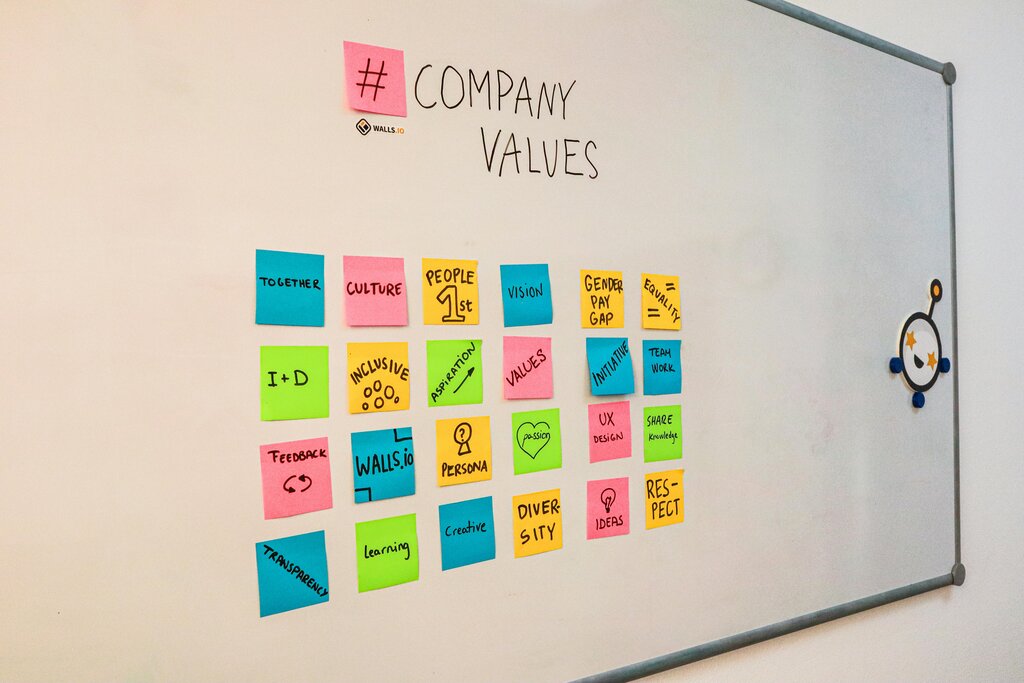
Knowledge of Culture: Every company has its own way of doing things—its own culture. This includes communication styles, company values, and shared traditions. Onboarding is the perfect time to teach new hires these unwritten rules so they feel like they belong.
Why It Matters
When companies invest in a structured onboarding process, they see significant returns. Employees who have a positive onboarding experience are more likely to be engaged, productive, and satisfied with their jobs.
onboarding
noun
The process of integrating a new employee into an organization and its culture, as well as providing them with the tools and information needed to become a productive member of the team.
Most importantly, good onboarding drastically improves employee retention. The first few weeks are a critical period. If new hires feel unsupported or confused, they are more likely to start looking for another job. Replacing an employee is expensive and disruptive, so keeping them around is a smart business move. A thoughtful onboarding process shows new hires that the company is invested in their success, making them want to invest back in the company.
A few best practices include creating a structured plan for the first few weeks, assigning a mentor to guide the new hire, scheduling regular check-ins to offer support, and gathering feedback to continuously improve the process.
Ready to check your understanding?
What is the primary purpose of employee onboarding?
True or False: A successful onboarding process focuses exclusively on teaching a new hire the technical skills required for their job.
By focusing on a structured and welcoming experience, companies can turn a nervous first day into the start of a long and successful career.