Mastering Emotional Intelligence in Communication
Understanding Emotions
What is Emotional Intelligence?
Have you ever met someone who just seems to get people? They stay calm in stressful situations, listen well, and know just what to say. Chances are, that person has high emotional intelligence.
Emotional intelligence, often called EI or EQ, isn't about being overly emotional or suppressing your feelings. It's about understanding them. Emotions are a form of data, giving us valuable information about ourselves and our environment.
Emotional intelligence is the ability to understand, use, and manage your own emotions in positive ways while also understanding and influencing the emotions of others.
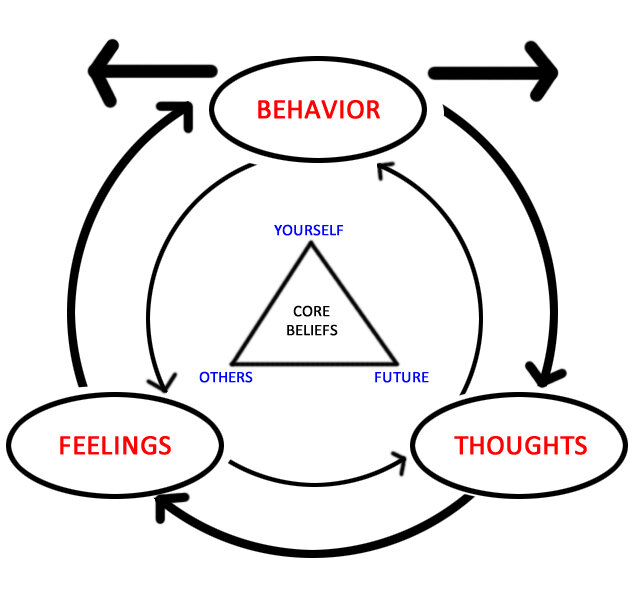
Think about a time you made a snap decision when you were angry or anxious. How did it turn out? Our feelings heavily influence our thoughts and actions, from what we buy at the store to how we handle a disagreement with a coworker. By developing EI, we learn to recognize these emotional signals and use them to make better choices, rather than letting them control us. This skill is crucial not just for building stronger relationships but also for navigating professional challenges and achieving personal goals.
The Five Pillars of EI
Emotional intelligence isn't one single skill but a combination of five distinct abilities. Mastering them allows you to build stronger connections and lead a more effective life.
Let's break down each one.
Self-Awareness
noun
The ability to recognize and understand your own moods, emotions, and drives, as well as their effect on others.
Self-awareness is the bedrock of EI. Without it, you can't manage your emotions or understand others'. It’s like trying to read a map without knowing your current location. This skill involves checking in with yourself: What am I feeling right now? Why might I be feeling this way? Simply naming an emotion can give you a powerful sense of control over it.
Self-Regulation: Think Before You Act
Once you know what you’re feeling, the next step is managing it. Self-regulation is the ability to control or redirect disruptive impulses and moods. It's not about bottling up your feelings. It's about choosing how to respond. Instead of lashing out in anger, a self-regulated person might take a deep breath and express their frustration constructively, or wait until they've calmed down to address the issue.
Motivation: Harness Your Emotions
This pillar refers to an internal drive to achieve for the sake of achievement, not for external rewards like money or status. Emotionally intelligent people are motivated by a deep-seated passion for what they do. They use their emotions to push through challenges, stay optimistic in the face of setbacks, and remain focused on their long-term goals.
Empathy
noun
The ability to understand the emotional makeup of other people and to treat people according to their emotional reactions.
Empathy is about putting yourself in someone else's shoes. It’s the ability to sense what others are feeling and to see things from their perspective. This skill is vital for building trust and rapport in any relationship, whether personal or professional. It allows us to communicate more effectively and resolve conflicts with compassion.
Empathy is a crucial component of emotional intelligence.
Social Skills: Putting It All Together
Social skill is the culmination of the other EI pillars. It's about using your awareness of your own emotions and your empathy for others to manage relationships and build networks. This includes everything from clear communication and active listening to persuasion and leading teams. People with strong social skills are adept at finding common ground and building connections.
Emotions Drive Decisions
We often like to think of ourselves as rational beings, but the truth is that emotions are at the heart of nearly every decision we make. A positive mood can make us more optimistic and open to new ideas, while a negative one can narrow our focus and lead to more critical, cautious thinking.
Understanding this link is empowering. When you're facing a big decision, checking your emotional state first can be as important as weighing the pros and cons. Are you feeling fearful? That might cause you to avoid a perfectly reasonable risk. Are you overly excited? That could lead you to overlook potential downsides.
Emotional intelligence gives you the ability to pause, identify the emotion at play, and ask, "Is this feeling helping or hindering my judgment?" This simple step can lead to more thoughtful decisions and better outcomes.
What is the fundamental principle of emotional intelligence (EI)?
A coworker gives you some harsh feedback on a project. Instead of reacting immediately, you take a moment to breathe and consider their words before responding calmly. Which pillar of EI are you primarily demonstrating?
Developing emotional intelligence is a lifelong practice, but it starts with understanding these core concepts. By paying more attention to your inner world and the emotions of those around you, you're already taking the first step.