Mastering Emotional Intelligence
Introduction to Emotional Intelligence
Beyond Book Smarts
We all know people who are brilliant on paper but struggle in their relationships or at work. They might have a high IQ and deep technical knowledge, but something is missing. That 'something' is often emotional intelligence.
Emotional intelligence, or EI, is the ability to understand and manage your own emotions, and to recognize and influence the emotions of those around you. It’s not about being nice all the time. It’s about being smart with feelings.
Emotional intelligence is the ability to understand, use, and manage your own emotions in positive ways while also understanding and influencing the emotions of others.
Think of it as a different kind of intelligence. While IQ helps with complex problem-solving and learning, EI helps you navigate the social complexities of life. It’s what allows you to build strong relationships, communicate effectively, and lead with compassion.
In our personal lives, high EI helps us have more fulfilling friendships and partnerships. At work, it’s a key ingredient for teamwork, leadership, and handling stress. People with strong emotional intelligence are often more resilient and adaptable to change.
The Five Pillars of EI
Emotional intelligence isn't a single trait but a combination of five core skills. Understanding them is the first step toward building your own EI.
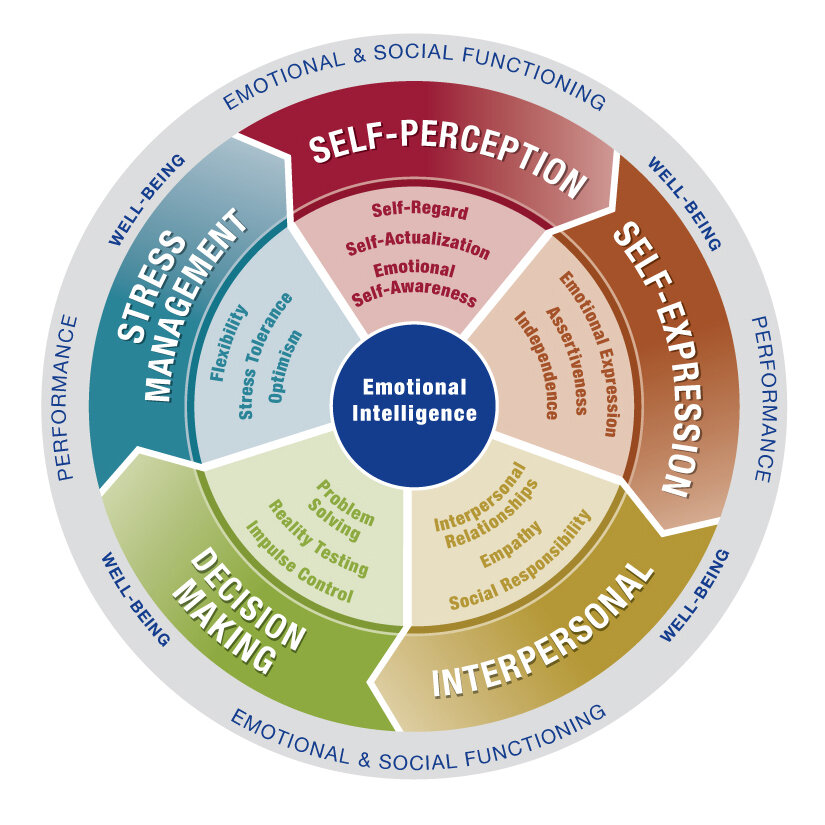
1. Self-Awareness This is the foundation of EI. It’s the ability to recognize and understand your own moods, emotions, and drives, as well as their effect on others. Self-aware people know their strengths and weaknesses and aren't afraid to talk about them.
For example, you might notice that you get irritable when you're working on a tight deadline. That’s self-awareness in action. You're not just feeling angry; you understand the trigger.
2. Self-Regulation Once you're aware of your emotions, the next step is managing them. Self-regulation is the ability to control or redirect disruptive impulses and moods. It’s about thinking before you act.
Building on the previous example, instead of snapping at a coworker, you recognize your stress, take a deep breath, and maybe step away for a short walk. You’re regulating your emotional response.
3. Motivation This is the passion to work for reasons that go beyond money or status. People with high EI are driven by an inner ambition to pursue goals with energy and persistence. They're optimistic, even in the face of failure.
Imagine a project at work hits a major snag. Someone driven by internal motivation will see it as a challenge to overcome, not a reason to give up. They find satisfaction in the work itself.
4. Empathy Empathy is the ability to understand the emotional makeup of other people. It’s about being able to put yourself in someone else's shoes. This skill is crucial for building and maintaining relationships.
An empathetic manager, for instance, can sense a team member’s anxiety about a new assignment. They can then offer support and tailor their communication to ease those concerns, rather than just piling on more work.
Empathy is not about agreeing with someone. It's about understanding their perspective.
5. Social Skills This is the culmination of the other four components. Social skill is proficiency in managing relationships and building networks. It's the ability to find common ground and build rapport.
Leaders with strong social skills are great communicators. They are adept at managing teams, persuading others, and leading change. They can build a shared vision and get others excited to follow it.
Ready to see how well you've grasped these concepts?
Which of the following best defines emotional intelligence (EI)?
You find yourself feeling increasingly frustrated while working on a challenging project. Recognizing that your frustration is due to the looming deadline and not your coworker's questions is an example of which EI skill?
These five pillars work together, creating a powerful set of skills for navigating our increasingly complex world. By understanding them, you've taken the first step on a journey to becoming more emotionally intelligent.