Mastering Ejaculation Control
Ejaculatory Physiology
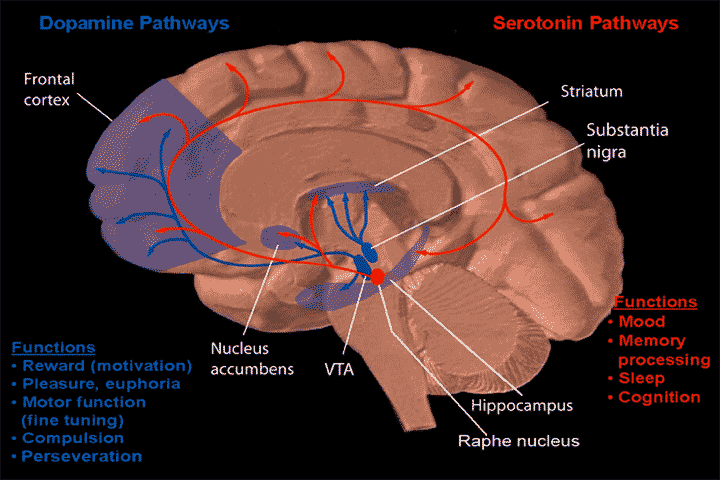
The Brain's Control Panel
Ejaculation might feel like a simple reflex, but it's orchestrated by a complex conversation within your nervous system. This conversation happens through chemical messengers called neurotransmitters. Think of them as the stop and go signals that regulate the entire process.
Two of the most important players are dopamine and serotonin. Dopamine acts as the primary "go" signal. It's associated with pleasure, motivation, and reward. When you're aroused, dopamine levels rise, pushing the ejaculatory process forward. It builds excitement and drives the reflex toward its conclusion.
On the other hand, serotonin acts as the "stop" signal. It has an inhibitory effect, essentially applying the brakes. Higher levels of serotonin in the nervous system tend to delay ejaculation. This balance between dopamine's acceleration and serotonin's braking is what determines the timing of the ejaculatory reflex.
Hormonal Influences
While neurotransmitters manage the second-to-second signals, hormones set the overall stage. These chemical messengers travel through the bloodstream and have broader, more sustained effects on sexual function.
Testosterone is the foundational hormone for male sexual desire, or libido. It doesn't directly trigger ejaculation, but it ensures the entire system is primed and responsive. Without adequate testosterone, sexual interest and arousal can decrease, which indirectly impacts the ability to ejaculate.
Oxytocin plays a more direct role. Often called the "bonding hormone," it surges during orgasm and is crucial for the physical mechanics of ejaculation. Oxytocin stimulates powerful, rhythmic contractions in the smooth muscles of the vas deferens and prostate gland. These contractions are what propel semen through the urethra and out of the body.
Think of testosterone as the fuel in the tank, and oxytocin as the spark that ignites the engine's final push.
The Muscular Foundation
The final step of ejaculation is a physical event, driven by a group of muscles at the base of the pelvis known as the pelvic floor. These muscles provide support for pelvic organs and are vital for urinary, bowel, and sexual function.
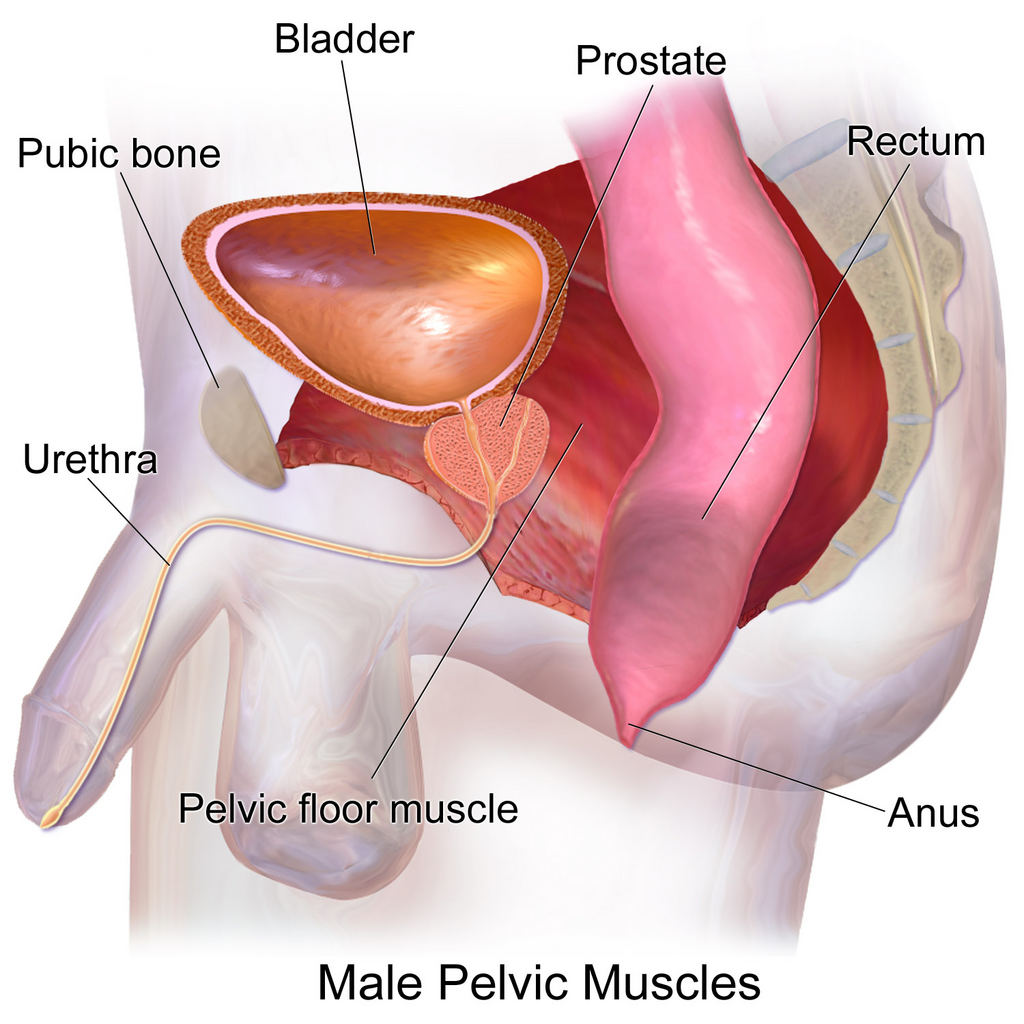
During ejaculation, specific pelvic floor muscles, like the bulbospongiosus muscle, contract rhythmically and forcefully. This is the part of the process you can actually feel. These contractions are responsible for the pulsatile expulsion of semen from the urethra. The strength and coordination of these muscles can influence the force of ejaculation.
Just like any other muscle, the pelvic floor can be strengthened. Strong, well-coordinated pelvic floor muscles contribute to better control over the ejaculatory reflex. This muscular action is the final, mechanical step in a process that begins with intricate signaling in the brain.
Ready to test your knowledge on ejaculatory physiology?
Which neurotransmitter acts as the primary 'go' signal, promoting the ejaculatory reflex?
True or False: Testosterone directly triggers the muscular contractions of ejaculation.