Mastering Effective Teaching
Foundations of Effective Teaching
The Core Principles
Effective teaching isn't about having all the answers. It's about building a bridge between what a student knows and what they are about to learn. The strongest bridges are built on a few core principles that apply no matter the subject or the age of the learners.
Great teaching starts with a clear goal. Before you teach anything, ask yourself: What should my students be able to do with this knowledge?
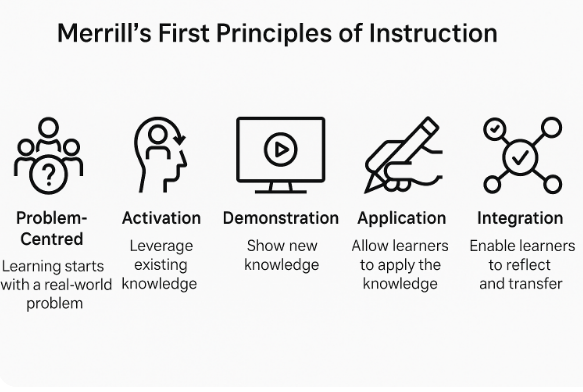
This focus on real-world application is the first pillar. Learning sticks when it's connected to a problem students find meaningful. Second, you must activate their existing knowledge. Everyone comes to a lesson with a mental framework already in place. Your job is to connect the new information to that existing structure. Finally, learning requires doing. Students need to apply what they’ve learned, get feedback, and integrate the new skill into their worldview.
Teaching Styles Matter
Just as there are many ways to build a bridge, there are many ways to teach. Your teaching style shapes the classroom environment and has a direct impact on how students learn. No single style is perfect for every situation, but understanding the options helps you choose the right approach for your goal.
| Style | Description | Impact on Learning |
|---|---|---|
| Authority | The teacher is the expert, delivering knowledge through lectures. | Efficient for facts, but can lead to passive learning and low retention. |
| Facilitator | The teacher guides students as they discover concepts for themselves. | Promotes critical thinking and problem-solving, but can be slower. |
| Delegator | The teacher sets up group projects and activities for students to lead. | Builds collaboration and autonomy, but requires careful management. |
An effective instructor doesn't stick to just one style. They might start a complex topic with a short lecture (Authority style) to provide foundational knowledge, then transition into a group activity (Delegator style) where students apply that knowledge to a specific problem. By blending styles, you can cater to different learning needs and keep students engaged.
Engaging Your Students
Engagement is the engine of learning. When students are actively involved, they process information more deeply and retain it longer. Passive listening is rarely enough. The goal is to move students from being spectators to being participants.
One of the simplest active learning strategies is "Think-Pair-Share." It's a three-step process for turning a passive moment into an active one.
This technique ensures every student thinks about the material and verbalizes their thoughts in a low-pressure setting before potentially speaking to the whole group. Other powerful strategies include using case studies, debates, or simply asking open-ended questions that don't have a single right answer.
Beyond Memorization
The ultimate goal of teaching is not just for students to remember information, but for them to be able to use it. This means fostering critical thinking and ensuring long-term knowledge retention. Critical thinking is the ability to analyze information, evaluate arguments, and create new ideas. It's about moving beyond simply recalling facts.
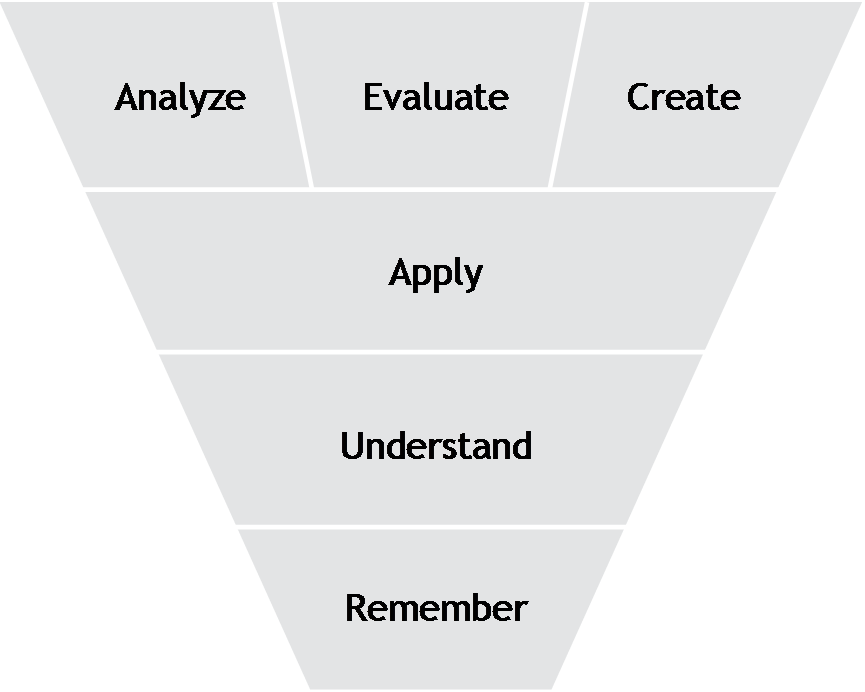
To push students up this pyramid, ask questions that start with "Why?" or "How?" instead of just "What?". Encourage them to compare different viewpoints or design a solution to a problem.
For knowledge to be useful, it also has to be retained. Our brains are wired to forget things they don't use. To combat this, we can use simple techniques grounded in cognitive science.
Retrieval practice: Actively trying to recall information (like with a low-stakes quiz) strengthens memory more than simply re-reading notes. Spaced repetition: Reviewing material at increasing intervals over time is far more effective than cramming it all at once.
By incorporating these small, consistent practices, you help students build durable knowledge that they can access and apply long after the lesson is over.
Ready to check your understanding? Let's see what you've learned about the foundations of effective teaching.
According to the core principles mentioned, which of the following is NOT a foundational pillar for making learning stick?
An instructor starts a coding lesson with a brief lecture (Authority style) on a new concept, then moves to a group activity where students solve a problem together (Delegator style). This approach demonstrates:
These principles form the bedrock of good instruction. By focusing on clear goals, choosing the right teaching style, actively engaging students, and building for retention, you can create powerful and lasting learning experiences.