Mastering Effective Study Techniques
Understanding Learning Principles
How We Learn
Think of your brain as a library. When you encounter new information, it's like a new book arriving. First, you need to get the book into the library and onto a shelf. This is encoding, the process of converting sensory input into a form that can be stored in your memory.
Once the book is on the shelf, it's in storage. Your brain holds onto this information, either for a short time in short-term memory or, ideally, for a long time in long-term memory. But just having the book in the library isn't enough. You need to be able to find it when you need it. That's retrieval, the process of accessing stored information.
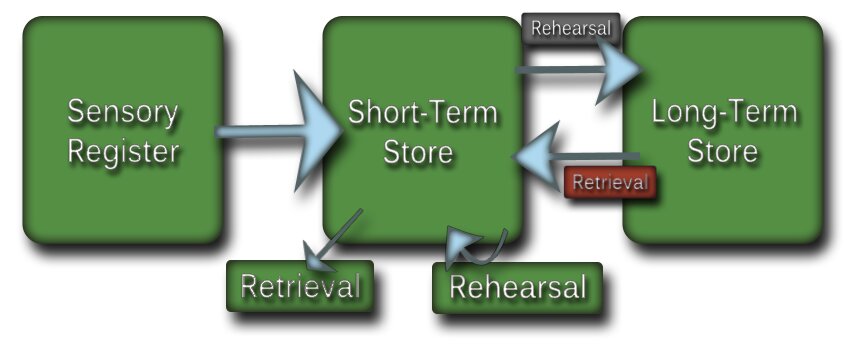
If any of these three stages—encoding, storage, or retrieval—falters, learning breaks down. You might fail to encode the information properly in the first place, or you might store it in a way that makes it difficult to find later. Many common study habits are inefficient because they don't support all three stages effectively.
Spacing Things Out
Imagine trying to learn a month's worth of material in one all-night cram session. It feels productive, but research shows it's one of the least effective ways to learn. This is because our brains learn better when we space out our study sessions over time. This is known as the spacing effect.
When you review information with time gaps in between, you force your brain to work a little harder to retrieve it. Each time you do this, the memory becomes stronger and more durable. Cramming, on the other hand, keeps the information in your short-term memory, but it rarely makes the leap to secure, long-term storage. It's like quickly stacking books in a pile by the door instead of properly cataloging them and placing them on the right shelves.
Studying in shorter, spaced-out sessions is far more effective for long-term retention than one long cramming session.
The Power of Retrieval
What's the best way to move information from short-term to long-term memory? Many people think it's rereading notes or highlighting textbooks. While these can be helpful, a far more powerful method is actively trying to recall the information without looking at the source material. This is called the testing effect, or retrieval practice.
Learning happens when you struggle to retrieve information from memory
Each time you pull a memory out of storage, you strengthen the neural pathways to it, making it easier to retrieve in the future. It’s like clearing a path to the book in the library. The more you use the path, the clearer it becomes. This is why practicing with flashcards or answering questions at the end of a chapter is so effective. The act of remembering is a powerful learning tool in itself.
Getting Actively Involved
Learning is not a spectator sport. The final core principle is the importance of active engagement. Passively listening to a lecture or reading a book can give you a false sense of familiarity with the material. You recognize the concepts, so you think you know them. But recognition is not the same as understanding.
Active learning involves doing something with the material. This could mean summarizing a chapter in your own words, explaining a concept to a friend, or trying to solve a problem before looking at the solution. When you actively engage with information, you process it more deeply, creating more connections and stronger memories. You're not just putting the book on the shelf; you're reading it, making notes in the margins, and understanding how it relates to the other books in your library.
Now, let's test your understanding of these core learning principles.
When you try to recall a fact you learned last week, which of the three main stages of memory are you primarily using?
To prepare for a final exam that is a month away, which study strategy is most effective according to the spacing effect?
Understanding these principles is the first step toward building better study habits. By aligning your methods with how your brain actually works, you can learn more effectively and remember it for longer.