Mastering Effective Communication
Introduction to Communication
What Is Communication?
Communication is the process of sharing information, ideas, and feelings. It's how we connect with others, whether we're explaining a concept, telling a story, or just saying hello. It’s a fundamental skill that helps us build relationships, collaborate on projects, and navigate our daily lives.
Think of it as building a bridge. One person has an idea on one side of a river, and they want to get it to another person on the other side. Communication is the bridge that allows the idea to travel across. If the bridge is strong and clear, the idea arrives intact. If the bridge is weak or broken, the idea might get lost or distorted along the way.
The Communication Process
For communication to happen, several key elements need to work together. It’s not just about speaking or writing; it’s a dynamic cycle. Let's break down this process into its core components.
Here’s what each part means:
- Sender: The person who starts the process by having an idea and wanting to share it.
- Message: The actual information, idea, or feeling the sender wants to convey. The sender encodes this, meaning they turn their thought into words, gestures, or another form.
- Channel: The medium used to send the message. This could be face-to-face conversation, a phone call, an email, or even a text message.
- Receiver: The person who gets the message. They decode it, which means they interpret its meaning.
- Feedback: The receiver’s response to the message. It can be verbal (“I understand”) or nonverbal (a nod). Feedback lets the sender know if the message was received and understood correctly.
- Context: The situation or environment where the communication takes place. Talking to your boss in a formal meeting is a different context than chatting with a friend at a coffee shop.
- Noise: Anything that interferes with the message. This could be literal noise, like a loud truck driving by, or something more abstract, like a poor internet connection or confusing language.
Types of Communication
We communicate in two primary ways: with words and without them.
Verbal communication is the use of words to share information. This can be spoken, like a conversation or a speech, or written, like an email or a report. It's the most direct way we express our thoughts.
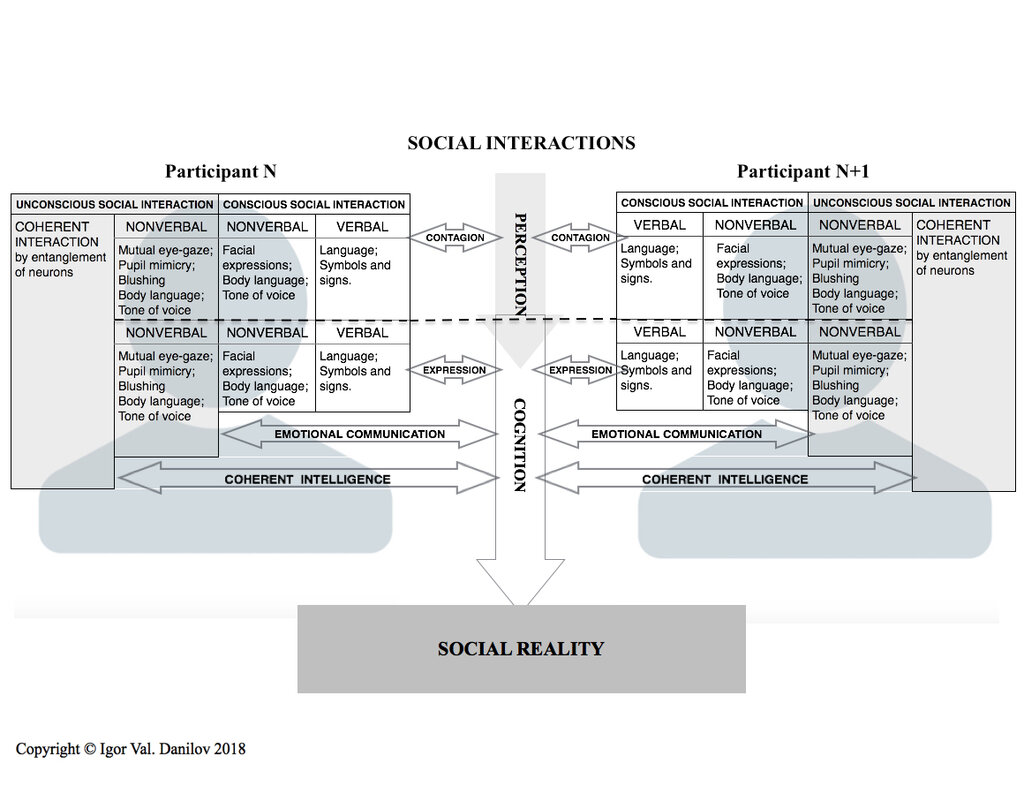
Then there’s non-verbal communication. This includes all the ways we send messages without words. Think of body language, facial expressions, and tone of voice. A smile, a frown, or a shrug can often say more than words can. Your tone can change the meaning of a sentence entirely—saying "Great job" sincerely is very different from saying it sarcastically.
Barriers to Communication
Sometimes, our messages don't land the way we intend. When communication breaks down, it's often due to barriers that get in the way. These are roadblocks on our communication bridge.
Here are some common barriers:
- Physical Barriers: These are environmental factors. A noisy room, a bad phone connection, or even physical distance can make it hard to communicate effectively.
- Emotional Barriers: Strong emotions like anger, sadness, or anxiety can cloud our judgment and affect how we send and receive messages. If you're upset, you might not be able to listen clearly or express yourself calmly.
- Language Barriers: This happens when people speak different languages, but it can also occur when someone uses jargon or technical terms that the other person doesn't understand. Using overly complex words can be just as confusing as speaking a foreign language.
- Perceptual Barriers: We all see the world differently based on our experiences, values, and beliefs. These differences can lead to misunderstandings because we might interpret the same message in completely different ways.
Recognizing these barriers is the first step to overcoming them. Effective communication isn't just about what you say, but also about creating a clear path for your message to be heard and understood.
Let's check your understanding of these fundamental concepts.
In the communication process, what is the term for turning thoughts into a message, such as choosing specific words or gestures?
A manager is holding a performance review in their office, which is a very different setting from chatting with the same employee in the breakroom. This difference in setting is known as:
By understanding the process, types, and potential barriers of communication, you have a solid foundation for becoming a more effective communicator in all aspects of your life.