Mastering Educational Technology Degrees
Introduction to Educational Technology
What Is Educational Technology?
Educational technology, often called EdTech, is more than just using computers in the classroom. It's the thoughtful process of using technology to improve learning. This field combines education theory with technology to design, develop, and manage learning experiences. It's not about chasing the newest gadget; it's about finding the right tool for the right learning goal.
The core idea is to facilitate learning and improve performance by creating, using, and managing appropriate technological processes and resources.
The scope is broad. It covers everything from how a teacher uses an interactive whiteboard to how a university designs an entirely online degree program. It involves creating digital content, building learning platforms, and studying how students interact with these tools. At its heart, EdTech is about solving educational challenges through technology.
A Quick Trip Through Time
The idea of using technology in education isn't new. Long before computers, teachers used tools to help students learn. Think of the abacus for math, or maps for geography. Even the chalkboard, introduced in the early 19th century, was a revolutionary piece of educational technology. It allowed teachers to share information with an entire class at once.
The 20th century brought radio broadcasts for distance learning and film projectors into the classroom. The invention of the personal computer in the 1980s was a major turning point, introducing drill-and-practice software and word processors to schools. Finally, the rise of the internet in the late 1990s and early 2000s changed everything, paving the way for online courses, digital libraries, and collaborative projects that connect students across the globe.
Technology's Role in Learning
How does technology actually change teaching and learning? It can transform a passive classroom into an active, engaging environment. Instead of just listening to a lecture, students can explore interactive simulations, watch educational videos, or use apps to practice new skills at their own pace.
This leads to more personalized learning. Technology can adapt to a student's individual needs, offering extra help on difficult topics or providing advanced material for those who are ready. It gives teachers powerful tools to track student progress and identify areas where someone might be struggling.
Effective technology integration in the classroom allows teachers to deliver interactive lessons, personalise learning, and provide students with engaging, flexible, and collaborative learning experiences.
Technology also breaks down the walls of the classroom. Students can access a world of information online, connect with experts through video calls, and collaborate on projects with peers in other cities or countries. This prepares them for a world where digital literacy and communication are essential skills.
Today's EdTech Trends
The field of educational technology is always evolving. A few key trends are shaping the future of learning today.
Artificial Intelligence (AI): AI is being used to create personalized learning paths for students and to automate tasks for teachers, like grading. AI-powered tools can provide instant feedback and act as virtual tutors.
Gamification: This involves using game-like elements—such as points, badges, and leaderboards—in non-game contexts to make learning more motivating and fun. When students are engaged, they're more likely to persist through challenges.
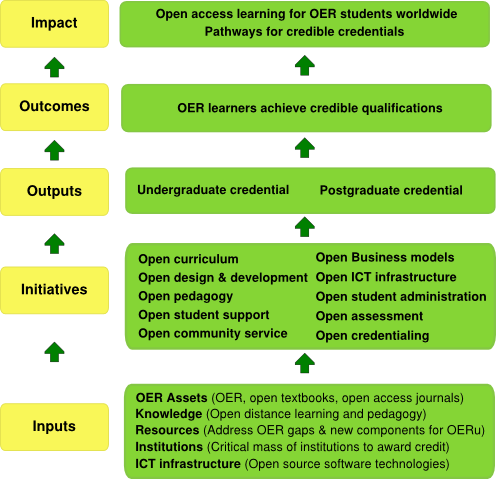
Open Educational Resources (OER): These are freely accessible, openly licensed teaching and learning materials. OER includes everything from online textbooks to video lectures, making high-quality education more affordable and accessible to everyone.
Mobile Learning: With the widespread use of smartphones and tablets, learning can happen anytime, anywhere. Educational apps and mobile-friendly websites allow for on-the-go studying and flexible learning schedules.
These trends highlight a shift towards more flexible, personalized, and accessible education. As technology continues to advance, it will keep opening up new possibilities for how we teach and learn.
What is the primary goal of educational technology (EdTech)?
Which of the following is an example of an early form of educational technology that existed long before personal computers?