Mastering Educational Planning Processes
Needs Assessment
Starting With 'Why'
Before you can build a great educational program, you need a blueprint. Just like an architect wouldn't design a house without knowing who will live in it, curriculum planners can't create effective learning experiences without first understanding the landscape. This crucial first step is called a needs assessment.
A needs assessment is a systematic process for figuring out what's missing. It’s about identifying the gap between the current situation and the desired outcome. It answers the fundamental question: What do our learners actually need?
The first and perhaps most critical step in planning a community outreach program is conducting a thorough need assessment.
Without this step, you're just guessing. You might build a brilliant program that solves the wrong problem or serves no one. A thorough needs assessment ensures your efforts are targeted, relevant, and have the best chance of success.
Finding the Gaps
The core of a needs assessment is identifying educational gaps. A gap is the space between what learners currently know or can do, and what they should know or be able to do. These gaps can relate to knowledge, skills, or even attitudes.
For example, a school district might find that while their high school students excel in literature, they consistently score poorly on standardized math tests. That's a knowledge gap. Or, a company might realize its new managers are great at technical tasks but struggle with leading teams. That's a skills gap.
Identifying these gaps requires looking at data. Test scores, graduation rates, job placement statistics, and performance reviews are all valuable sources of information. The goal is to move from a vague feeling that something is wrong to a specific, measurable problem that can be solved.
Hearing Every Voice
Once you know you're looking for gaps, you need to know who to ask. A common mistake is to only listen to one or two groups, like teachers or administrators. A true needs assessment involves a stakeholder analysis to identify everyone who has a vested interest in the educational outcome.
Stakeholders are any individuals or groups affected by the program. This includes the obvious participants, like students and teachers, but also extends outward to parents, school boards, community leaders, and even local employers who will eventually hire the graduates. Each group brings a unique and valuable perspective.
For instance, a local tech company might be able to tell a high school that they have a desperate need for programmers, but they find that recent graduates lack basic coding skills. That's critical information the school might not have otherwise.
Mapping out your stakeholders and their interests is a key part of the planning process. It helps ensure the final program is well-rounded and has broad support.
| Stakeholder Group | Why They're Important | What to Ask Them |
|---|---|---|
| Students | They are the primary audience of the education. | What do you find difficult? What skills do you want to learn? |
| Teachers | They are on the front lines of instruction. | Where do students struggle most? What resources do you need? |
| Parents | They have a long-term view of a child's success. | Are your children prepared for the next step? |
| Local Employers | They depend on a skilled workforce from the system. | What skills are missing in the candidates you see? |
| Policymakers | They set the broader goals and regulations. | How does this align with state or national standards? |
Gathering the Data
After identifying your stakeholders, you need to choose the right methods to collect information from them. There is no one-size-fits-all approach; the best strategy often involves a mix of methods to get a complete picture.
Quantitative methods give you numbers. They answer questions of "how many" or "how much." These are great for spotting broad trends.
- Surveys: Excellent for quickly gathering data from a large number of people. You can ask students to rate their confidence in certain subjects or ask employers to rank the importance of different skills.
- Analyzing Existing Data: Using information that's already been collected, like test scores, attendance records, or census data, can reveal patterns and gaps.
Qualitative methods give you stories and context. They answer questions of "why" and "how." These are crucial for understanding the human experience behind the numbers.
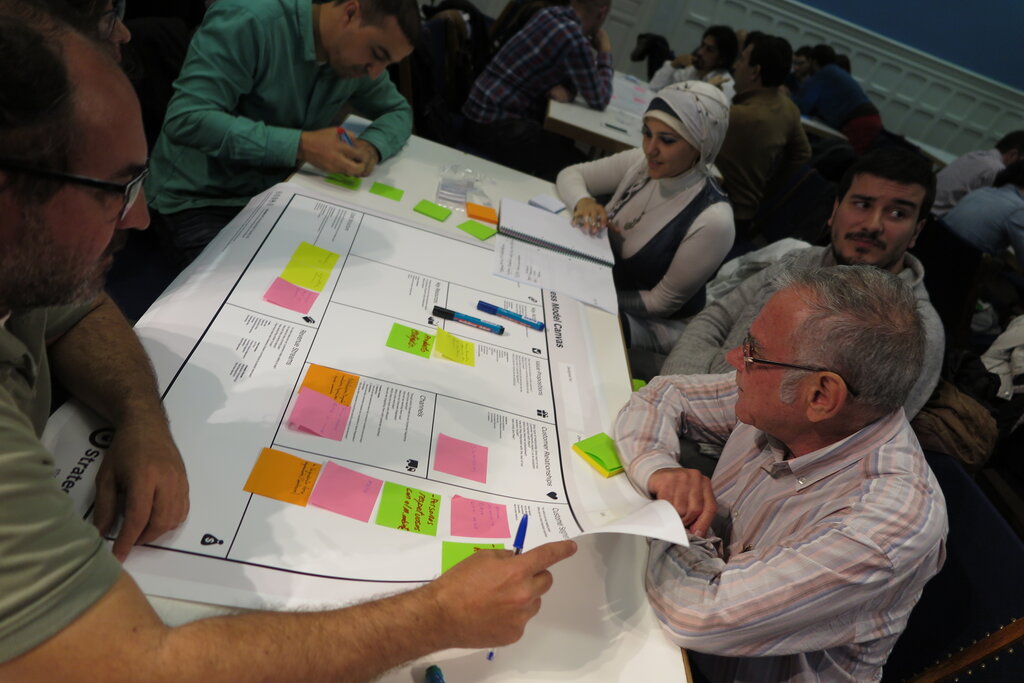
- Interviews: One-on-one conversations allow for deep dives into individual experiences. An interview with a teacher can reveal the day-to-day challenges that a survey would miss.
- Focus Groups: Bringing a small group of stakeholders together (like parents or students) can spark a dynamic conversation and reveal shared concerns or ideas.
- Observations: Sometimes the best way to understand a need is to see it firsthand. Observing a classroom or a workplace can provide insights that people might not think to mention in an interview.
A good needs assessment often starts with quantitative data to identify potential problem areas and then uses qualitative data to explore those areas more deeply.
Finally, the assessment must also look outward, analyzing societal demands and future trends. Education doesn't happen in a vacuum. It must prepare learners for the world they will enter. This means looking at labor market projections, technological advancements, and broader economic and social shifts. Are we teaching skills for jobs that will be automated in ten years? Are we preparing students for a global, interconnected economy?
Answering these questions ensures that the educational plan is not just relevant today, but also forward-looking.
Ready to test your knowledge? This quiz will cover the key ideas we've just discussed.
What is the primary purpose of a needs assessment in curriculum planning?
A technology company observes that its junior engineers are experts in coding but have difficulty presenting their work to non-technical stakeholders. This represents a...
By starting with a comprehensive needs assessment, you lay a solid foundation. You ensure that the goals you eventually set and the strategies you develop are grounded in real, identified needs, making the entire educational plan more effective and impactful.