Mastering Easy SEO Strategies
Introduction to SEO
What is SEO?
Search Engine Optimization, or SEO, is the process of improving your website to increase its visibility when people search for products or services related to your business in Google, Bing, and other search engines. The better your visibility, the more likely you are to attract new and existing customers to your business.
Think of it like setting up a shop. You could have the best products in the world, but if your shop is on a hidden side street, no one will find it. SEO is like putting your shop on the busiest street in town. It helps search engines find, understand, and show your content to the right people.
The key goal of SEO is to get more 'organic' traffic, which means visitors who find your site through a search engine, not through paid ads.
How Search Engines Evolved
In the early days of the internet, search engines were like simple librarians. They relied on directories curated by humans or basic keyword matching. If you wanted your site about vintage cars to rank, you just stuffed the phrase "vintage cars" all over your page. It was a bit of a clumsy system.
Then came a major shift with engines like Google. They developed complex algorithms that could crawl the web, understand the content on pages, and, most importantly, analyze the links between pages to judge authority and relevance. A link from a respected car museum's website to your page became a powerful vote of confidence.
This evolution continues today. Search engines are constantly getting smarter, using artificial intelligence to understand not just the words you type, but the intent behind them. This means SEO is no longer about tricking a system; it's about providing the best possible answer to a user's question.
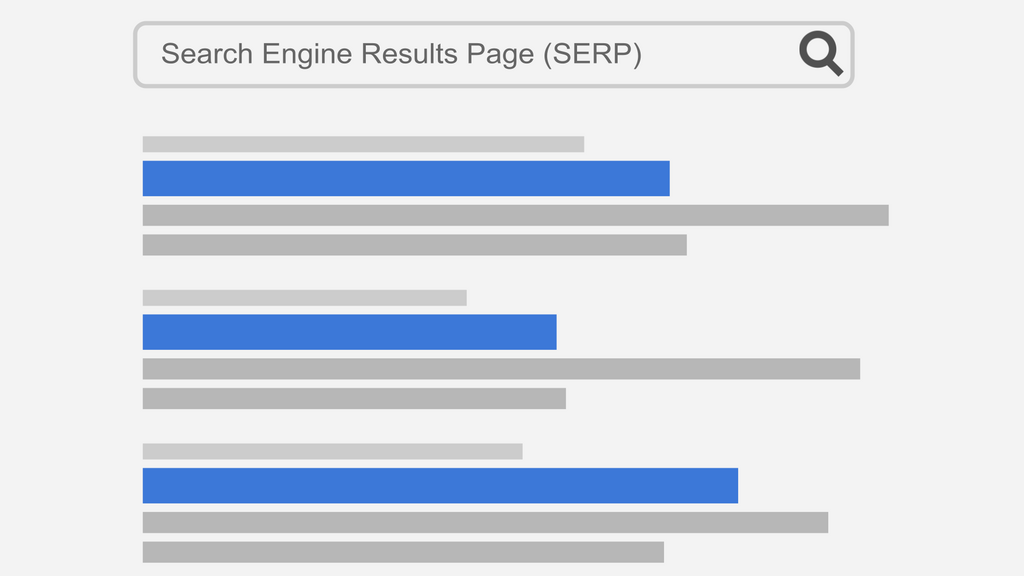
The Two Sides of SEO
SEO strategy is generally divided into two main categories: on-page SEO and off-page SEO.
On-page SEO refers to everything you do on your website to improve its ranking. This includes:
- Content: Creating high-quality, relevant, and engaging content that answers the searcher's query.
- Keywords: Researching and using the terms people are searching for in your content and headings.
- HTML: Using proper title tags, meta descriptions, and headers to help search engines understand your page's structure and topic.
Off-page SEO covers all the actions taken outside of your own website to impact its rankings. The most important factor here is building backlinks. A backlink is a link from another website to yours. Think of each backlink as a vote of confidence, telling search engines that others vouch for your content.
There's also a third category, Technical SEO, which deals with the backend of your website. This includes things like site speed, mobile-friendliness, and making sure search engines can easily crawl and index your site. While it sounds complex, it's all about making sure there are no technical barriers between your great content and the search engines trying to find it.
SEO's Role in Digital Marketing
SEO isn't a standalone activity; it's a critical part of a broader digital marketing strategy. While social media and paid advertising can drive immediate traffic, SEO is about building a sustainable, long-term asset.
When people actively search for something, they have a specific need. By appearing at the top of the search results, your business can meet that need at the exact moment it arises. This makes organic traffic from SEO highly valuable. It builds trust and brand authority in a way that paid ads often can't.
The best way to ensure continued growth and organic traffic is by investing in SEO strategies.
Unlike paid search ads, where you pay for every click, traffic from organic search is essentially free. Of course, it requires an investment of time and resources to create quality content and build links, but the results can last for years.
| Feature | Organic Search (SEO) | Paid Search (SEM) |
|---|---|---|
| Cost | Free (requires time/effort) | Pay-per-click (PPC) |
| Time to See Results | Slower (weeks to months) | Immediate |
| Long-Term Value | High and sustainable | Stops when you stop paying |
| User Trust | Generally higher | Often seen as advertising |
Now that you have a grasp of the fundamentals, let's test your knowledge.
What is the primary goal of Search Engine Optimization (SEO)?
Building backlinks from other websites to your own is a core component of which SEO category?
Understanding these core concepts is the first step toward building a successful online presence. By focusing on creating a great user experience and providing valuable content, you're already on the right path with SEO.