Mastering E-Learning Instructional Design
Instructional Architecture Mapping
The Architect's Blueprint
Before a single word of content is written or a graphic is designed, an e-learning course begins with a blueprint. This isn't just a list of topics; it's an instructional architecture. Think of it as the strategic plan for a learner's journey, mapping out the most efficient and effective path from novice to proficient.
This architectural map ensures that every element serves a purpose. It prevents random, disconnected lessons and instead creates a cohesive experience where each piece builds logically on the last. The goal is to design the flow of information first, identifying critical touchpoints where a specific activity or interaction is needed to lock in knowledge.
Start with structure before content:Define clear learning objectives (what students will achieve)Map topic progression from foundational to advancedCreate logical categories and subtopicsPlan where assessments and practice belongUse AI-powered course builders to generate topic hierarchies automatically. Review and refine the structure before adding content.
Begin with the End in Mind
The most effective way to build this blueprint is through Backward Design. Instead of starting with interesting activities or content you want to include, you start at the finish line. What, specifically, must the learner be able to do when they complete the course? This approach anchors the entire design process to a tangible performance outcome.
| Stage | Key Question |
|---|---|
| 1. Identify Results | What should learners be able to do at the end? |
| 2. Determine Evidence | How will learners demonstrate they can do it? |
| 3. Plan Experiences | What activities and content will get them there? |
By defining the final assessment or performance task first (Stage 2), you create a clear target. Every piece of content and every activity (Stage 3) must then directly contribute to preparing the learner for that specific demonstration of skill. Anything that doesn't is just noise.
Mapping the Information Flow
With your outcomes defined, you can map the information hierarchy. This is where you break down the high-level objective into smaller, manageable pieces. A typical e-learning hierarchy moves from broad to specific: Modules contain lessons, and lessons contain individual screens or interactions.
This structured breakdown does more than just organize content; it allows you to intentionally manage . You can pinpoint exactly where new, complex concepts are introduced and plan accordingly. Is a particular lesson heavy on new terminology? That signals a need for a glossary, a simple matching game, or more repetition. Is a screen introducing a multi-step process? That's a prime spot for an interactive simulation or a step-by-step walkthrough.
By mapping cognitive load, you shift from what to teach to how to teach it most effectively at each specific point in the journey.
Scoping and Flow
The final architectural step is curriculum scoping. Your map helps you define clear boundaries. What's essential for achieving the performance outcome? What's interesting but tangential? This process prevents "scope creep," where extra content is added until the course becomes bloated and unfocused.
Once scoped, a structural flowchart visualizes the learner's path. Unlike the hierarchy map, this chart shows the sequence and logic. It includes decision points, branching scenarios, and feedback loops. For example: "After Lesson 2, the learner takes a quiz. If they pass, they proceed to Lesson 3. If they fail, they are routed to a remedial activity."
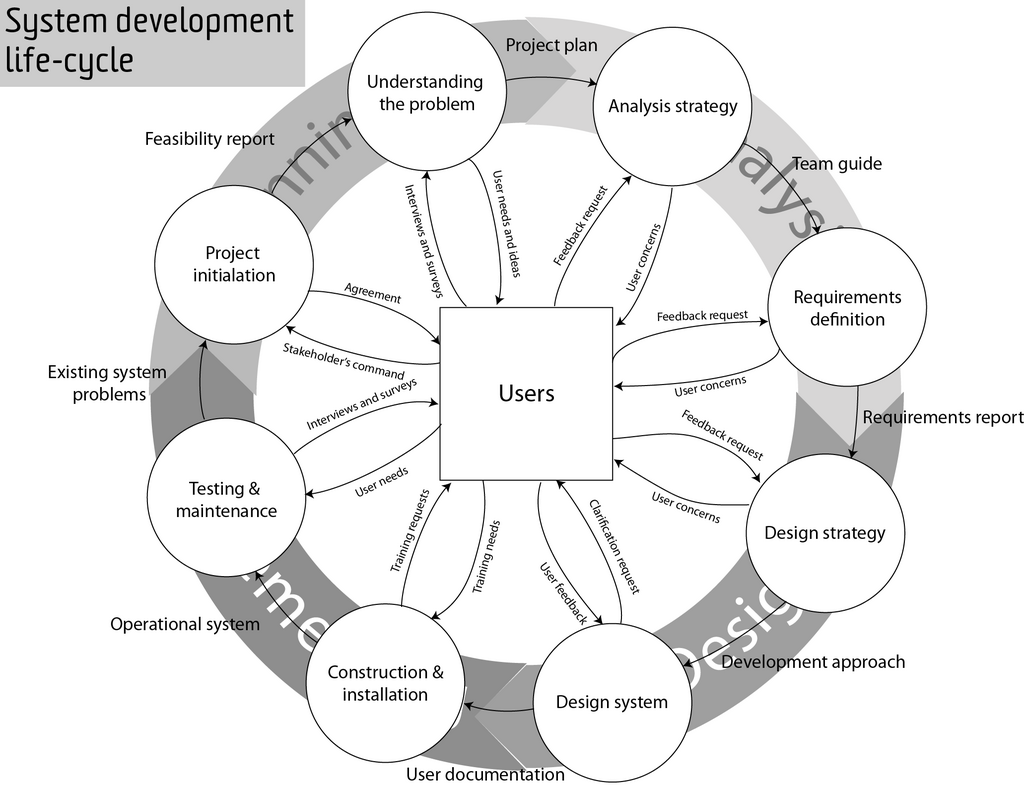
This architectural blueprint, combining backward design, hierarchy maps, and flowcharts, is the most critical phase of e-learning development. It ensures you build a course that is not just a collection of information, but a carefully engineered experience that reliably produces competent and confident learners.
According to the principles of Backward Design, what is the very first step in creating an e-learning course blueprint?
What is the primary function of an information hierarchy (Modules > Lessons > Screens) in e-learning design?
This structured approach transforms course creation from an art into a science, ensuring every component has a clear purpose tied to a final, measurable goal.