Mastering Dynamic Communication
Advanced Active Listening
Listening for What Isn't Said
You already know that listening isn't just waiting for your turn to talk. In high-stakes situations, from a tense negotiation to a difficult family conversation, what's left unsaid is often more important than the words themselves. Advanced active listening is the art of tuning into these hidden channels of communication. It's about moving beyond the surface-level facts to understand the underlying emotions, intentions, and needs that drive a conversation.
This requires a shift in mindset. Instead of just receiving information, you become a detective, looking for clues in subtle shifts of tone, fleeting facial expressions, and even the deliberate use of silence. It's in these nuances that you'll find the keys to de-escalating tension and building genuine rapport, especially when the other person is defensive.
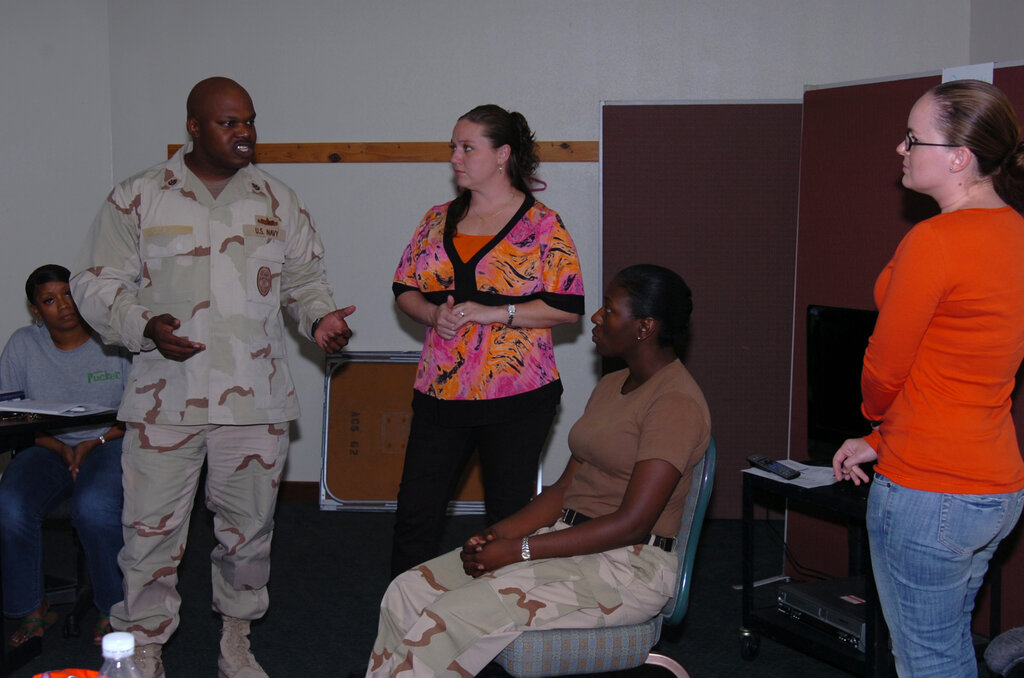
A powerful framework for this is the concept of Tactical Empathy, a term popularized by former FBI hostage negotiator Chris Voss. It’s not about agreeing with the other person or even liking them. It's about understanding their perspective and feelings so deeply that you can articulate them back. When someone feels truly heard, their defensiveness drops, and the conversation can move forward productively. This isn't just sympathy; it's a strategic tool for influencing outcomes.
The Four Levels of Listening
To master listening, it helps to understand that it happens on different levels of depth and awareness. Researcher Otto Scharmer's Theory U outlines four distinct levels. Most of us spend our days stuck in the first two, but true connection and problem-solving happen in levels three and four.
| Level | Name | Focus | Outcome |
|---|---|---|---|
| 1 | Downloading | Reconfirming what you already know | Reinforcing old opinions |
| 2 | Factual Listening | Noticing new data and facts | Learning new information |
| 3 | Empathic Listening | Seeing the situation from their eyes | Emotional connection |
| 4 | Generative Listening | Connecting to a shared future possibility | Creating new ideas together |
Moving from factual to empathic listening is the biggest leap. It requires you to silence your own internal monologue and genuinely try to experience the world from the speaker's point of view. You're no longer just hearing their argument; you're feeling their emotional state. Generative listening takes this a step further. It's a creative space where, because both parties feel so deeply understood, new solutions emerge that neither could have conceived of alone.
Decoding Unspoken Signals
People constantly broadcast their true feelings, even when their words are trying to hide them. The two most important channels for these signals are the face and the voice.
micro-expression
noun
A very brief, involuntary facial expression that reveals a true emotion. They often last for only a fraction of a second, making them difficult to spot without training.
A is a crack in the speaker's emotional mask. You might see a flash of anger when they claim to be fine, or a flicker of contempt during a supposedly neutral statement. Spotting these isn't about calling someone a liar. It's about recognising that there's more to the story. It gives you a cue to ask a gentle, open-ended question like, "It seems like there might be more to this. How are you really feeling about the situation?"
Just as important is —the non-verbal elements of communication used to modify meaning and convey emotion. This includes the pitch, tone, and speed of someone's voice. A rising inflection at the end of a statement can signal a question or uncertainty. A sudden drop in volume might indicate sadness or a desire for confidentiality. A faster speaking pace often betrays excitement or anxiety. Pay attention to these vocal shifts; they provide a rich, continuous stream of data about the speaker's internal state.
By tuning into both micro-expressions and paralanguage, you're essentially listening in stereo—one channel for the words, and another for the emotions.
The Power of Silence
In our rush to solve problems and fill conversational voids, we often underestimate the power of strategic silence. When you ask a thoughtful question, don't immediately jump in with a follow-up or a suggestion. Pause. Give the other person space to think and reflect.
This silence can feel uncomfortable, but it serves two purposes. First, it signals that you are genuinely interested in a considered response, not just a quick answer. Second, it often encourages the speaker to elaborate and reveal more than they might have otherwise. People naturally want to fill a void, and if you wait, they will often fill it with valuable information and deeper insights.
Now let's review the key terms from this section.
Ready to test your understanding?
According to the text, what is the primary goal of 'Tactical Empathy' in a conversation?
A colleague tells you they are 'fine' with a new project assignment, but you notice a brief flash of anger on their face as they say it. This fleeting facial expression is an example of what?
By integrating these advanced techniques—moving through the levels of listening, decoding non-verbal cues, and using silence strategically—you can transform your ability to connect, influence, and lead in any situation.