Mastering Dutch Traffic Rules
Introduction to Dutch Traffic Laws
The Dutch Road Network
Driving in the Netherlands is straightforward thanks to a well-organized and meticulously maintained road network. The system is designed for clarity and efficiency, connecting everything from major cities to small villages.
Roads are categorized to help you understand their purpose:
- A-roads (Autosnelwegen): These are the motorways or highways, marked with an 'A' followed by a number (like the A2). They are the backbone of the national network, designed for high-speed, long-distance travel.
- N-roads (Provinciale wegen): These are major roads that are not motorways, often connecting towns and cities within a province. They are marked with an 'N' and a number.
- Local Roads: These are the streets within towns and cities. They don't have special letter designations but are crucial for navigating urban areas.
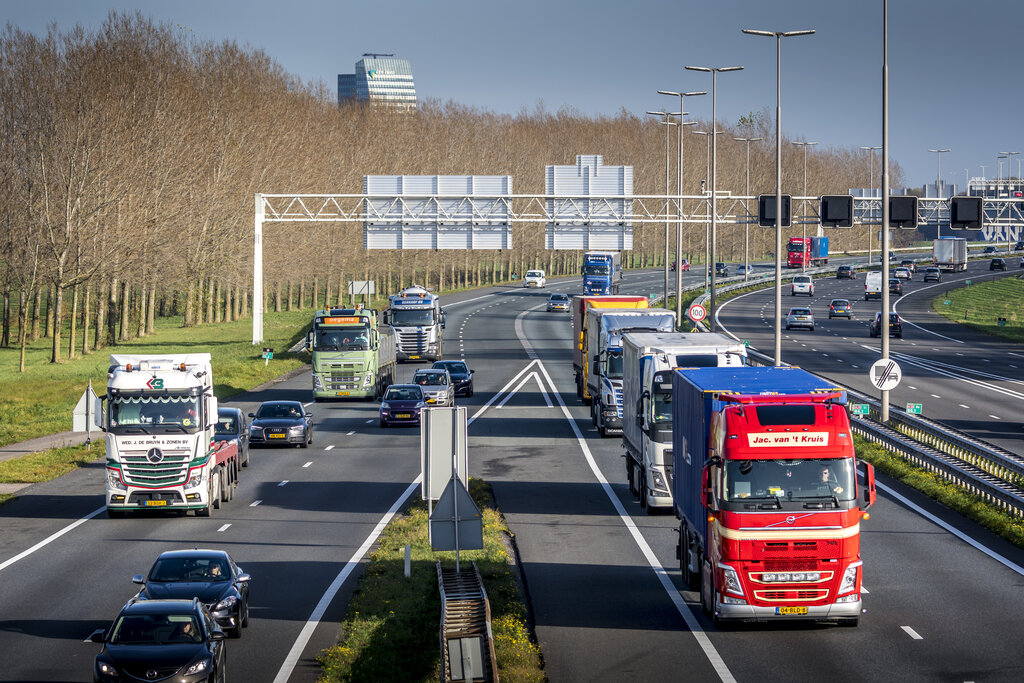
This clear hierarchy makes navigation logical. Whether you're on a multi-lane highway or a quiet country lane, the roads are generally in excellent condition.
Who's in Charge?
Two main organizations oversee driving and vehicles in the Netherlands. Understanding their roles helps you know where to go for different services.
CBR (Centraal Bureau Rijvaardigheidsbewijzen): The Central Bureau for Driving Licenses. This is the body that conducts all driving exams, both theory and practical. If you want to get a Dutch driver's license, you'll be dealing with the CBR.
The CBR ensures that every driver on the road has met a standard level of knowledge and skill, which is a key part of maintaining road safety.
RDW (Rijksdienst voor het Wegverkeer): The Netherlands Vehicle Authority. The RDW handles everything related to the vehicle itself. This includes vehicle registration, issuing license plates, and overseeing the mandatory periodic technical inspection, known as the APK.
Think of it this way: the CBR certifies the driver, and the RDW certifies the car. Both are essential for legal and safe driving.
Fundamental Rules of the Road
Before diving into specific signs and complex rules, there are a few core principles that govern all traffic in the Netherlands. The most important one is simple but non-negotiable.
In the Netherlands, you must always drive on the right-hand side of the road and overtake other vehicles on the left.
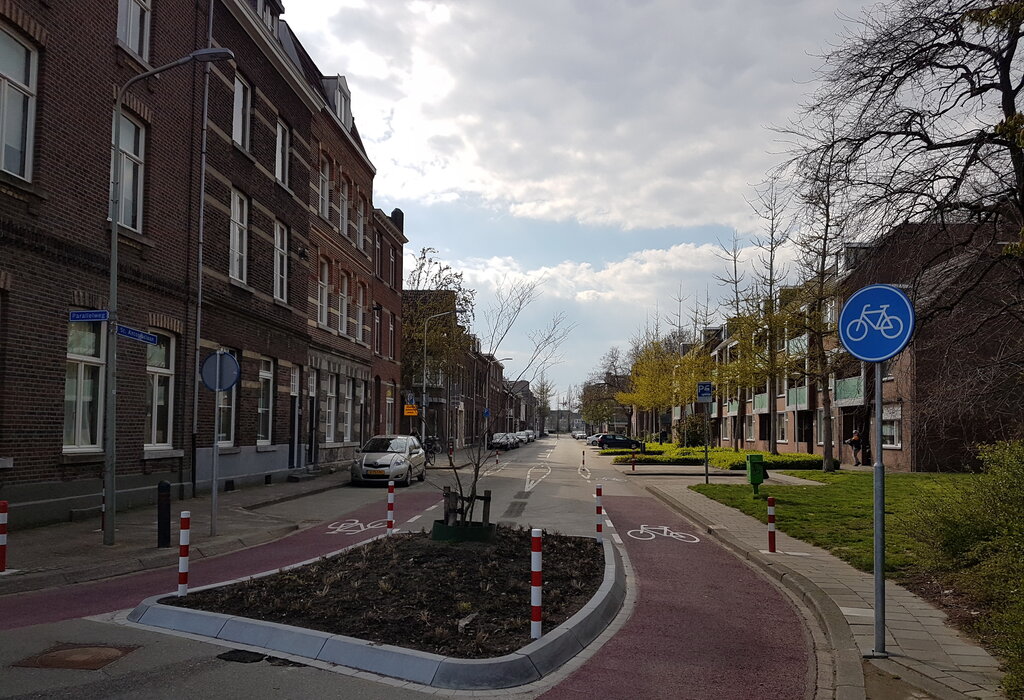
This rule applies everywhere, from the busiest motorways to the narrowest city streets. It's a fundamental aspect of the traffic system that keeps things predictable and safe for everyone. Adhering to this and all other traffic laws is not just about safety; it's also about avoiding steep penalties.
But breaking Dutch traffic rules is an expensive hobby.
Now that you know the basic structure and rules, let's test your understanding.
What is the primary purpose of 'A-roads' (Autosnelwegen) in the Netherlands?
Which organization is responsible for certifying that a driver has the necessary skills and knowledge, while the RDW certifies the vehicle?
Understanding these foundations is the first step toward driving confidently and safely in the Netherlands. In the next sections, we'll build on this knowledge by looking at specific signs, signals, and priority rules.