Mastering Dutch Traffic Law Theory
Introduction to Dutch Traffic Law
The Ground Rules of the Road
Dutch traffic law is more than just a collection of rules; it's a system designed to keep everyone moving safely and efficiently. Think of it as the operating manual for using public roads, whether you're behind the wheel of a car, on a bicycle, or just crossing the street on foot.
The central pillar of this system is the Wegenverkeerswet 1994 (Road Traffic Act 1994). This is the main law that sets out the fundamental principles for road safety and traffic flow in the Netherlands. From this act, more detailed regulations branch out, such as the Reglement verkeersregels en verkeerstekens 1990 (RVV 1990), which specifies the meaning of road signs and traffic rules.
Wegenverkeerswet
noun
The primary Dutch law governing road traffic, establishing the legal basis for all traffic regulations, vehicle requirements, and licensing.
The goals are simple: prevent accidents, ensure traffic moves smoothly, and protect the environment from the negative impacts of traffic. Every rule, from speed limits to parking restrictions, is rooted in these core objectives.
Your Responsibility on the Road
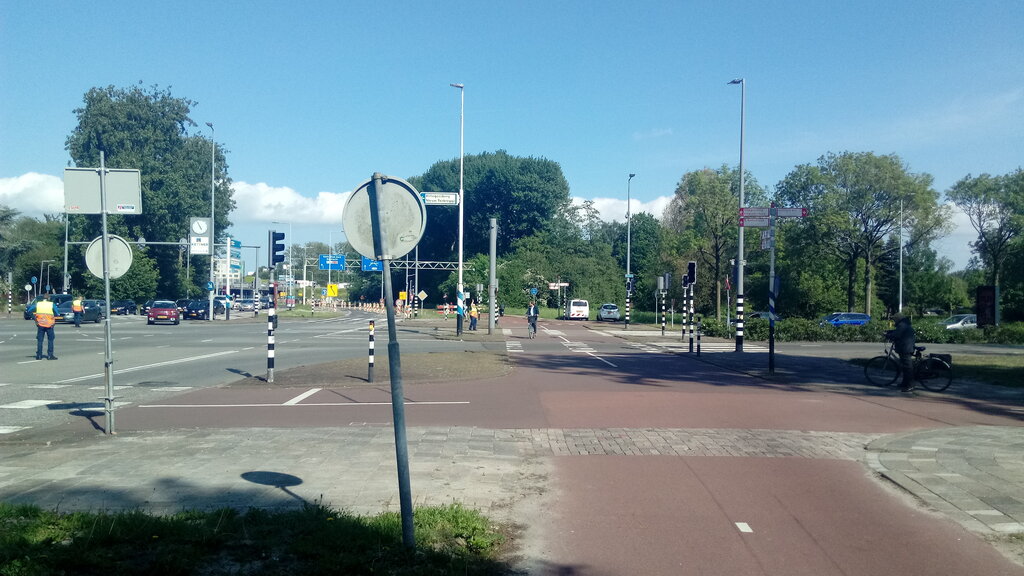
Every person using a public road in the Netherlands is considered a verkeersdeelnemer, or road user. This includes drivers, cyclists, pedestrians, skateboarders, and even people leading cattle. The law places a significant amount of responsibility on the individual.
Beyond knowing specific rules, you are expected to be constantly aware, considerate, and careful. The most fundamental rule in all of Dutch traffic law is often called the 'umbrella' or 'catch-all' article, found in Article 5 of the Wegenverkeerswet.
It is forbidden for anyone to behave in such a way that danger on the road is caused or can be caused, or that traffic on the road is hindered or can be hindered.
This means that even if you're not breaking a specific rule, you can still be found at fault if your behavior is considered dangerous or obstructive. It requires you to anticipate the actions of others and adapt to changing conditions. This principle is the foundation of the theory exam and safe driving in practice.
Who Enforces the Rules?
A few key organizations work together to manage and enforce traffic laws in the Netherlands. Understanding who does what can help you know where to turn for information or assistance.
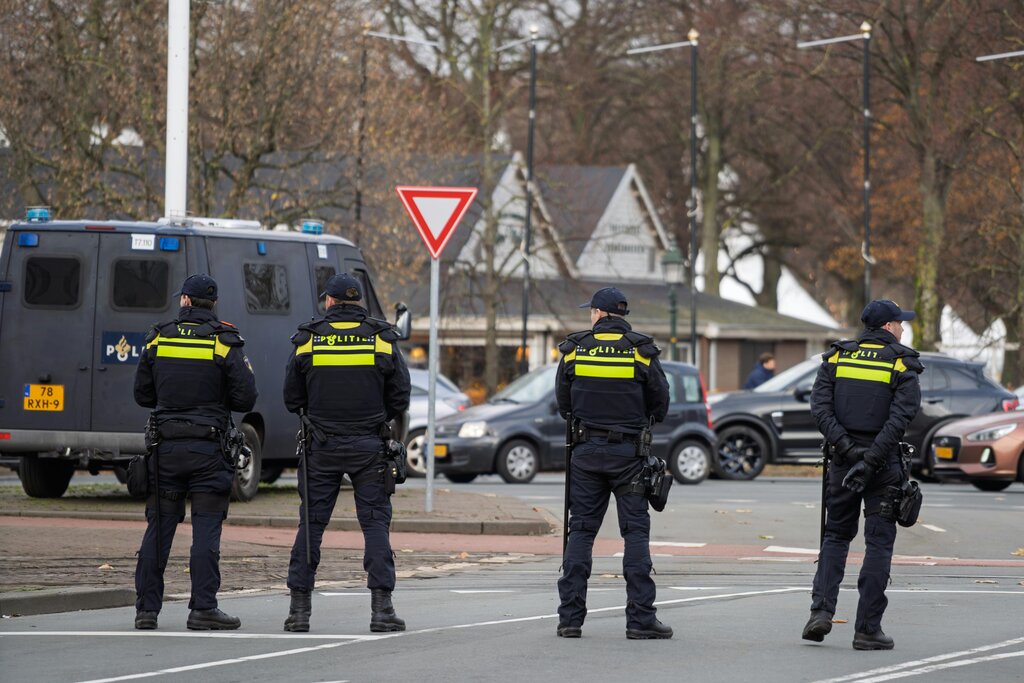
The most visible authority is the Politie (Police). Officers are responsible for day-to-day enforcement, conducting traffic stops, responding to accidents, and issuing fines. They ensure that all road users adhere to the rules.
For the major national highways (rijkswegen), Rijkswaterstaat is in charge. This is the government agency responsible for the design, construction, and maintenance of the national road network. While they don't perform traffic stops, their work in maintaining clear signage, safe road surfaces, and managing traffic flow is essential for upholding the law.
Finally, at the local level, gemeenten (municipalities) manage most of the roads within city and town limits. They decide on local speed limits, parking zones, one-way streets, and the placement of bike lanes. Their plans must align with national laws, but they have the power to tailor the rules to local needs.