Mastering Durable Skills
Introduction to Durable and Transferable Skills
Skills That Last a Lifetime
Think about the skills you use every day. Some, like using a specific software program, might become obsolete in a few years. But others, like the ability to solve a tough problem or communicate a complex idea clearly, will serve you for your entire career. These are called durable skills.
Durable Skills
noun
Core abilities that are timeless and relevant across all industries and job roles. They include cognitive skills, social-emotional intelligence, and personal attributes.
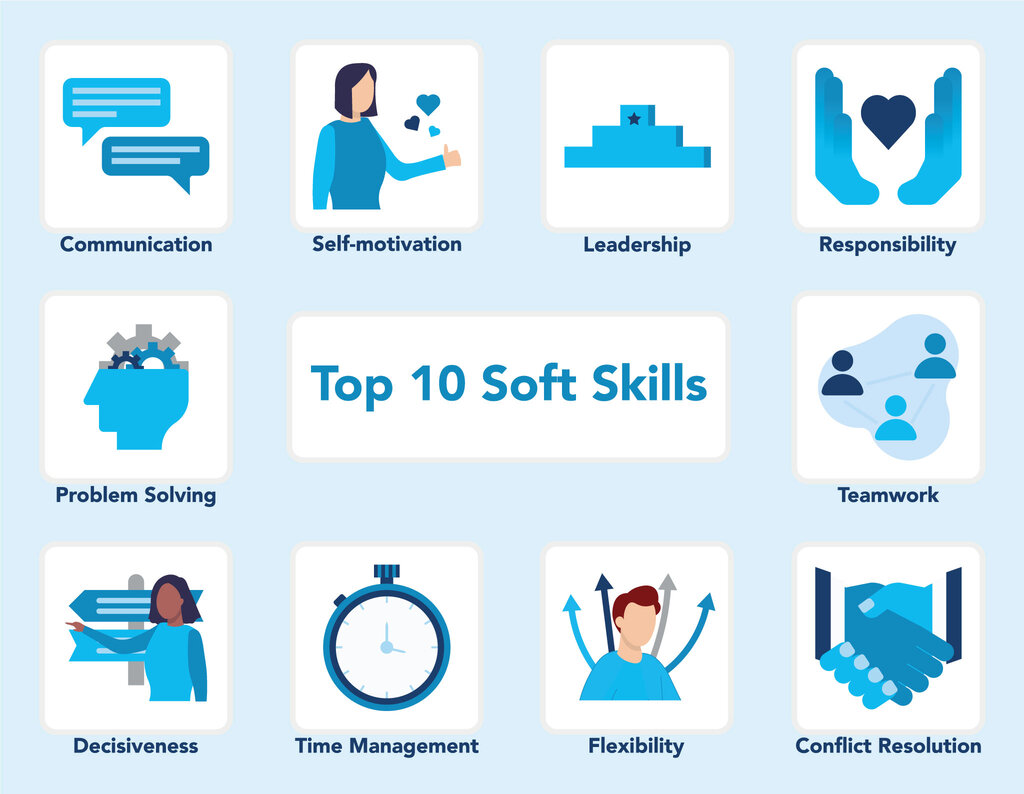
Durable skills are the foundation of professional success. They're the human-centric abilities that machines and AI find difficult to replicate. As technology automates more routine tasks, skills like creativity, collaboration, and leadership become even more valuable. They're not about what you know, but how you think, interact, and adapt.
Skills You Can Take With You
Now let's talk about transferable skills. These are the practical abilities you develop in one role that can be applied in another. They are your portable toolkit of competencies.
Transferable skills are portable competencies, knowledge, and abilities that remain valuable across different roles, industries, and career paths.
Imagine you worked as a barista. You developed excellent customer service skills, learned to manage inventory, and worked efficiently under pressure. If you later decide to work in tech support, those same skills are incredibly useful. Customer service helps you handle user issues, inventory management relates to tracking tickets, and performing well under pressure is always a plus. You've transferred your skills from a coffee shop to an office.
Durable vs. Transferable
What's the real difference between these two types of skills? It comes down to scope and longevity. Durable skills are broad, foundational mindsets and abilities that define how you work. Transferable skills are often more specific competencies you can carry between jobs.
Think of it this way: a durable skill is like being a good listener. It's a fundamental part of how you interact with people. A transferable skill might be the ability to use project management software. You can take that specific skill to many different companies and projects.
All durable skills are transferable, but not all transferable skills are durable. Your expertise in a niche software is transferable for as long as that software is relevant, but it's not a timeless, durable skill like adaptability.
| Feature | Durable Skills | Transferable Skills |
|---|---|---|
| Lifespan | Lifelong and timeless | Varies; can become obsolete |
| Scope | Broad, foundational mindsets | Can be broad or specific tasks |
| Focus | How you think and interact | What you can do and apply |
| Example | Adaptability, Critical Thinking | Budgeting, Data Analysis, SEO |
Understanding both is key to building a resilient career. Durable skills make you a valuable long-term asset, while a strong set of transferable skills makes you a versatile candidate for a wide range of opportunities.
Which of the following best describes a durable skill?
A barista masters latte art, inventory management, and customer service. When they switch to a career in tech support, which of these is best described as a transferable skill?