Mastering Dubai Mortgages for Real Estate Professionals
Dubai Mortgage Market Overview
The Dubai Mortgage Landscape
Dubai's mortgage market is a dynamic and competitive space, shaped by a mix of local and international financial institutions. Unlike some markets dominated by specialized lenders, Dubai's landscape is primarily composed of commercial banks. These institutions are the main source of mortgage financing for both residents and international investors.
Within this structure, you'll find two main types of lenders: conventional banks that offer traditional interest-based loans, and Islamic banks that provide financing compliant with Sharia principles. A third key player, the mortgage broker, acts as an intermediary, connecting borrowers with the right lenders and products. This ecosystem creates a diverse range of options for property buyers.
Key Players and Their Roles
Understanding who does what is key to navigating the market. The primary lenders are the commercial banks. These include major local players like Emirates NBD and Dubai Islamic Bank, as well as global banks such as HSBC and Standard Chartered. They directly provide the capital for mortgages.
Islamic banks are particularly important in the region. Instead of charging interest, which is not permitted under Sharia law, they use alternative structures. For example, in a Murabaha transaction, the bank buys the property and sells it to the client at a pre-agreed higher price, with payments made in installments. This allows for property financing that aligns with Islamic principles.
Mortgage brokers are advisors and facilitators. They don't lend money themselves. Instead, they leverage their knowledge of the market and relationships with various banks to find the most suitable mortgage product for a client's specific needs. This is especially helpful for expatriates who may be unfamiliar with the local banking landscape.
In Dubai, mortgages must be registered with the Dubai Land Department (DLD) in line with Law No. 14 of 2008 Concerning Mortgages.
A Tour of Mortgage Products
The products offered in Dubai are similar to those in other international property hubs, but with local nuances. The most common choice is the fixed-rate mortgage. This type of loan has an interest rate that is locked in for an initial period, typically one to five years. This offers predictable monthly payments, which is great for budgeting. After the fixed period ends, the rate typically switches to a variable one.
A variable-rate mortgage, on the other hand, has an interest rate that can change over the life of the loan. It is usually tied to the Emirates Interbank Offered Rate (EIBOR), which is the benchmark rate for the UAE. The bank adds its own margin to the EIBOR rate. While these can sometimes start lower than fixed rates, the payments can rise or fall depending on market conditions.
Beyond these standard options, lenders also offer specialized products. These include mortgages for non-residents, which may have different down payment requirements, and financing for off-plan properties, which are homes purchased directly from a developer before construction is complete.
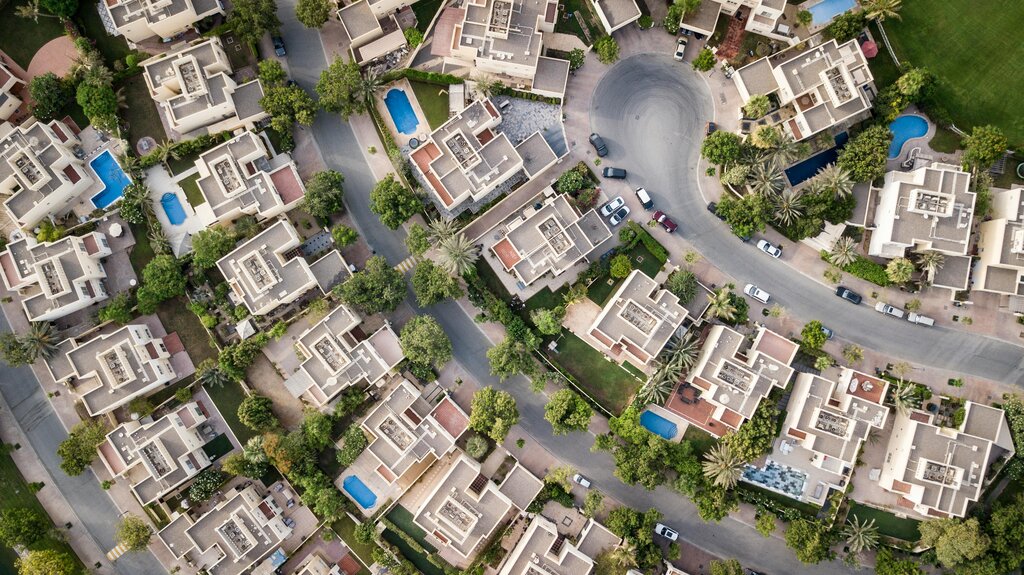
Most borrowers in Dubai opt for a fixed rate for the first 2–3 years, after which the mortgage automatically switches to a variable rate (EIBOR + bank margin).
Current Market Influences
Several trends are currently shaping Dubai's mortgage market. The city's status as a global hub for business and tourism continues to attract a steady stream of expatriates and international investors, fueling demand for property. This demand is met by a highly competitive lending environment, where banks frequently offer promotional rates and waive fees to attract new customers.
Government initiatives also play a significant role. Programs like the UAE's Golden Visa have made long-term residency more accessible, encouraging more people to buy property rather than rent. Furthermore, regulations from the UAE Central Bank, such as Loan-to-Value (LTV) ratio limits, help ensure the market remains stable and avoids excessive risk-taking.
Finally, there's a growing trend towards digitalization. Banks and brokers are increasingly using technology to streamline the application process, making it faster and more convenient for borrowers to secure financing. This focus on digital services is transforming the client experience from start to finish.
What type of institution is the primary source of mortgage financing in Dubai?
In the context of Islamic finance, what best describes a 'Murabaha' transaction for a property?
This overview provides a foundational understanding of the Dubai mortgage market's structure, players, and products. Familiarity with these elements is the first step for any advisor aiming to operate effectively in this vibrant real estate environment.