Mastering Drywall Installation
Drywall Basics
The Unseen Interior Wall
If you look at the walls inside most modern homes, you're looking at drywall. It's the smooth, flat surface that makes up our interior walls and ceilings. But what is it exactly? Drywall is a panel made from gypsum, a soft sulfate mineral, pressed between two sheets of thick paper. It’s also known by other names like wallboard, plasterboard, or the brand name Sheetrock.
Before drywall became popular in the mid-20th century, creating interior walls was a slow, messy process involving lath and plaster. Workers would nail thin wooden strips (lath) to wall studs and then apply multiple coats of wet plaster over them. This took a long time to dry and required skilled labor. Drywall revolutionized construction by offering a faster, easier, and cheaper way to build interior walls.
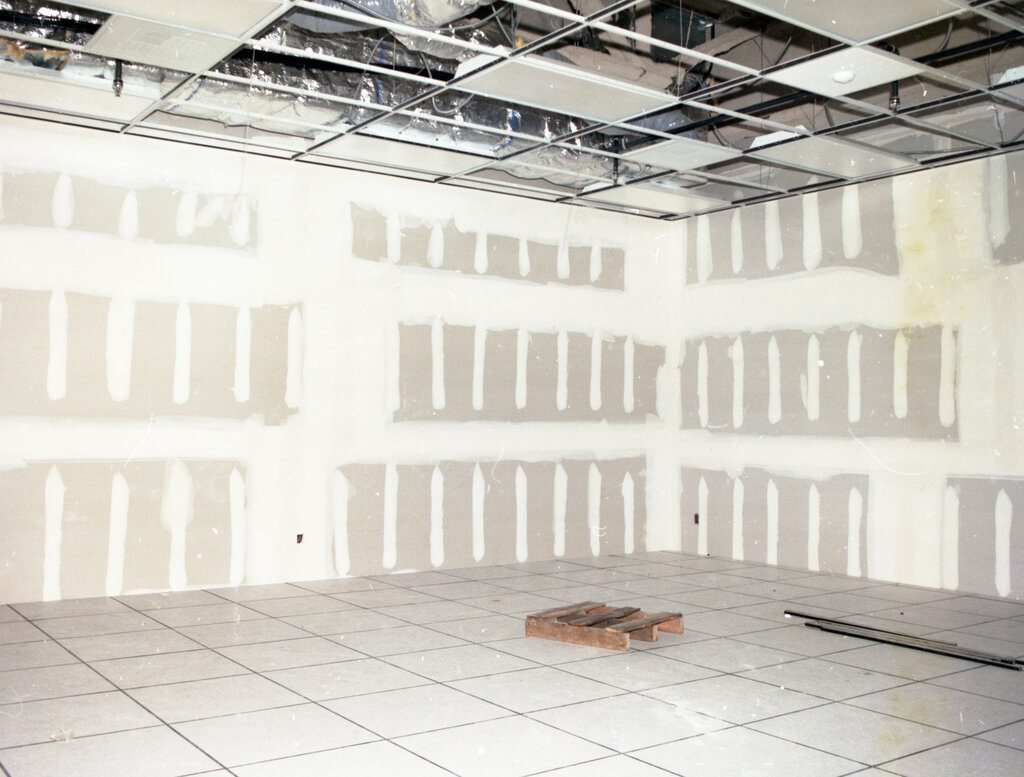
Not All Drywall Is the Same
Just as you wouldn't use the same paint for your bathroom as your bedroom, you wouldn't use the same drywall for every situation. Different types are designed for specific needs, offering protection against moisture, fire, and everyday wear and tear.
| Drywall Type | Key Feature | Common Use |
|---|---|---|
| Standard | Most common and affordable | Living rooms, bedrooms, hallways |
| Moisture-Resistant | Green or purple paper facing | Bathrooms, kitchens, laundry rooms |
| Fire-Resistant | Thicker, with glass fibers | Garages, furnace rooms, multi-family units |
Let’s look at these in a bit more detail.
Standard Drywall is the everyday workhorse. It's the most common and least expensive option, suitable for most areas of a house that don't have special requirements. It typically comes in 4x8-foot sheets and various thicknesses, with 1/2-inch being the standard for residential walls.
Moisture-Resistant Drywall, often called “green board” or “purple board” due to its colored paper facing, is treated to resist moisture. This makes it the go-to choice for rooms with high humidity, like bathrooms, kitchens, and basements. It's important to remember it is resistant, not waterproof. It helps prevent the growth of mold and mildew but shouldn't be used in places that are constantly wet, like inside a shower.
Purple drywall generally offers more robust moisture and mold resistance than green board, making it a premium choice for high-humidity areas.
Fire-Resistant Drywall, known as Type X, is thicker and contains glass fibers mixed into its gypsum core. These fibers help the core hold together longer during a fire, slowing the spread of flames. Building codes often require Type X drywall in specific areas to enhance safety. You'll find it in garages (especially on the wall connecting to the house), furnace rooms, and in apartment or condominium buildings to separate individual units.
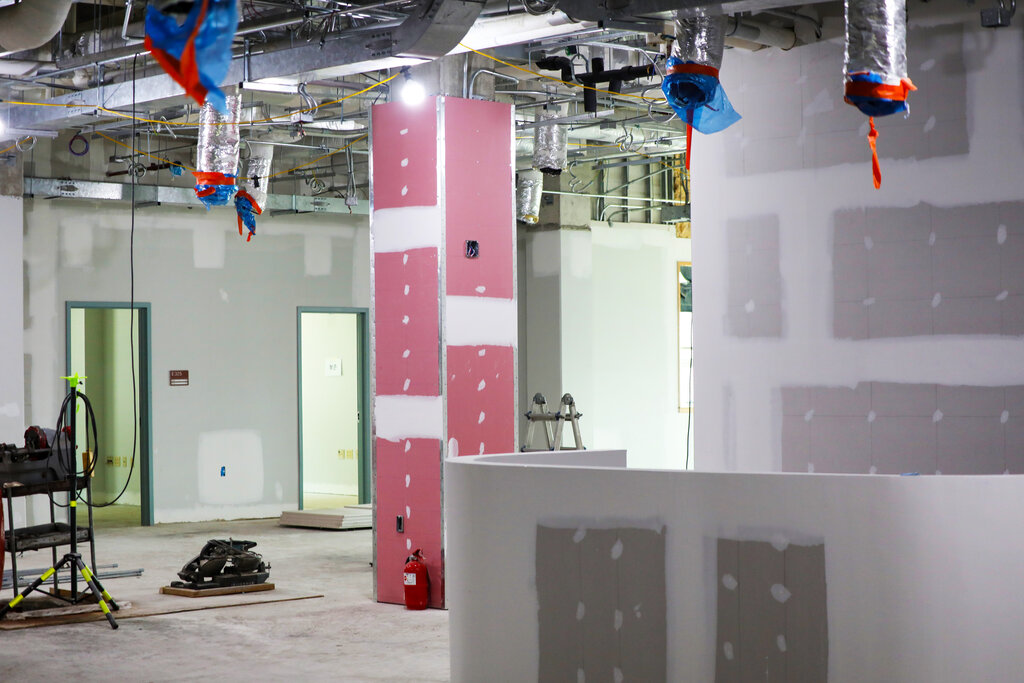
By choosing the right type of drywall for each part of a building, you ensure the walls are not just dividers, but functional components that contribute to the safety and durability of the space.
What is the primary mineral used to make drywall?
Before the widespread adoption of drywall, what was the common method for constructing interior walls?
Understanding these basics is the first step. Next, you'll learn how these panels are installed and finished to create the seamless walls we see every day.