Mastering Drafting Techniques
Introduction to Drafting
Getting Ideas on Paper
Drafting is the process of taking your ideas, research, and outlines and turning them into a first version of a text. It’s the bridge between thinking about what to write and having something written. The main goal isn't to create a perfect final product. It's to get your thoughts down in a structured way.
Think of it like sketching. An artist doesn't start with a finished masterpiece. They begin with rough lines to get the shapes and composition right. A draft is your sketch. It lets you explore ideas, organize your arguments, and see how everything fits together without the pressure of getting every word perfect.
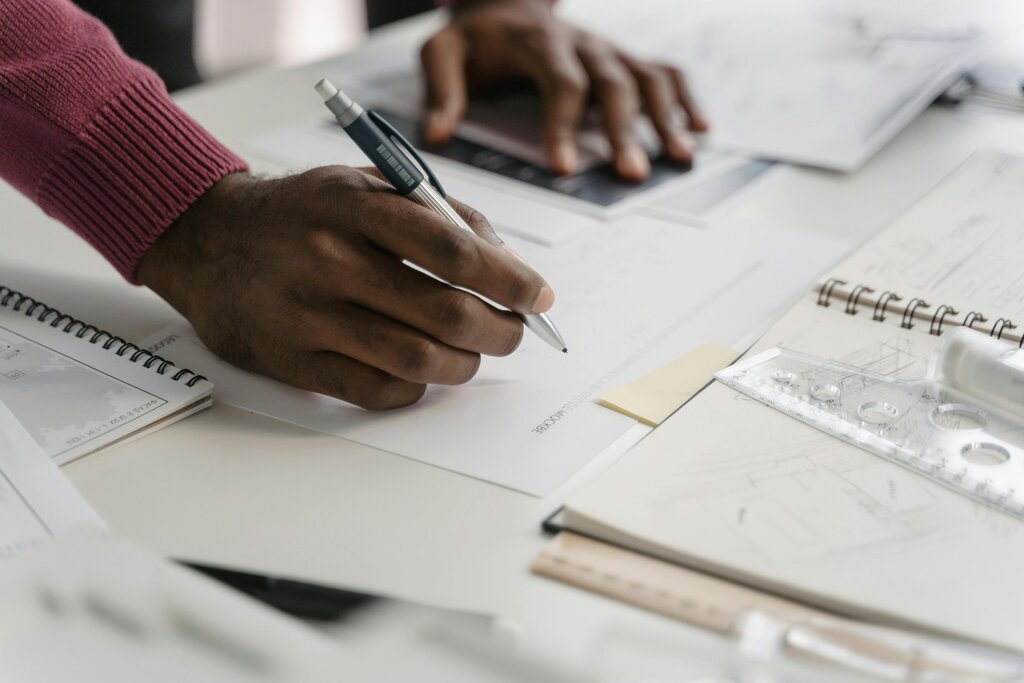
This first version is for your eyes only. It’s a chance to be messy, to experiment, and to figure out what you really want to say. Trying to write and edit at the same time can be paralyzing. Drafting separates these two tasks, freeing you up to focus purely on content and structure first.
Your First Draft Can Be Messy
The Iterative Process
Drafting isn’t a one-and-done activity. It’s an iterative cycle of writing and refining. You start with a first draft, often called a rough draft, and then build upon it.
With each new version, you get closer to your final goal. The first draft helps you establish a foundation. In the second, you might strengthen your arguments, improve the flow, or add more supporting details. Subsequent drafts refine the language and polish the structure.
This process applies everywhere, from writing an email to a colleague to drafting a novel or a technical manual. It turns the daunting task of writing into manageable steps, allowing you to focus on one aspect at a time.
What is the main goal of the drafting stage in writing?
The provided text compares the process of drafting to an artist creating a sketch. Why is this a fitting analogy?