Mastering Domain-Driven Design for Software Development
Introduction to Domain-Driven Design
Focusing on the Core Business
Software development isn't just about writing code. It's about solving real-world problems for a specific business area. This area—with all its rules, processes, and complexities—is called the domain. Domain-Driven Design, or DDD, is an approach that places the business domain at the center of the software development process.
Domain Driven Design is a software development approach that focuses on the core business domain and its logic over technological aspects.
Instead of starting with technology choices, like which database or framework to use, DDD starts with understanding the business itself. The goal is to create a software model that directly reflects the domain. This ensures the final product isn't just technically sound, but also a perfect fit for the business it serves.
Learning from the Experts
Developers are experts at building software, but they aren't always experts in logistics, finance, or healthcare. To truly understand a business domain, they need to collaborate closely with the people who live and breathe it every day.
Domain Expert
noun
A person with deep knowledge and authority in a specific business area. This could be anyone from a warehouse manager to a senior accountant or a shipping coordinator.
In DDD, domain experts are not just clients who check in occasionally. They are active, essential members of the development team. They guide the process, validate the software model, and ensure the logic accurately captures the nuances of their work. This continuous conversation is what makes the software relevant and powerful.
Speaking a Shared Language
A common source of failure in software projects is miscommunication. A developer might talk about a User object, while a business stakeholder talks about a Customer and a marketing person talks about a Client. Are they all the same thing? Maybe, but the ambiguity creates risk.
Domain-Driven Design solves this problem by creating a single, shared language for everyone involved in the project.
Ubiquitous Language
noun
A common, rigorous language shared by developers, domain experts, and other stakeholders. This language is used in all project conversations, documents, diagrams, and even in the code itself.
When a domain expert describes a business rule using a specific term, that exact term becomes the name of a class or method in the code. This creates a direct link between the business reality and the software that models it. The code becomes a clear expression of the domain.
| Team Member | Term Used | Ubiquitous Language Solution |
|---|---|---|
| Developer | order_obj | Shipment |
| Logistics Expert | consignment | Shipment |
| Code | class Shipment | Shipment |
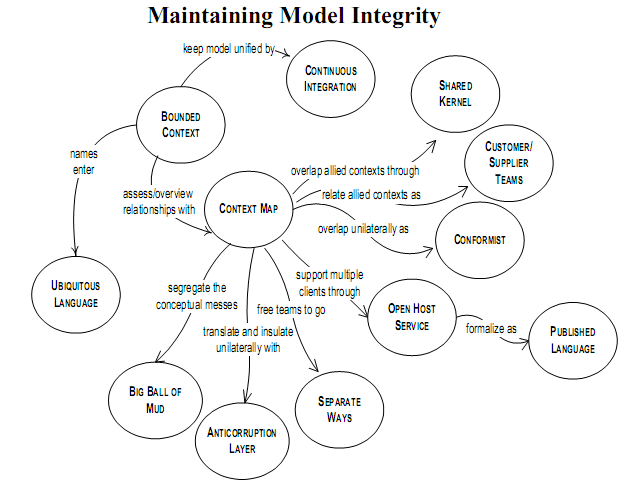
With this foundation, teams can build complex systems with confidence. The shared understanding fostered by DDD reduces misunderstandings, speeds up development, and results in software that genuinely works for the people who use it.
What is the primary focus of the Domain-Driven Design (DDD) approach?
In DDD, the term 'domain' refers to a specific website address where an application is hosted.