Mastering Diplomatic Protocol
Introduction to Diplomatic Protocol
The Rules of the Global Stage
Diplomacy is the conversation between nations. It’s where deals are struck, conflicts are resolved, and alliances are formed. But for this conversation to happen smoothly, everyone needs to follow a shared set of rules. This is where diplomatic protocol comes in.
Think of it as the operating system for international relations. It’s a system of etiquette, customs, and regulations that guide how countries and their representatives interact. It's not just about which fork to use at a state dinner; it's about creating a predictable and respectful environment where serious work can get done.
Protocol ensures that interactions are based on mutual respect and established norms, not on the shifting moods of individuals or the political tensions of the moment.
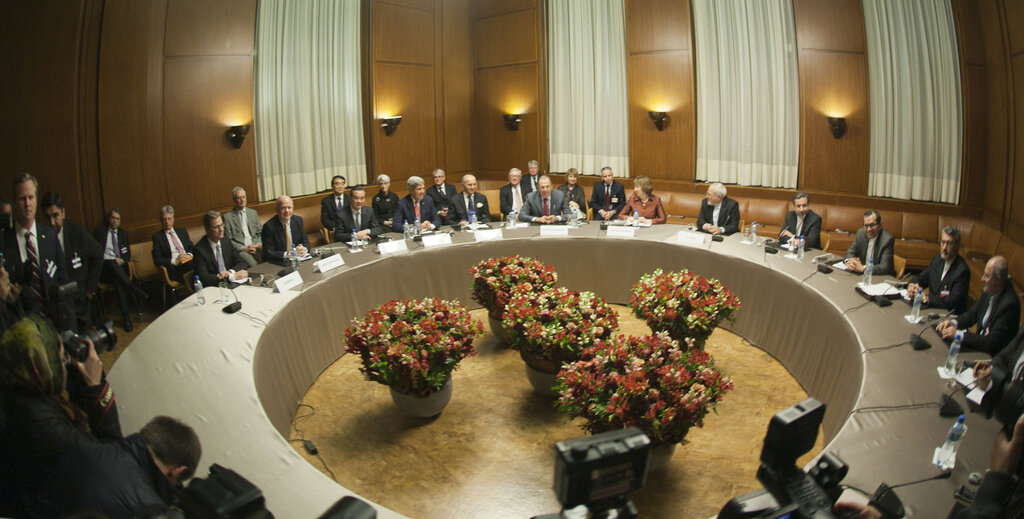
Why Protocol Matters
Without protocol, diplomacy could quickly descend into chaos. A simple misunderstanding over a seating arrangement or the placement of a flag could be misinterpreted as a deliberate insult, derailing important negotiations. Protocol removes these potential friction points.
By providing a neutral and universally accepted framework, it allows diplomats to focus on the substance of their discussions, not the form. It ensures that all nations, regardless of their size or power, are treated with equal dignity and respect. This level playing field is essential for fostering trust and cooperation.
Diplomacy is defined as the art of possible, and diplomats play a key role in maintaining stability and prosperity in our world while negotiating highly complex international relationships.
In short, protocol is the invisible architecture that supports global diplomacy. It prevents slights, manages egos, and creates the stable conditions necessary for peaceful international relations.
Core Principles
While diplomatic protocol involves thousands of specific rules, it all boils down to a few basic principles. These ideas are the foundation for nearly every diplomatic interaction.
| Principle | What it Means |
|---|---|
| Sovereign Equality | All states are legally equal on the world stage, regardless of their size, wealth, or military power. |
| Reciprocity | How you treat a country's diplomats is how they will treat yours. It’s the golden rule of diplomacy. |
| Precedence | This refers to the order of rank and priority. It determines things like who enters a room first or where officials are seated. |
Sovereign equality is why the ambassador from a small island nation is treated with the same formal respect as an ambassador from a superpower. Reciprocity ensures fair treatment for all diplomats abroad. If one country restricts the travel of another's diplomats, it can expect its own diplomats to face similar restrictions.
Precedence is perhaps the most visible aspect of protocol. It’s a system based largely on seniority, such as the date an ambassador officially began their duties in a host country. Following this order avoids disputes over status and shows respect for experience and position.
Now that you understand the what, why, and how of diplomatic protocol, let's test your knowledge.
What is the primary function of diplomatic protocol?
A minor breach of protocol, like misplacing a flag, could be misinterpreted as a deliberate insult and derail important negotiations.
These principles aren't just abstract ideas. They are the practical tools that diplomats use every day to build relationships and navigate the complex world of international affairs.