Mastering Dinner Table Etiquette
Introduction to Dining Etiquette
More Than Just Forks
Dining etiquette is the set of rules we follow when eating with others. It’s not about being stuffy or old-fashioned. At its heart, it’s about making people feel comfortable and respected. When you know the basics, you can relax and focus on the conversation, not on which utensil to grab next.
Think about it. Whether you're at a formal wedding, a casual lunch with friends, or an important business dinner, these unwritten rules help everything run smoothly. They show that you're considerate of the people around you. This simple act of awareness can make a big difference in how you're perceived, both personally and professionally. Good manners open doors by helping you make a positive first impression.
The core of etiquette is simple: Be mindful of how your actions affect others.
From Feasts to Fine Dining
Table manners weren't always so refined. In medieval times, dining was often a chaotic affair. People ate with their hands from shared platters, and the rules were few and far between. The Bayeux Tapestry, which dates back to the 11th century, shows scenes of communal feasts where customs were very different from our own.
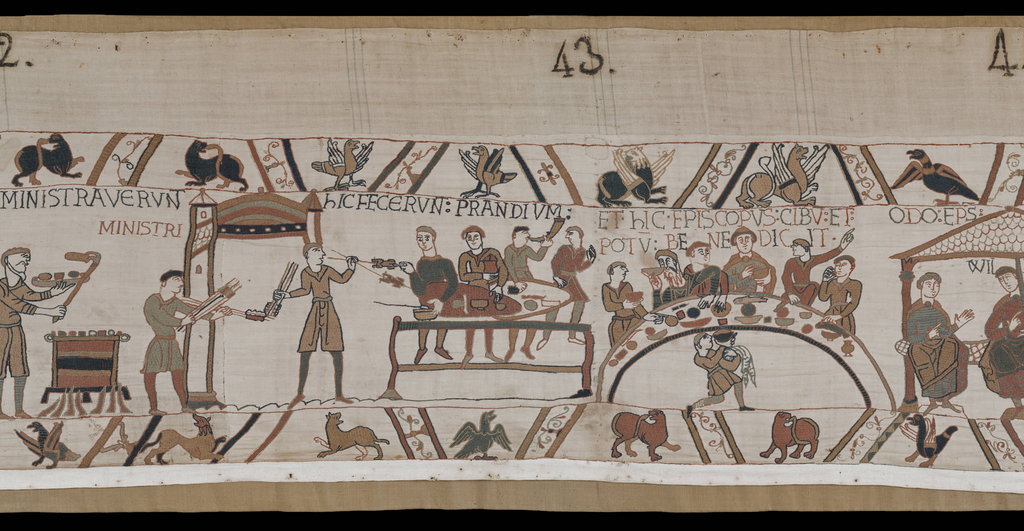
It wasn't until the Renaissance that things began to change. As societies became more complex, so did their dining customs. The fork, for instance, was slow to catch on in many parts of Europe, initially seen as an overly fussy tool. By the Victorian era in the 19th century, dining etiquette had become a detailed system of rules, designed to signal one's social class and education. Many of the customs we practice today, like using specific utensils for different courses, have their roots in this period.
The Social Advantage
Knowing proper dining etiquette gives you a quiet confidence in social situations. Instead of feeling anxious at a formal event, you can navigate the meal with ease. This allows you to engage more fully with your companions and build stronger connections.
In a professional context, these skills are invaluable. A business lunch or dinner is often a test of your social skills as much as your business acumen. Displaying good manners shows that you are polished, respectful, and detail-oriented, qualities that are highly valued in any industry. It can set you apart from the competition and leave a lasting, positive impression on clients, colleagues, and potential employers.
Let's review what we've covered.
What is the primary goal of modern dining etiquette?
True or False: The fork was immediately popular across Europe as a dining utensil.