Mastering Digital Trend Analysis
Mechanisms of Virality
The Science of Sharing
Why does one video get millions of views while another, seemingly just as good, languishes in obscurity? It’s rarely luck. Viral content isn't just born; it's often built on a deep understanding of human psychology and network dynamics. Certain ingredients make an idea more likely to be shared, turning passive viewers into active promoters.
Marketing professor Jonah Berger studied thousands of articles, products, and ideas to figure out what makes them catch on. He distilled his findings into a six-part framework called STEPPS. It's a powerful toolkit for understanding the anatomy of a viral hit.
A Framework for Going Viral
The STEPPS framework breaks down the key drivers that make things shareable.
1. Social Currency: We share things that make us look good. This might mean seeming smart, fashionable, or in-the-know. Sharing a link to an obscure but brilliant article or being the first in your circle to know about a new app gives you social currency It’s a way of signalling our identity and taste to others.
2. Triggers: The more something is on our mind, the more likely we are to talk about it. Triggers are the cues in our daily environment that remind us of a product or idea. The song "Friday" by Rebecca Black saw a spike in views every single Friday. The day itself was a trigger for the song.
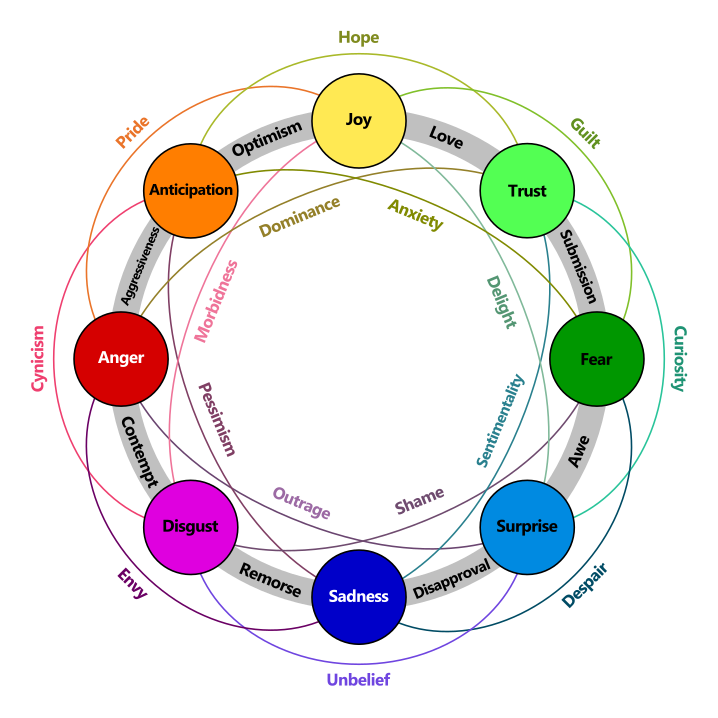
3. Emotion: When we care, we share. But not all emotions are created equal. Content that evokes high-arousal emotions like awe, excitement, anger, or humour is far more likely to be shared than content that triggers low-arousal emotions like sadness or contentment. Awe-inspiring nature videos or hilarious memes are prime examples. They give us a physiological jolt that motivates us to act.
4. Public: If something is built to be seen, it’s built to grow. Making behaviour public allows it to be imitated. Think of the white Apple headphones that became an instant status symbol, or the "I Voted" stickers that encourage others to perform their civic duty. When we see others using a product or espousing an idea, it normalises it and makes us more likely to join in.
If you can create content that makes people look good when they share it, you increase the chances of virality.
5. Practical Value: People love to share useful information. This could be a list of life hacks, a recipe, or a tutorial that solves a common problem. Sharing practical value is a way of helping others, which strengthens social bonds and reflects well on the sharer.
6. Stories: We don't just share information; we tell stories. Ideas and products often get embedded into narratives that are easier to remember and retell. It's much more compelling to share the story of how a company started in a garage and changed the world than to share a list of its product features. A good story carries a lesson or idea like a Trojan horse.
How Ideas Cascade
Beyond the psychological triggers, the structure of our social networks plays a huge role in virality. Ideas don't just spread; they flow through networks, sometimes exploding in what are known as This is when people start making decisions sequentially, basing their choice more on the observed actions of others than on their own private information. You see a restaurant with a long queue and assume it must be good, so you join the queue, making it even longer for the next person.
This leads to a "tipping point," a term popularised by Malcolm Gladwell. It's the moment when an idea, trend, or behaviour crosses a threshold and spreads uncontrollably. Before the tipping point, growth is slow and linear. After, it becomes exponential. This is the goal of many viral campaigns: to generate enough initial momentum to tip an idea into a self-sustaining cascade.
Some products and services are designed to be inherently viral by building in A viral loop is a mechanism where the process of using a product encourages you to invite others. Dropbox, for example, offered users extra storage space for referring friends. Each new user who joined was incentivised to bring in more users, creating a self-perpetuating cycle of growth. This isn't just marketing; it's engineering virality directly into the product's design.
Understanding these mechanisms—from the psychological pull of a great story to the mathematical logic of a network—demystifies virality. It's less about catching lightning in a bottle and more about knowing how to build a better lightning rod.
A coffee shop notices that sales of its pumpkin spice latte increase dramatically every autumn. Which principle from the STEPPS framework best explains this phenomenon?
According to the provided text, which of the following is an example of a high-arousal emotion that drives sharing?