Mastering Digital Product Creation
Advanced Market Validation
Beyond the Business Plan
A detailed business plan has its place, but for a fast-moving digital product, you need a tool that's just as agile. The is a one-page business model that forces you to focus on the riskiest parts of your idea first. It's less about five-year projections and more about a clear-eyed view of the problems you're solving and for whom.
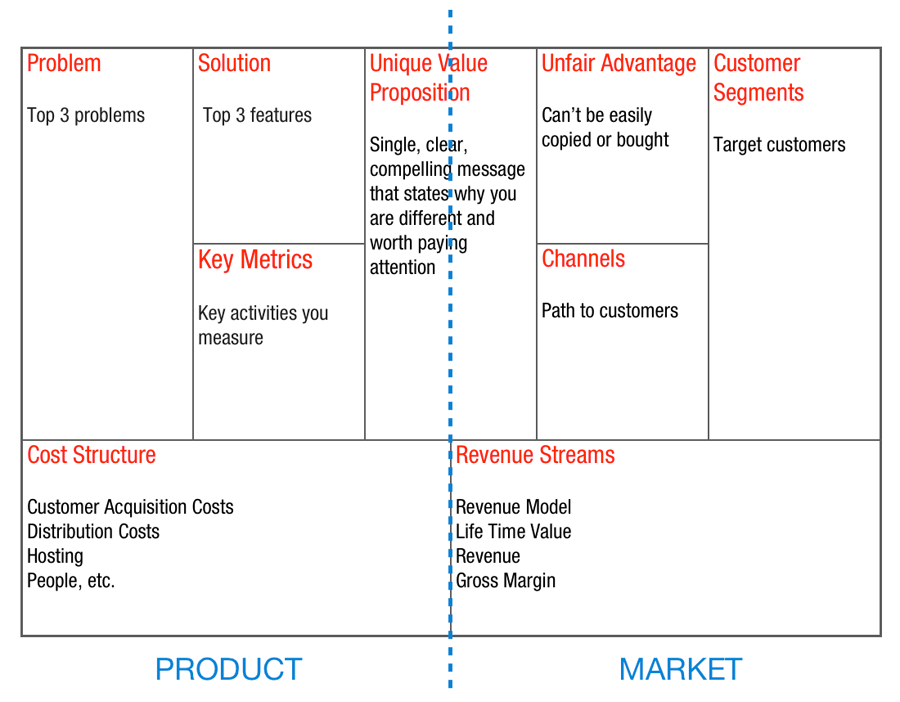
Instead of getting bogged down in details, you map out the core components of your business on a single page. What problem are you solving? Who is your target customer? What is your unique value proposition? Answering these forces you to confront the biggest assumptions you're making. The goal isn't to be right; it's to create a set of testable hypotheses about your business.
What Job Are They Hiring For?
Understanding your customer's problem is deeper than just demographics or surface-level needs. The (JTBD) framework shifts your perspective. It argues that customers don't just buy products; they "hire" them to make progress in their lives, to get a specific "job" done.
The key insight is that the job, not the customer, is the fundamental unit of analysis. Your real competitors are often not who you think they are—they are any other solution a customer might hire to do the same job.
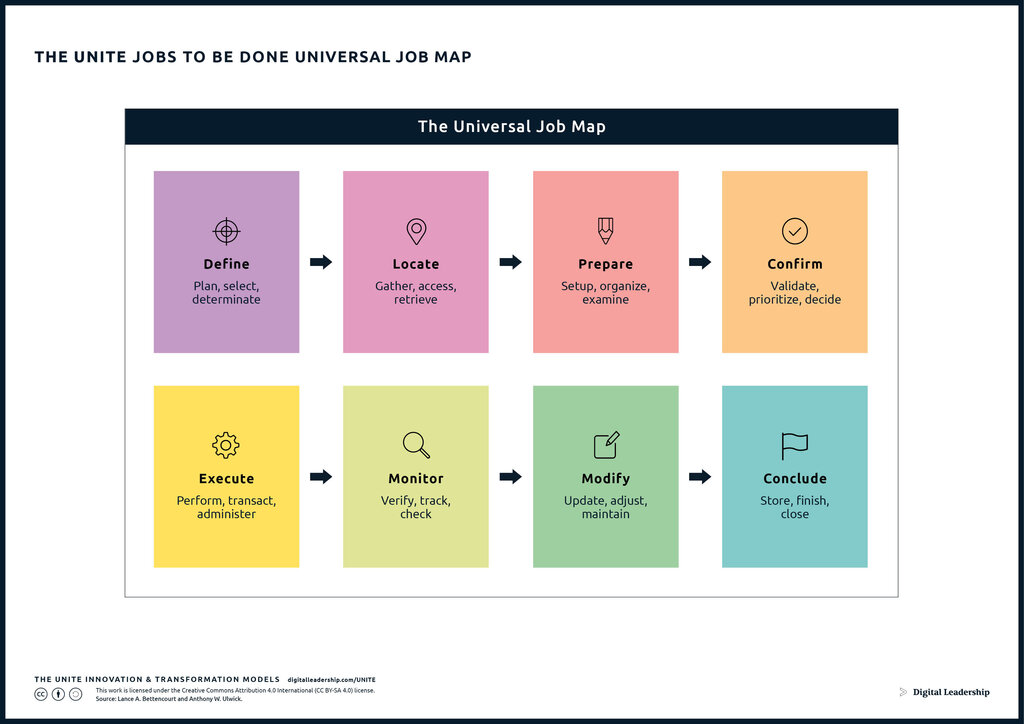
By focusing on the job, you uncover the underlying motivations and desired outcomes. You can then design a solution that addresses the functional, social, and emotional dimensions of that job, creating a much stickier product.
Testing Demand Before You Build
You have a business model and a deep understanding of the customer's job. But will people actually pay for your solution? Before writing code, you can run experiments to gauge real-world interest. A smoke test is a simple way to measure demand for a product that doesn't exist yet.
The most common form is a using a landing page. You create a compelling webpage that describes your product's value proposition and includes a call to action, like "Sign Up for Early Access" or "Buy Now." When a user clicks, instead of completing the action, they see a message like, "We're not quite ready yet, but thanks for your interest!" The click-through rate on that button is a powerful indicator of genuine market demand.
To create a compelling value proposition for your landing page, you can use a Strategy Canvas. This tool charts your product's features and performance against competitors, helping you identify a unique, uncontested market space.