Mastering Digital Marketing Strategy
Integrated Marketing Frameworks
Beyond the Silos
You already know the key players in digital marketing: SEO, SEM, social media, and content. The common mistake is treating them like separate teams playing different games. SEO specialists focus on organic rankings, SEM managers bid on keywords, and social media teams post updates. When they don't talk to each other, their efforts are disjointed and inefficient.
Integrated digital marketing breaks down these walls. It’s a strategy where every channel works in concert, amplifying the others to create a unified brand experience. Think of it like a band. The guitarist, drummer, and singer are all talented on their own, but the real magic happens when they play the same song together.
The goal is to create a self-sustaining marketing engine where organic and paid efforts feed each other, driving growth more effectively than any single channel could alone.
SEO and SEM Synergy
The classic debate is SEO vs. SEM. Which one is better? The integrated approach says this is the wrong question. The right question is: How do they work together?
Imagine you're launching a new product. Your SEO efforts might take months to rank for competitive terms. While that's building, you can use SEM to get immediate visibility. The data from your paid campaigns, like which ad copy gets the most clicks, can provide valuable insights. You can then use those high-performing keywords and phrases to refine your SEO strategy and on-page content.
Conversely, strong SEO reduces your reliance on paid ads. As your organic rankings improve, you can scale back your SEM budget for those keywords or reallocate it to target new terms. It’s a feedback loop: SEM provides short-term data and traffic, while SEO builds long-term, cost-effective authority.
This dynamic allows you to dominate the search engine results page (SERP). By having both a paid ad and a top organic result, you increase your brand's credibility and effective screen real estate, pushing competitors further down the page.
The Unified Funnel
The traditional marketing funnel is a linear path: Awareness, Consideration, Conversion. But today's customer journey is more complex. People might discover you on social media, read a blog post from a Google search, see a retargeting ad, and then finally make a purchase. An integrated strategy acknowledges this messy reality.
The unified funnel expands to include post-purchase stages: Retention and Advocacy. It’s not enough to make a sale. You need to turn customers into repeat buyers and, eventually, brand advocates who recommend you to others. This is where channels like email marketing and community management become critical. A consistent brand voice and customer experience across all touchpoints builds the trust needed for loyalty.
A full-funnel strategy ties top-of-funnel awareness efforts to nurturing initiatives and conversion-focused programs, creating a unified experience for prospects at every stage.
Every channel has a role. Social media excels at top-of-funnel awareness. Detailed blog posts and case studies, found via SEO, are perfect for the consideration phase. SEM is powerful for capturing high-intent users ready to convert. After the sale, email newsletters and exclusive social content can drive retention and encourage advocacy.
Content as the Cornerstone
Content is the glue that holds an integrated strategy together. But creating one-off pieces for each channel is inefficient. Instead, smart marketers use a hub-and-spoke model with Content Pillars and .
A Content Pillar is a substantial piece of content on a broad topic relevant to your audience, like a comprehensive guide or an in-depth report. This pillar then serves as the “hub.” From it, you can create dozens of smaller assets, or “spokes.” For example, a single pillar guide on "Beginner's Guide to Digital Photography" could be repurposed into:
- Blog posts on specific topics like "Choosing a Lens" or "Understanding Aperture."
- An infographic visualizing camera settings.
- A series of short video tutorials for Instagram and TikTok.
- A checklist for a first-time photo shoot, used as a lead magnet.
This approach ensures your messaging is consistent across all channels. It also supercharges your SEO. By internally linking all the spoke pieces back to the main pillar, you signal to search engines that you have deep authority on that subject, helping the entire cluster to rank higher.
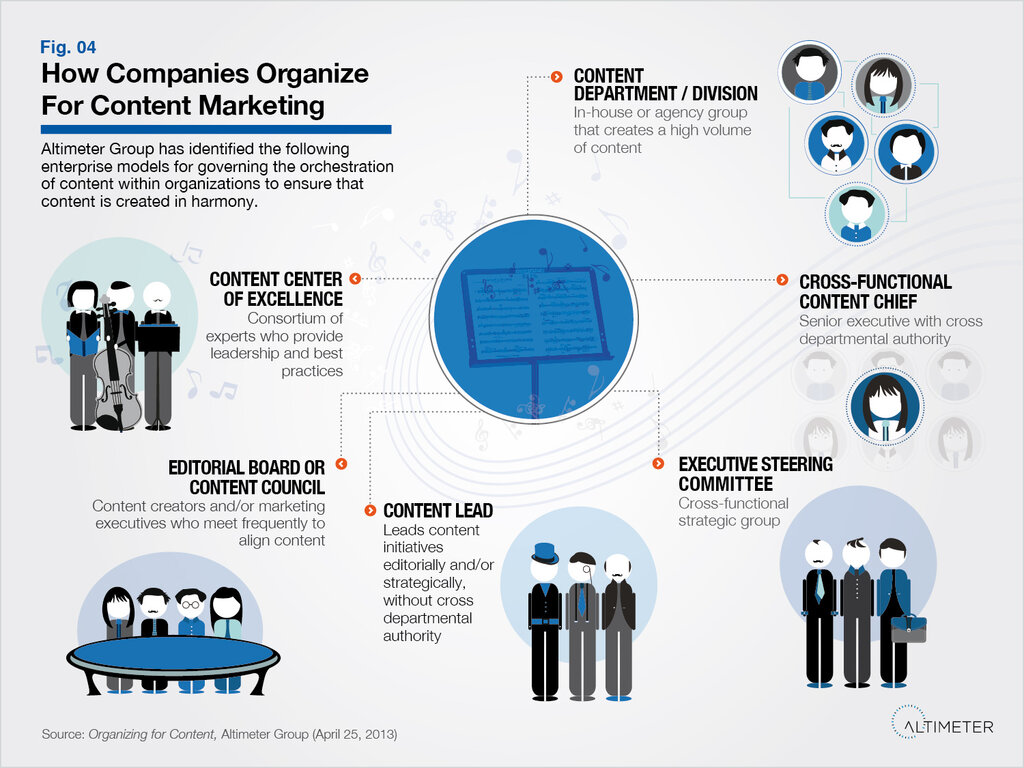
The rise of AI search is pushing this even further with the concept of . Instead of just matching keywords, new search engines like Perplexity and Google's AI Overviews synthesize information to provide direct answers. GEO focuses on creating clear, well-structured, and authoritative content that is easily understood and cited by these AI models. A strong Content Pillar strategy is the perfect foundation for this, as it provides the depth and breadth of information these systems are looking for.
What is the primary goal of an integrated digital marketing strategy?
In the context of the 'hub-and-spoke' model, a comprehensive guide on a broad topic is known as a ________.
By weaving these elements together, you move from a checklist of marketing activities to a strategic, interconnected framework. Each piece reinforces the others, creating a powerful engine for sustainable growth.