Mastering Digital File Organization
Understanding Digital File Management
The Basics of Digital Files
Every day, you create and interact with digital files. These are the documents, photos, videos, and spreadsheets that live on your computer, phone, or in the cloud. Digital file management is simply the process of how you handle all this information. It's the system you use to name, save, and organize your files so they are easy to find and use later.
Digital file management will look different for each organization but they should all reach the same goal: find what you need, when you need it.
Without a system, you're left with digital clutter. It's like a messy desk, but the pile of papers is invisible and grows much faster.
The Problem with Clutter
When your digital files are disorganized, finding what you need can feel like searching for a needle in a haystack. This chaos leads to real problems that slow you down.
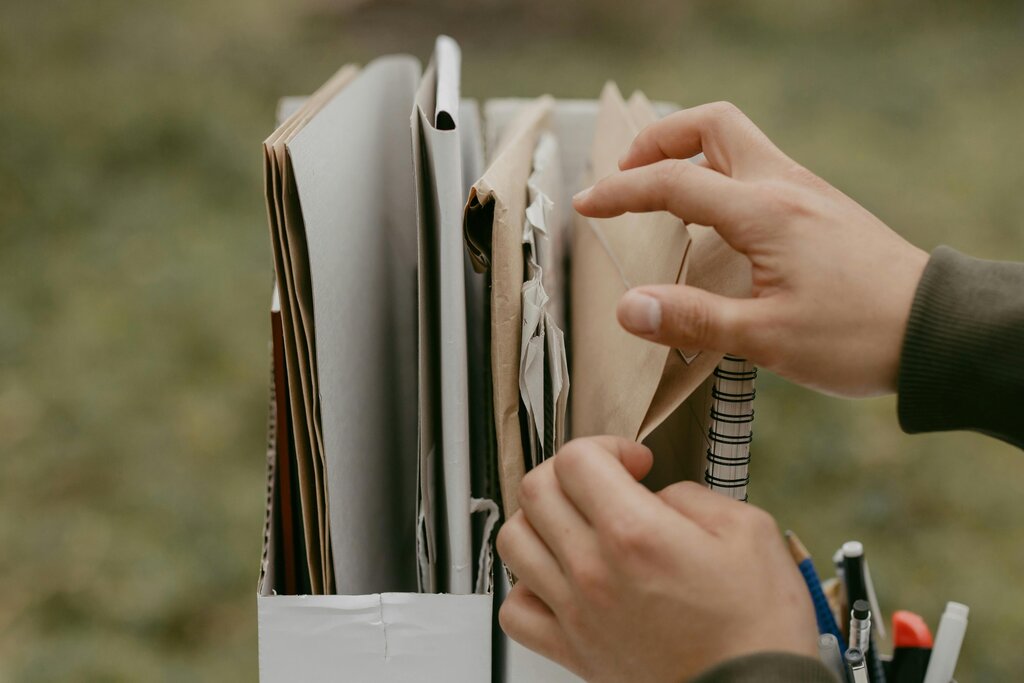
Common challenges include:
- Wasted Time: You spend precious minutes, or even hours, searching for a specific document you know you have somewhere.
- Version Confusion: You might send an old draft of a report or work on an outdated version of a project, leading to rework and mistakes.
- Collaboration Breakdowns: Sharing files with teammates becomes difficult. No one is sure where to find the latest information, causing delays.
- Risk of Data Loss: Important files can get accidentally deleted or lost in a sea of untitled documents.
Benefits of a System
Putting a simple organizational system in place transforms your digital workspace. The goal isn't just to be tidy; it's to be more effective. A systematic approach to file organization makes your work life smoother and more productive.
Organizing your digital files clears your mind for creativity and saves time, paving the way for a balanced life.
A well-managed digital environment helps you:
- Increase Productivity: Find files in seconds, not minutes. This lets you focus on your actual work instead of hunting for information.
- Improve Workflow: With a logical structure, you know exactly where to save new files and where to find existing ones.
- Enhance Collaboration: When everyone on a team uses the same system, sharing and accessing group files becomes seamless.
- Reduce Stress: A clean, organized digital space reduces the mental load of remembering where everything is stored.
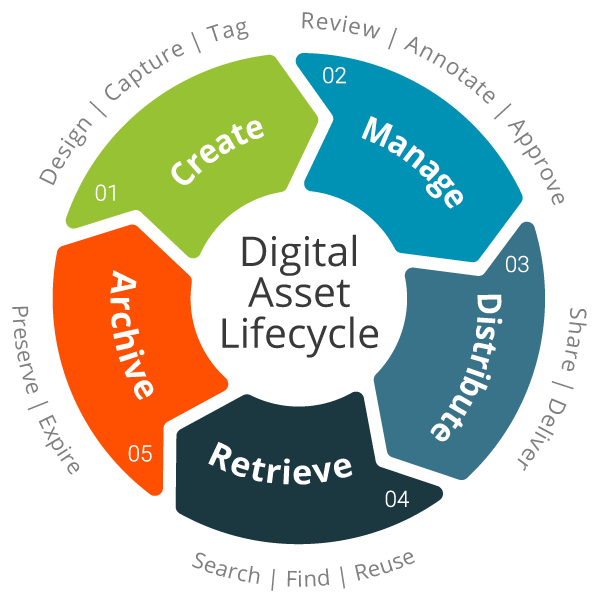
Think of digital file management as a foundational skill. Just like learning to type or use a spreadsheet, organizing your files is a basic competency that pays off every single day.
What is the primary purpose of digital file management?
Sending a teammate an old draft of a report instead of the final version is a direct symptom of which file management problem?