Mastering Digital Documentation
Introduction to Digital Documentation
What Is Digital Documentation?
At its core, digital documentation is the process of creating, managing, and storing information using digital formats. This goes far beyond just typing up a memo. It includes everything from the notes on your phone and the photos you save to complex project plans and vast company databases. It’s the digital equivalent of every file cabinet, library, and photo album, all rolled into one and accessible in an instant.
Think of the shift from a traditional library to a modern digital one. Instead of physically searching through rows of books and card catalogs, you can now find, read, and share information from anywhere in the world. That's the power of digital documentation: it transforms static information into a dynamic, accessible resource.
The Shift from Paper to Pixels
Moving from paper-based systems to digital ones has changed how we work and communicate. The benefits are significant and woven into our daily routines.
First, there's accessibility. A physical document lives in one place—a specific folder in a specific filing cabinet in a specific office. A digital document can be accessed from almost anywhere, by anyone who has permission. This makes information available when and where it's needed.
Efficiency gets a huge boost. Finding a single piece of information in a hundred-page report used to mean manually scanning every page. With digital documents, a simple search query can find it in seconds. This saves time and reduces frustration.
Collaboration also becomes much easier. Instead of mailing a physical draft and waiting for feedback, multiple people can review and comment on a single digital file simultaneously. This streamlines teamwork and ensures everyone is working from the same page.
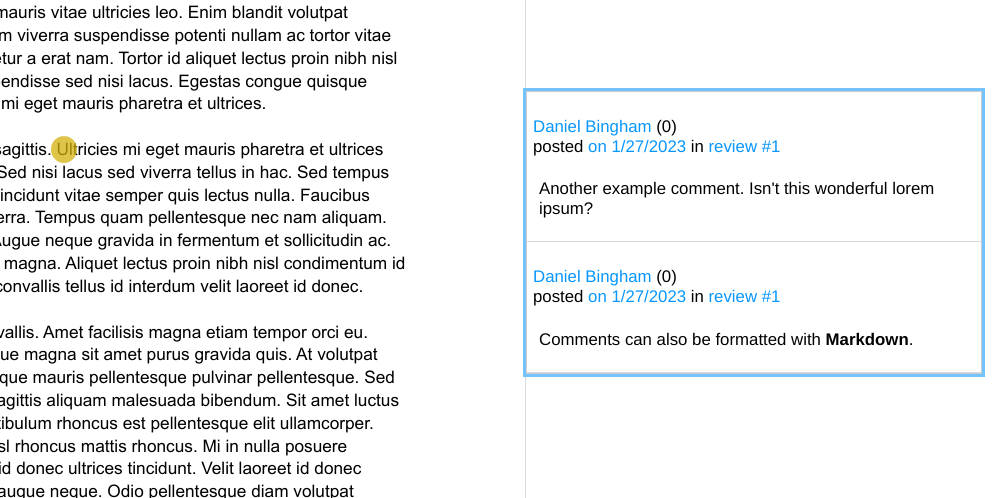
Digital documentation breaks down physical barriers, allowing for instant access and seamless collaboration across teams and time zones.
Navigating the Challenges
While the advantages are clear, the digital world comes with its own set of hurdles. Managing digital information effectively means being aware of these potential pitfalls.
One of the biggest concerns is data security. Digital files can be vulnerable to unauthorized access, corruption, or accidental deletion. Without proper safeguards and backups, critical information could be lost forever.
Then there's the issue of version control. We've all seen file names like Report_Final_v2_reallyfinal.docx. When multiple versions of a document exist, it's easy for confusion to set in. Knowing which document is the most current and authoritative is crucial.
Finally, a lack of standardized practices can create a digital mess. If every team member uses their own system for naming and organizing files, finding anything becomes a treasure hunt. Establishing clear, consistent rules is key to maintaining order.
| Challenge | Why It Matters | A Simple Approach |
|---|---|---|
| Data Security | Protects information from loss or unauthorized access. | Use secure passwords and regular backups. |
| Version Control | Ensures everyone uses the most up-to-date document. | Adopt a clear file naming system (e.g., Report_2024-10-26). |
| Standardization | Keeps information organized and easy to find. | Create and share simple guidelines for file organization. |
The Secret Organizer: Metadata
So how do you manage thousands of digital files without losing your mind? The answer is metadata.
Metadata is simply "data about data." It’s the descriptive information that provides context for a document. Think of it like the information on the back of a photograph. The photo itself is the data, but the metadata tells you who is in it, where it was taken, and the date.
Metadata
noun
A set of data that describes and gives information about other data.
In digital documentation, metadata can include things like the author of a document, the creation date, the file type, and keywords describing its content. This information makes documents searchable and easy to categorize.
For example, instead of remembering the exact title of a report, you could search for all documents created by a specific author last month about a certain project. Good metadata acts like a super-powered card catalog for your digital library, making information retrieval fast and accurate.
By understanding these core concepts—the benefits, the challenges, and the role of metadata—you're ready to create and manage digital information more effectively.