Mastering Digital Advocacy Campaigns
Digital Advocacy Fundamentals
What is Digital Advocacy?
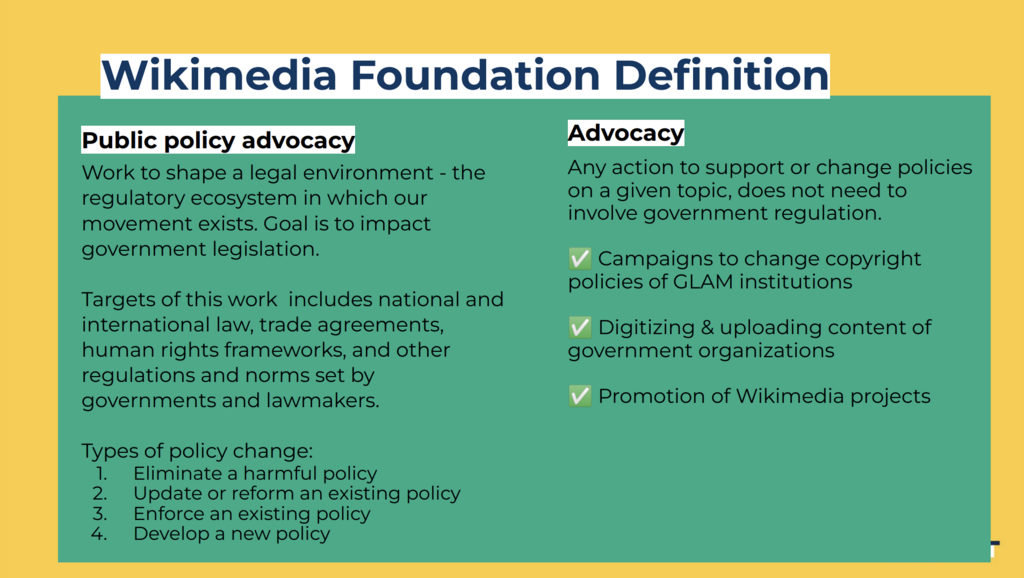
At its heart, advocacy is about influencing decisions to create positive change. It's the process of supporting a cause or policy you believe in. When you add the word "digital," you're simply talking about using online tools to achieve those goals.
advocacy
noun
Any action that speaks in favor of, recommends, argues for, or supports a cause or policy.
Digital advocacy uses websites, social media, email, and other online technologies to persuade and mobilize people. The purpose isn't just to spread awareness; it's to channel that awareness into concrete action. This could mean asking people to sign an online petition, email their local representative, or donate to a cause. The goal is to make it easy for anyone, anywhere, to participate in shaping their world.
From Picket Lines to Pixels
Advocacy itself is nothing new. People have always organized marches, written letters, made phone calls, and gathered in town halls to make their voices heard. These traditional methods are powerful but often require a lot of time, resources, and physical presence.
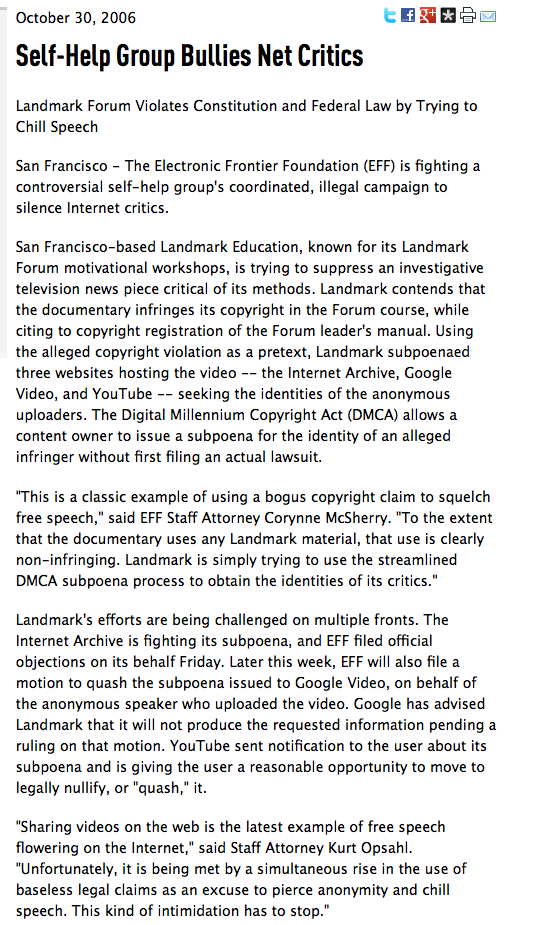
The digital age changed the game. The internet lowered the barrier to entry, allowing smaller groups and even individuals to reach massive audiences with minimal cost. Early online advocacy often took the form of email chains and simple websites. But as technology evolved, so did the tactics.
Suddenly, a campaign that might have taken months to organize with flyers and phone banks could be launched in a matter of hours with a single viral post or a well-crafted email blast.
Digital tools didn't replace traditional advocacy; they amplified it. A protest march can now be organized on social media and broadcast live to a global audience. A letter-writing campaign can become a one-click tool that sends thousands of personalized emails to lawmakers. The core principles of persuasion and mobilization remain the same, but the speed and scale are entirely different.
The Building Blocks of a Campaign
While digital advocacy campaigns can look very different from one another, most successful ones are built on the same fundamental components. Understanding these building blocks is the first step to creating a campaign that makes a real impact.
1. A Clear Goal: What, specifically, do you want to achieve? A goal shouldn't be vague like "raise awareness." It should be concrete and measurable, such as "Get 10,000 signatures on a petition to protect the local park" or "Convince three city council members to vote 'yes' on the new recycling bill."
2. A Target Audience: Who has the power to make your goal a reality? This isn't just your supporters; it's the decision-makers you need to influence. It could be a politician, a CEO, a school board, or a group of voters.
3. A Compelling Message: Why should anyone care? Your message is the story you tell. It needs to be simple, emotional, and connect the problem to people's values. It explains the problem, who is responsible, and what the solution is.
4. A Call to Action (CTA): What do you want people to do right now? The CTA is the specific, tangible step you want your audience to take. It should be as easy as possible to complete, like "Click here to email your senator" or "Share this post with three friends."
These four elements work together. Your message is crafted to persuade your target audience to achieve your goal, and the call to action gives your supporters a direct way to help make it happen.
What is the primary purpose of digital advocacy?
Which of the following is the best example of a 'clear goal' for a digital advocacy campaign?