Mastering Difficult Customer Conversations
Understanding Customer Behavior
Why Customers Do What They Do
Customer behavior can sometimes feel random and unpredictable. One person is thrilled with your service, while the next seems impossible to please. But these actions aren't random at all. They're driven by personality, psychology, and the specific circumstances of their experience.
Understanding these underlying factors is the first step toward building stronger relationships and handling tricky situations with confidence. Instead of just reacting, you can start to anticipate needs and see the situation from their perspective.
Common Customer Personalities
While every customer is an individual, many fall into recognizable patterns of behavior. Think of these as common communication styles. Spotting them helps you tailor your approach so your message lands effectively.
Imagine four different people trying to buy a new laptop. Their core goal is the same, but their approaches reveal their personalities.
The Driver walks in knowing the exact processor and RAM they need. They've done their research and want a quick, efficient transaction. They value speed and competence and have little patience for small talk.
The Amiable customer is more interested in the relationship. They might ask about your day and want to know which laptop you would recommend for a college student. They value trust and friendliness.
The Analytical type arrives with a spreadsheet comparing models from three different stores. They want to see spec sheets, understand the warranty in detail, and discuss benchmarks. They value data, logic, and precision.
The Expressive customer is focused on the big picture. They talk about what they'll create with the laptop—art, music, a new business. They are influenced by enthusiasm and innovative features, not just raw specs.
Recognizing these styles isn't about putting people in boxes. It's about adapting your communication to what they value most. A Driver wants facts, fast. An Analytical needs details to build trust. An Amiable responds to warmth, and an Expressive gets excited by possibilities.
Identify different buyer personalities and adapt selling approaches accordingly.
Psychological Triggers
Beyond personality, universal psychological principles often drive customer actions and reactions. These mental shortcuts are hardwired into how we all make decisions.
Loss Aversion
noun
The tendency to prefer avoiding losses over acquiring equivalent gains. The pain of losing is psychologically about twice as powerful as the pleasure of gaining.
This explains why a small, unexpected fee can cause such a strong negative reaction, or why the removal of a favorite feature feels like a major betrayal. The customer is focused on what they've lost, not what they still have.
Social Proof
noun
A psychological phenomenon where people assume the actions of others reflect correct behavior for a given situation. We look to others for cues on what to do.
When a customer says, "All my friends use your competitor," or, "I saw your great reviews online," they are being influenced by social proof. It's a powerful force that can work for or against you.
Cognitive Dissonance
noun
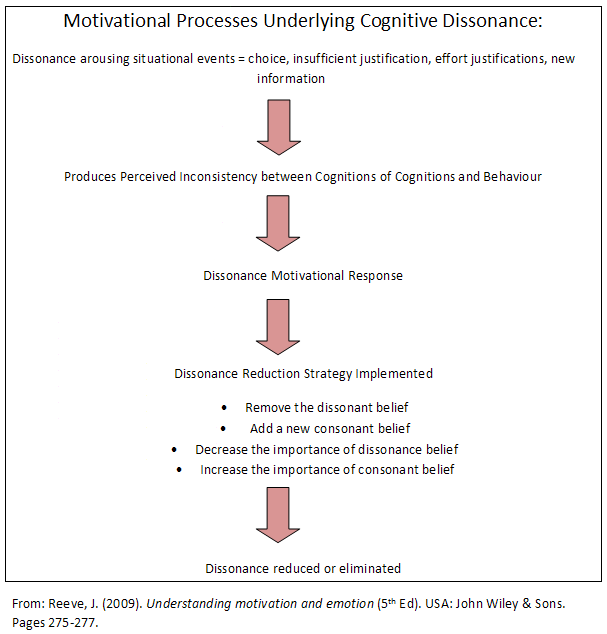
The mental discomfort experienced by a person who holds two or more contradictory beliefs, ideas, or values, or is confronted by new information that conflicts with existing beliefs.
A customer experiencing this might call support looking for reassurance that they made a good choice. They might also over-emphasize a small flaw to justify their feeling of regret. Helping them confirm the value of their decision can ease this internal conflict.
What Drives Satisfaction
Ultimately, customer satisfaction isn't just about the product working. It's about their entire experience. Several key factors determine whether a customer leaves happy or frustrated.
Expectations vs. Reality: Satisfaction is the gap between what a customer expects and what they receive. If your service exceeds their expectations, they're delighted. If it falls short, they're disappointed, even if the service was technically fine. A key part of the job is managing those expectations from the start.
Perceived Effort: How much work did the customer have to do to get their problem solved? If they were transferred multiple times, had to repeat their story, or struggled to find information, their satisfaction will plummet. Making things easy and seamless is a huge driver of happiness.
Fairness: Customers need to feel the outcome was fair and the process was just. Even if they don't get exactly what they wanted, they are more likely to be satisfied if they feel they were heard, treated with respect, and given a clear, reasonable explanation. An outcome that feels arbitrary will almost always lead to dissatisfaction.
Understanding these elements helps shift the focus from merely solving a problem to delivering a positive experience. By keeping personalities, psychological triggers, and the drivers of satisfaction in mind, you're better equipped to navigate any customer conversation.