Mastering Diabetes Management and Pathophysiology
Pathophysiological Mechanisms
The Autoimmune Attack
In Type 1 Diabetes, the story isn't about the body failing to use insulin correctly, but about the body attacking itself. It's an autoimmune condition where the immune system's own soldiers, specifically cytotoxic T-cells, mistakenly identify the insulin-producing beta cells in the pancreas as foreign invaders. Over time, these T-cells systematically destroy the beta cells, leading to an absolute deficiency of insulin.
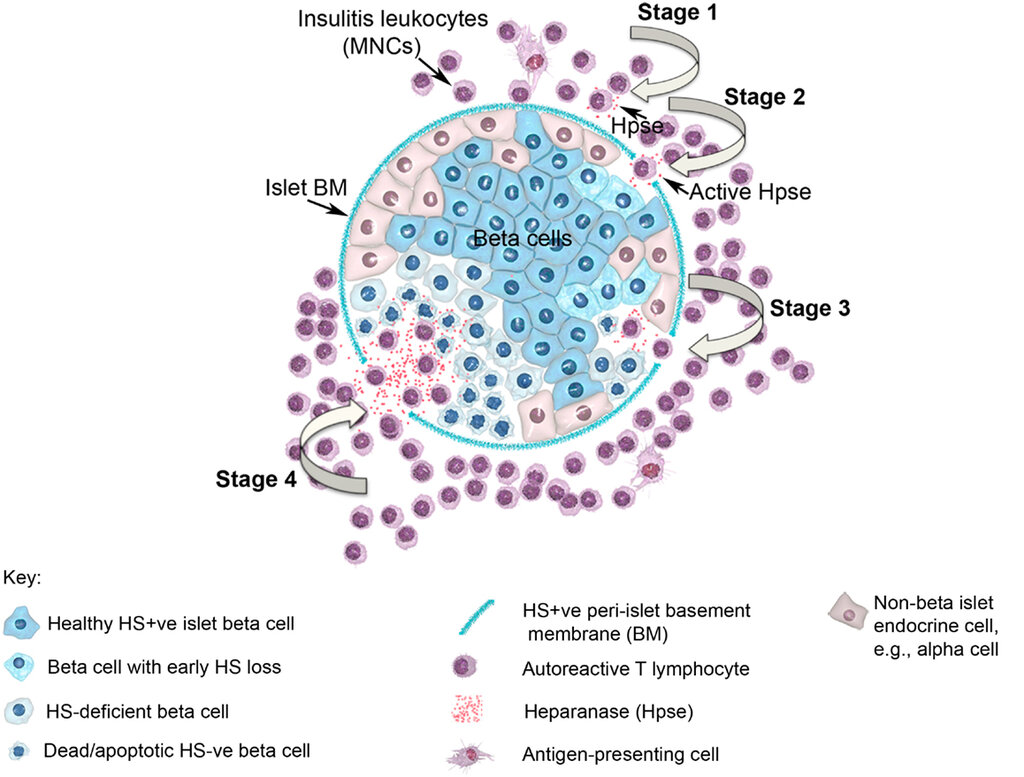
This targeted destruction isn't random. Before symptoms even appear, the body produces specific . These proteins are tell-tale signs of the impending attack. They can be detected in the blood years before the beta cell population drops low enough to cause hyperglycemia. Screening for these autoantibodies is a key tool for identifying individuals at high risk and is crucial in research for preventing the disease.
The central issue in Type 1 Diabetes is not insulin resistance, but the complete or near-complete loss of insulin production due to autoimmune beta-cell destruction.
A Vicious Cycle
Type 2 Diabetes is far more complex than simple insulin resistance. It's a multifaceted disorder involving a breakdown in communication between multiple organs. For years, the focus was primarily on the pancreas and muscle cells. However, a more comprehensive understanding reveals a network of failures across the body.
This network is best described by the , a framework identifying eight core pathophysiological defects. These include:
- Impaired Insulin Secretion: The beta cells become exhausted and can't produce enough insulin.
- Muscle Insulin Resistance: Muscle cells don't respond well to insulin, failing to take up glucose from the blood.
- Increased Hepatic Glucose Production: The liver inappropriately releases stored glucose into the bloodstream, even when levels are already high.
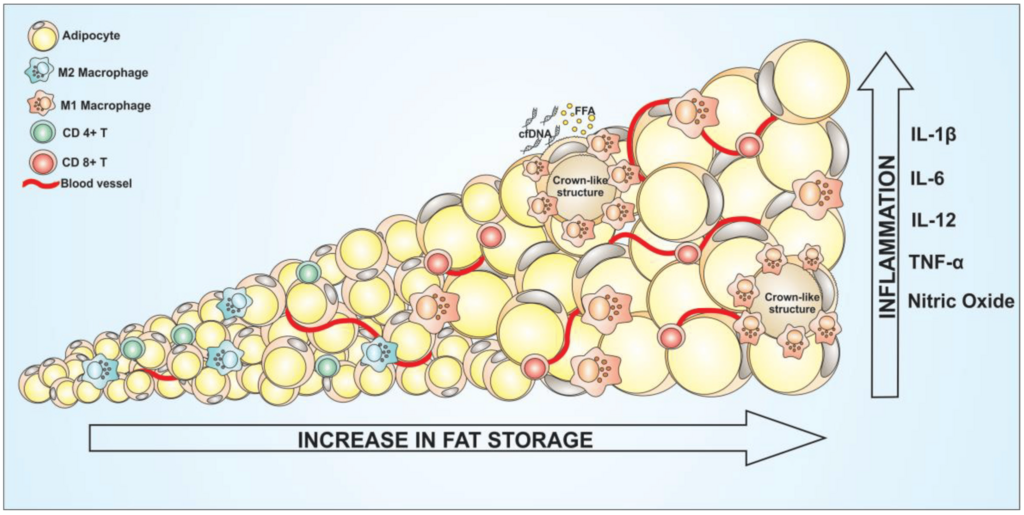
- Fat Cell Dysfunction: Adipocytes (fat cells) become resistant to insulin's effects, releasing fatty acids that worsen insulin resistance in the liver and muscles. This dysfunction also leads to the release of pro-inflammatory cytokines like TNF-α and IL-6, creating a state of chronic low-grade inflammation.
The other four defects involve the kidneys reabsorbing too much glucose, the brain experiencing neurotransmitter dysfunction that affects appetite, and a reduced from the gut, which means less insulin is secreted after a meal. Finally, pancreatic alpha cells secrete too much glucagon, which tells the liver to produce even more glucose. Together, these eight factors create a self-perpetuating cycle of hyperglycemia.
Pregnancy and Placental Conflict
Gestational Diabetes arises from a unique metabolic conflict during pregnancy. To ensure the fetus receives a steady supply of nutrients, the placenta produces hormones that promote a state of insulin resistance in the mother. Key players include human placental lactogen (hPL), cortisol, and progesterone.
This progressive insulin resistance is a normal part of pregnancy. In most women, the maternal pancreas compensates by ramping up insulin production by up to 200-250%. However, in women who develop Gestational Diabetes, the beta cells cannot meet this increased demand. This beta-cell failure, superimposed on the hormonally-induced insulin resistance, leads to hyperglycemia.
The Ghost of Sugars Past
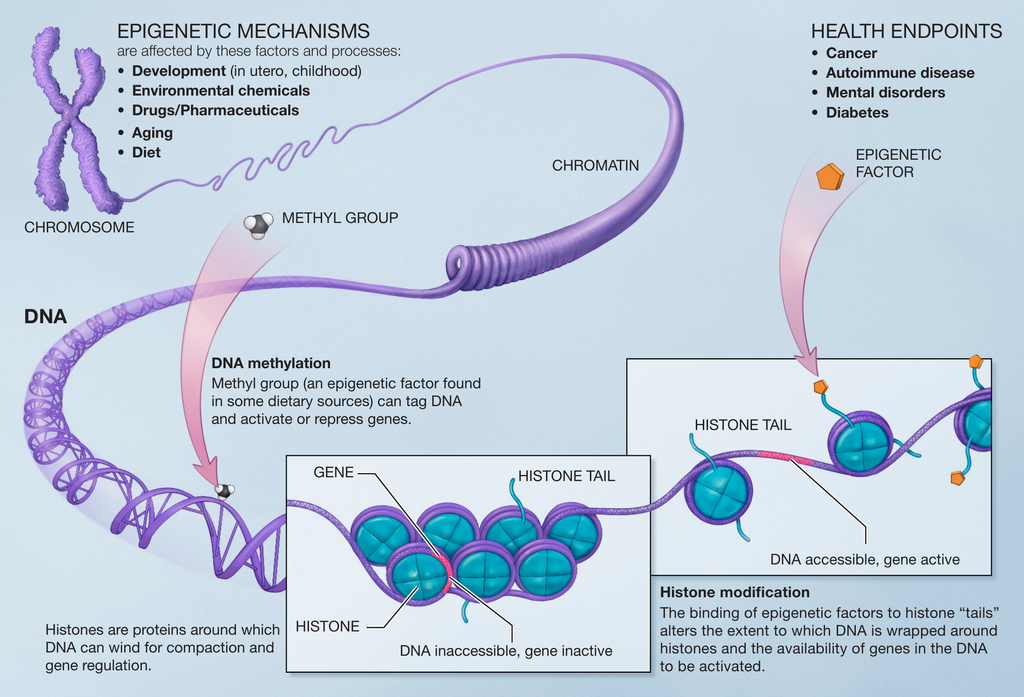
Even after blood glucose is brought under control, the body can remember past periods of hyperglycemia. This phenomenon is known as . Early exposure to high glucose levels causes lasting changes to cells, particularly those lining blood vessels, which explains why diabetes complications can continue to progress even after glycemic control is achieved.
The mechanism behind this lies in epigenetics. Hyperglycemia can induce changes in how genes are expressed without altering the DNA sequence itself. It can modify histones—the proteins that package DNA—and alter DNA methylation patterns. These epigenetic marks can remain for a long time, persistently activating pathways that lead to inflammation and cellular damage, effectively creating a lasting legacy of high blood sugar.
Understanding these intricate mechanisms—from autoimmune attacks and multi-organ defects to hormonal conflicts and epigenetic legacies—is key to developing more targeted and effective treatments for all forms of diabetes.
What is the primary mechanism that leads to the development of Type 1 Diabetes?
The "Ominous Octet" is a framework for understanding the complex pathophysiology of Type 2 Diabetes. Which of the following is NOT one of the eight core defects described?