Mastering DevSecOps with SonarQube
Introduction to DevSecOps
Security From the Start
Traditionally, software was built first and secured later. A development team would write the code, and just before launch, a separate security team would swoop in to find flaws. This often led to delays, friction between teams, and vulnerabilities slipping through the cracks. It was like building a house and only hiring a security consultant after the walls were up and the doors were hung.
DevSecOps is the practice of integrating security into the software development process.
DevSecOps flips this model on its head. The name combines Development, Security, and Operations. It’s a philosophy where security isn't a final hurdle but an integral part of the entire software development lifecycle (SDLC), from the initial idea to the final product and beyond. The goal is to make everyone on the team responsible for security, building it into the process rather than bolting it on at the end.
The Shift Left
To understand DevSecOps, it helps to see how we got here. Early software development often followed a Waterfall model. Each phase—requirements, design, coding, testing—happened in a strict sequence. Security checks were typically one of the last steps, making fixes costly and time-consuming.
Then came Agile and DevOps, which broke down these long cycles into smaller, faster iterations. Development (Dev) and Operations (Ops) teams, who were once siloed, began working together to automate and speed up the delivery of software. This was a huge improvement, but security often remained a separate, final step.
You might hear the term "shift left" in relation to DevSecOps. Imagine the software development process as a timeline from left (planning) to right (release). Shifting left means moving security considerations to the earliest possible stages of development.
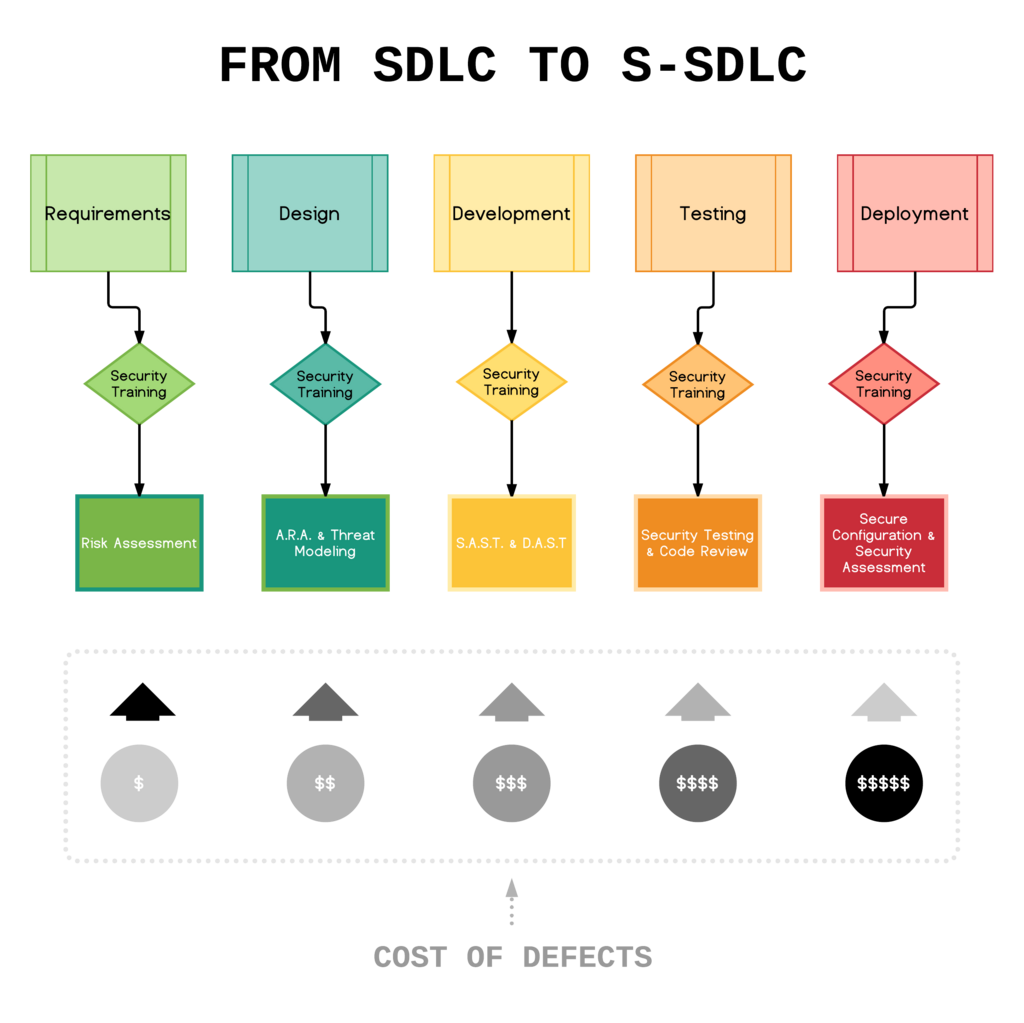
Instead of waiting for a final security review, developers get feedback as they write code. This proactive approach has major benefits. Finding and fixing a security flaw during the design phase is far easier and cheaper than patching it in a live product with active users. It leads to more secure software, faster release cycles, and less rework.
More Than Just Tools
Adopting DevSecOps isn't just about buying new security software. It's a fundamental change in culture and mindset. It requires breaking down the traditional walls between development, security, and operations teams and fostering a culture of shared responsibility.
The most critical aspect of DevSecOps is fostering a culture where security is everyone's responsibility.
In a DevSecOps environment, security experts act more like coaches than gatekeepers. They empower developers with the knowledge and tools to write secure code from the start. Communication becomes open and constant. Everyone understands that building a secure product is a collective goal, not just one team's problem.
This cultural shift requires trust, collaboration, and a willingness to learn. It means developers think about potential security risks as they build features, and operations teams consider security when deploying and maintaining infrastructure. When security is woven into the fabric of the development process, the entire team can move faster and build better, safer products.
Let's check your understanding of these core concepts.
What is the primary philosophy behind DevSecOps?
In the context of DevSecOps, what does the phrase "shift left" mean?