Mastering Design Systems
Introduction to Design Systems
What Is a Design System?
Think of a massive box of LEGO bricks. It doesn't just contain random blocks; it has specific pieces like wheels, windows, and doors, along with an instruction manual explaining how they fit together. You can build a car, a house, or a spaceship, and they'll all look like they belong in the same LEGO universe.
A design system is like that box of LEGOs for a digital product. It’s a complete set of standards, reusable components, and guidelines that dictate how a product should look and feel. It’s the single source of truth for an entire team, ensuring everyone is building with the same set of blocks.
A design system is a collection of reusable components, guided by clear standards, that can be assembled to build any number of applications.
This isn't just a style guide that lists colors and fonts. It’s a living library of code, design patterns, and rules that evolve with the product. When a designer needs a button, they don’t invent one; they pull the official button from the system. When a developer needs to build a user profile card, they use the pre-built, pre-approved component. It’s a framework for building.
The Benefits of Order
So why do teams invest time and resources into building these systems? The payoff is huge, especially for large organizations or products that need to scale.
First, there's consistency. When multiple teams work on different parts of a product, things can get messy. One team might use a slightly different shade of blue or a button with sharper corners. A design system acts as a rulebook, ensuring that every part of the product, from the mobile app to the marketing website, shares the same visual and functional DNA. This creates a cohesive and predictable experience for the user.
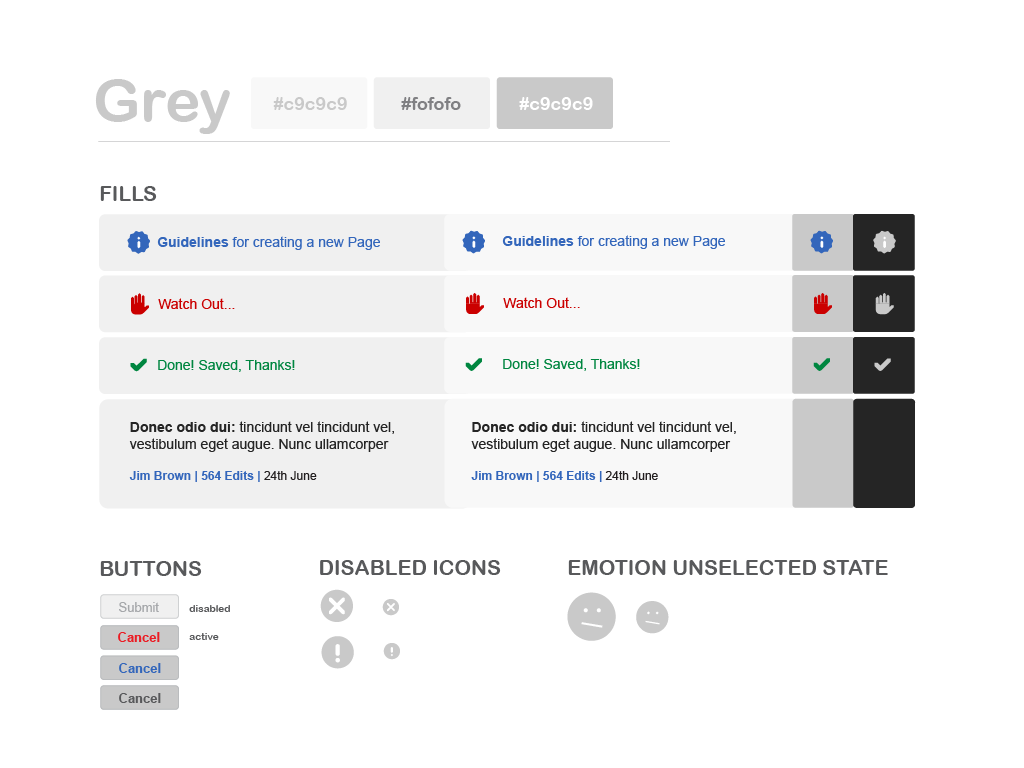
Second, it boosts efficiency. Instead of reinventing the wheel for every new feature, designers and developers can grab ready-made components. This drastically speeds up the development cycle. Less time is spent debating pixels and more time is spent solving actual user problems. It's the difference between cooking a meal from scratch and using a well-stocked pantry with pre-measured ingredients.
By reusing components, teams avoid duplicating work, which saves time and reduces technical debt.
Finally, a design system fosters better collaboration. It creates a shared language that both designers and developers can understand and use. Miscommunications are minimized because everyone is referencing the same playbook.
A well-thought-out design system acts as a bridge between designers and developers, creating a shared language that eliminates confusion.
Strengthening Brand and Experience
A design system's impact goes beyond the internal team. It directly shapes how users perceive a brand. A consistent look and feel across all touchpoints reinforces brand identity, making it more recognizable and trustworthy. When every interaction feels familiar, users build confidence and comfort with the product.
This leads to a better user experience (UX). Users don't have to relearn how the interface works when they move from one part of the app to another. A search bar on one screen behaves just like a search bar on another screen. This predictability reduces cognitive load, making the product easier and more pleasant to use.
Let's review the main ideas.
Ready to check your understanding?
What is the primary role of a design system in a digital product's development?
The provided text compares a design system to a box of LEGOs. This analogy primarily highlights the system's role in providing...
In essence, a design system is a strategic tool. It helps teams build better products faster, ensures a consistent brand presence, and ultimately creates a more intuitive and enjoyable experience for the end user.