Mastering Design Systems
Introduction to Design Systems
What Is a Design System?
Imagine building a complex model with LEGO bricks. Instead of creating each tiny brick from scratch every time you need one, you have a pre-made set of standard bricks in various shapes and colors. You also have an instruction booklet that shows you how to combine them. This allows you to build bigger, more complex things, faster and more consistently.
A design system is the digital equivalent of that LEGO set and instruction book. It's a collection of reusable components, guided by clear standards, that can be assembled to build any number of applications.
A design system is a collection of reusable components, guided by clear standards, that can be assembled to build any number of applications.
The main purpose of a design system is to create a consistent and high-quality user experience across all of a company's products. It ensures that everything from a button on a mobile app to a data table on a website looks and feels like it belongs to the same family. It also makes the process of designing and building products much more efficient.
The Core Components
While design systems can vary, they typically consist of three main parts that work together.
1. Style Guide
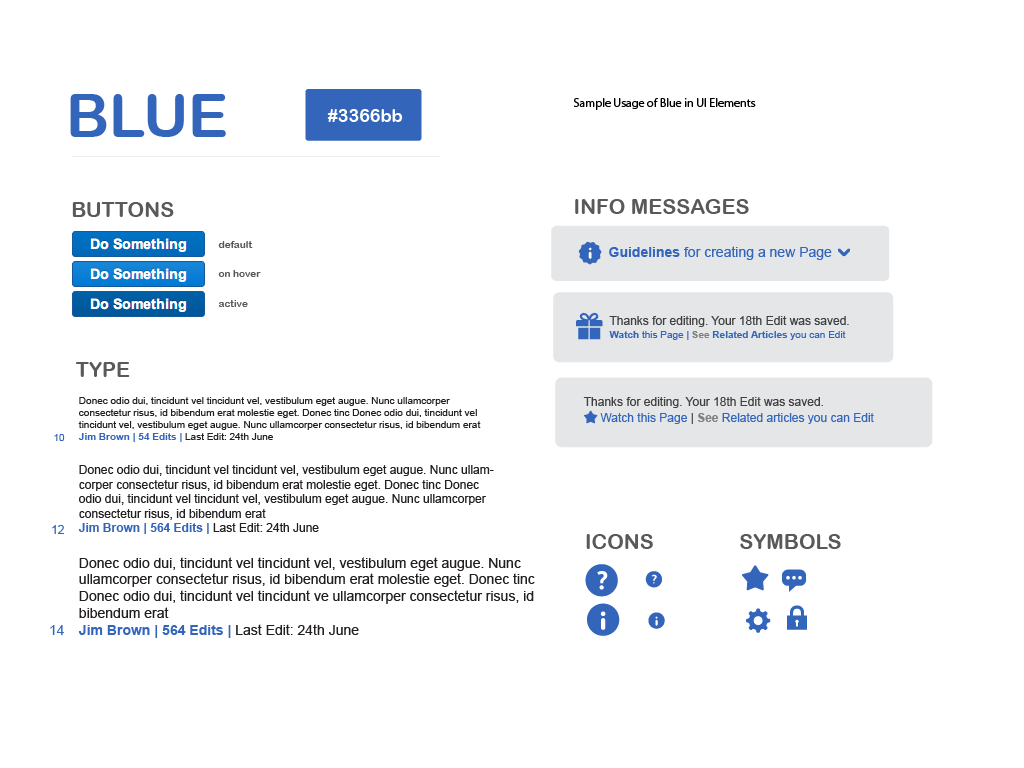
This is the foundation. It defines the visual identity and design principles of a product or brand. Think of it as the rulebook for how things should look and feel. It contains the fundamental building blocks of the design language.
A style guide typically includes the color palette, typography scales, spacing rules, grid layouts, and iconography.
2. Pattern and Component Library
This is the collection of reusable user interface (UI) elements. These are the actual building blocks designers and developers use. Instead of designing a new button for every screen, they can pull a pre-built, pre-tested button from the library. This library can include simple elements like buttons and input fields, or more complex components like navigation bars and data tables.
3. Documentation
Documentation is the instruction manual that explains how to use the system. It's the glue that holds everything together. It provides guidelines on when and how to use each component, outlines the design principles, and includes code snippets for developers. Without clear documentation, a design system is just a collection of parts with no instructions.
Comprehensive documentation is the backbone of a successful design system.
Why Bother?
Creating and maintaining a design system requires effort, but the benefits are significant, especially for larger teams and products.
Consistency: The most obvious benefit is a cohesive user experience. When all parts of a product are built from the same set of components and follow the same rules, the result feels polished, professional, and trustworthy.
Efficiency: Design systems dramatically speed up the workflow. Designers can create mockups faster by using existing components. Developers can build interfaces more quickly by using pre-coded, tested elements. This frees up the team to focus on solving bigger user problems instead of reinventing the wheel.
A design system enables a product team to create a product faster by making the design reusable.
Collaboration: A design system creates a shared language and a single source of truth for both designers and developers. This alignment reduces miscommunication and friction between teams. When a designer uses a component from the system, the developer knows exactly what it is, how it's built, and how it should behave.

By establishing a clear framework, design systems allow organizations to scale their design and development efforts without sacrificing quality or consistency. It's a foundational tool for building better products, faster.
Let's test your understanding of these core concepts.
The provided text compares a design system to a set of LEGO bricks and an instruction booklet. What does the "instruction booklet" represent in this analogy?
Which part of a design system is considered the 'single source of truth' that contains pre-built elements like buttons, forms, and navigation bars?
In short, a design system is an investment in consistency and efficiency. It provides the tools and guidelines needed to build cohesive user experiences at scale, making it an essential practice for modern product development.