Mastering Design Systems
Introduction to System Design
Starting with the Why
Before you build anything, whether it's a bookshelf or a software application, you need to know two things: who you're building it for and what problem you're solving for them. This is the heart of system design. It’s not about code or servers just yet. It's about understanding people and their needs.
First, we gather user requirements. This is a fancy term for figuring out what people actually need the system to do. It’s a detective process. You ask questions, you listen, and you observe. Do they need a way to share photos with family? Or do they need a tool to manage a million-dollar inventory? The answers shape everything that follows.
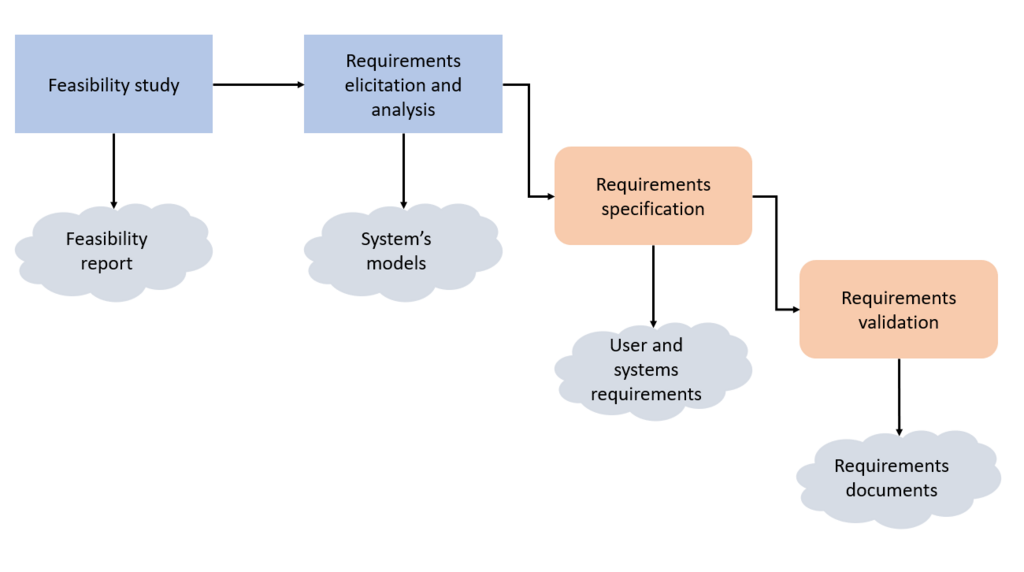
Once you understand the user's needs, you can define the system's objectives. These are clear, measurable goals. An objective isn't just "build a photo-sharing app." It's "build an app that allows users to upload a photo in under 3 seconds and share it with a private group." Clear objectives act as your north star, guiding every decision you make during the design process.
Good system design starts with empathy for the user and a clear definition of the problem you're solving.
The Blueprint for Success
With your objectives defined, you can start thinking about the structure. This is the system architecture. Think of it like the blueprint for a house. A blueprint doesn’t show you the color of the paint or the type of doorknobs. Instead, it shows you the foundation, where the rooms are, how they connect, and where the plumbing and electrical systems run.
Similarly, a system's architecture is the high-level plan. It outlines the main components of the system and how they will interact with each other. It’s the skeleton that holds everything together. A solid architecture ensures that all the individual parts work together to achieve the system's objectives. A poor architecture, on the other hand, can lead to a system that is slow, unreliable, and difficult to change.
The architecture sets the foundation for scalability and reliability. It’s where you make the big decisions that will impact the system for years to come.
Guiding Principles
To create a strong architecture, designers rely on a few time-tested principles. These aren't strict rules, but rather helpful guidelines that lead to better, more robust systems.
Modularity
noun
The practice of designing a system in which individual components can be created and updated independently.
Modularity is like building with LEGO bricks. Instead of creating one giant, monolithic block, you build your system from smaller, independent pieces. Each module has a specific job. This makes the system easier to build, test, and maintain. If one module breaks, you can fix or replace it without having to tear the whole system apart. It also means different teams can work on different modules at the same time.
Next is simplicity. This doesn't mean your system has to be basic or lack powerful features. It means the design itself should be as straightforward as possible. Unnecessary complexity is the enemy of a good system. It makes the system harder to understand, harder to debug when things go wrong, and harder to change later. A simple design is elegant and efficient.
There are mainly three design principles for maintaining software systems: Operability, Simplicity, and Evolvability.
Finally, a good system needs flexibility. The world is constantly changing. User needs evolve, business goals shift, and new technology emerges. A flexible system is designed to adapt to these changes. By using principles like modularity and keeping the design simple, you build a system that can grow and change over time without requiring a complete overhaul. This ability to evolve is what separates a short-lived system from one that stands the test of time.
Ready to test your knowledge on these foundational concepts?
According to system design principles, what are the first two things you should identify before starting to build?
Which of the following is the best example of a clear, measurable system objective for a new e-commerce website?
Understanding these core ideas—starting with user needs, creating a solid architectural blueprint, and applying principles of modularity, simplicity, and flexibility—is the first step toward designing effective and enduring systems.