Mastering Design Systems
Introduction to Design Systems
What Is a Design System?
Imagine building a complex LEGO set. You have a collection of standard bricks, gears, and figures, along with a guide on how they fit together. You don't have to create each piece from scratch; you just assemble the pre-made parts. A design system works in a very similar way for digital products like websites and apps.
Design System
noun
A collection of reusable components, guided by clear standards, that can be assembled together to build any number of applications.
At its core, a design system is a single source of truth for a product team. It contains all the elements a team needs to design and develop a product. This includes everything from colors and typography to user interface components like buttons, forms, and navigation menus. But it's more than just a box of parts; it's also the rulebook for how to use them.
The main goals are consistency and efficiency. By using a shared library of components and guidelines, teams can build better products faster, and users get a more predictable and coherent experience.
Instead of designers and developers making isolated decisions, they pull from a shared framework. This collaboration ensures that a button on one screen looks and behaves just like a button on another, creating a seamless feel across the entire product.
A design system is a collection of reusable components, guidelines, and standards that ensure consistency across a product’s design.
A Quick History
The idea of a design system isn't new. For decades, companies have used brand identity guidelines to keep their marketing materials consistent. These manuals specified exact colors, logos, and fonts to be used in print. Think of NASA's famous 1975 Graphics Standards Manual—it was a detailed rulebook for maintaining a unified visual identity.
As design moved to digital screens, these brand books evolved into style guides for websites. Early style guides were often static documents, PDF files that showed what a button or a heading should look like. They were a good start, but they didn't solve a key problem: developers still had to build every component from scratch, trying to match a picture.
With the rise of more complex applications, this disconnect between design and development became a bottleneck. The solution was to create not just pictures of components, but the actual, reusable code for them. This shift led to the modern design system, which includes both the design specifications and the functional components that developers can use directly in their work.
Core Principles
Effective design systems are built on a few foundational principles. These aren't just abstract ideas; they are practical guides that ensure the system is useful and sustainable.
Consistency: This is the most visible benefit. A consistent design feels familiar and trustworthy. Users don't have to relearn how the interface works on different pages. A button is always a button, and it always behaves the same way.
Efficiency: When designers and developers can pull pre-built, pre-tested components from a library, they don't have to reinvent the wheel for every new feature. This drastically speeds up the development process.
Scalability: As a product grows and new features are added, a design system helps manage complexity. It provides a stable foundation to build upon, ensuring that the user experience remains coherent even as the product expands.
Collaboration: The design system acts as a shared language between designers, developers, product managers, and other stakeholders. It bridges the gap between different teams, reducing miscommunication and ensuring everyone is aligned.
Role in Product Development
A design system isn't just a side project; it's a core part of the product development lifecycle. It integrates directly into how teams build and ship software.
In the early stages, it helps in rapidly creating prototypes. Because the basic building blocks are already defined, teams can focus on user flows and overall experience rather than pixel-perfect details. During development, it provides developers with robust, production-ready components, which reduces bugs and speeds up implementation.
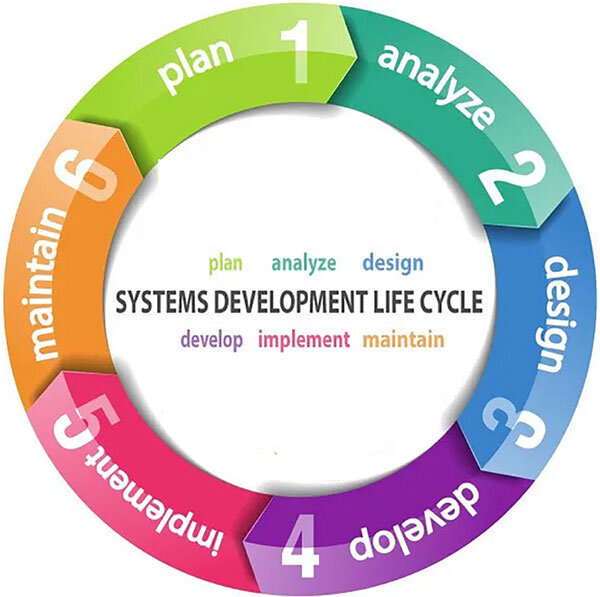
By centralizing design decisions, a design system frees up the team to focus on solving bigger, more complex problems. Instead of debating the color of a button, they can concentrate on the strategic challenges that will deliver real value to users. It turns routine design work into a system, allowing creativity to flourish where it matters most.
Ready to test your knowledge? Let's see what you've learned about the fundamentals of design systems.
What is the primary role of a design system in product development?
Which of the following best describes the evolution from static style guides to modern design systems?
By establishing a shared foundation, design systems enable teams to create cohesive and high-quality user experiences with greater speed and less effort.