Mastering Design Systems
Introduction to Design Systems
What Is a Design System?
Think of a design system as the ultimate instruction manual for a brand's digital presence. It's not just a collection of design assets; it's a centralized, single source of truth that groups all the elements teams need to design, build, and develop a product.
A design system is a comprehensive set of guidelines, components, and tools that ensure consistency and cohesiveness across a company’s digital products and services.
Imagine trying to build a complex Lego model without the instruction booklet or with pieces from a dozen different sets. You might end up with something, but it would likely be inconsistent and fragile. A design system provides the right pieces (components) and the instructions (guidelines) so everyone on the team can build together, effectively and coherently.
Its main purpose is to solve the common problems that arise as a company grows. When multiple teams work on different products or features, inconsistencies creep in. Buttons look different, user flows don't match, and the overall user experience feels disjointed. A design system tackles this by creating a shared language and a standardized toolkit for the entire organization.
The Core Components
A design system is built on a few key pillars. While each organization's system is unique, they generally include the same foundational elements.
Design Principles: These are the high-level guidelines that articulate the system's goals and philosophy. They act as a compass, helping team members make consistent decisions. For example, a principle might be "Clarity over clutter" or "Accessible to everyone."
Principles answer the "why" behind design choices. They are the foundation upon which everything else is built.
UI Components: These are the tangible, reusable building blocks of the user interface. Think of buttons, form fields, icons, and navigation bars. Each component is a pre-built, tested piece of code and design that can be quickly assembled to create new pages and features.
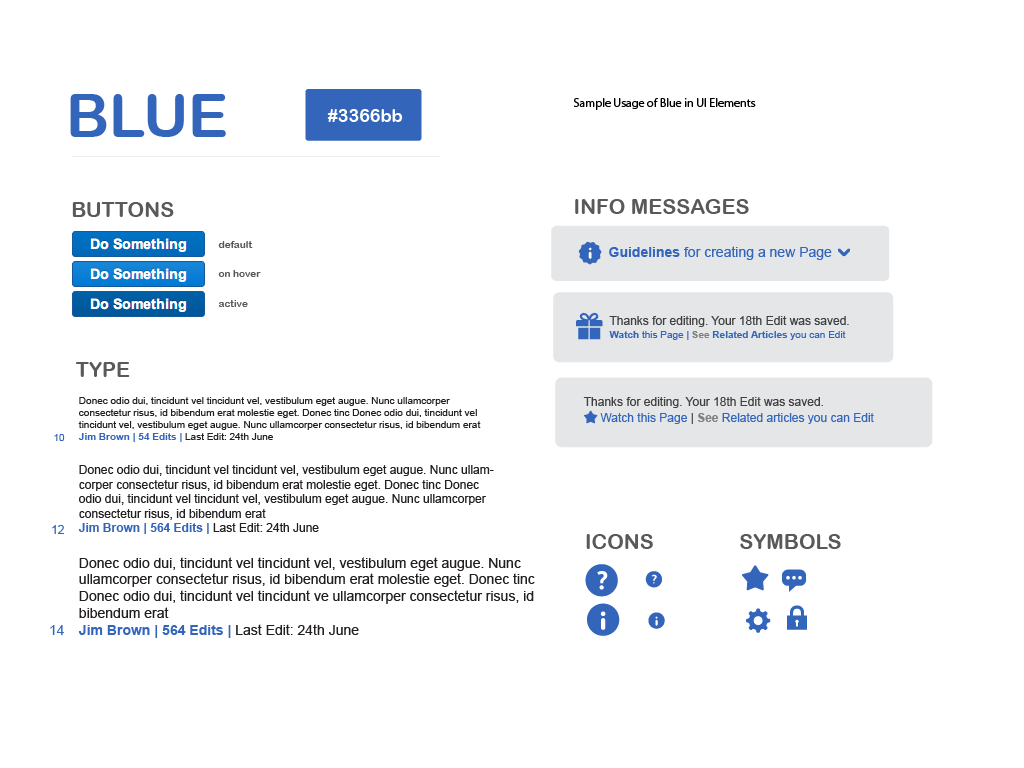
This library of components is the heart of the design system's efficiency. Instead of building a button from scratch every time, a developer can just grab the standard one from the system.
Guidelines and Patterns: This is the rulebook that explains how to use the principles and components. It includes detailed instructions on typography, color palettes, spacing, and tone of voice. It also documents patterns, which are best-practice solutions for common user experience challenges, like how a user logs in or searches for content.
The Big Payoff
Implementing a design system requires effort, but the benefits are substantial and impact the entire organization.
Consistency: When all products are built from the same set of components and guidelines, the user experience becomes seamless and predictable. This builds trust and makes products easier to learn and use.
A user shouldn't have to learn a new set of rules for each part of your application. A design system ensures a consistent look, feel, and behavior everywhere.
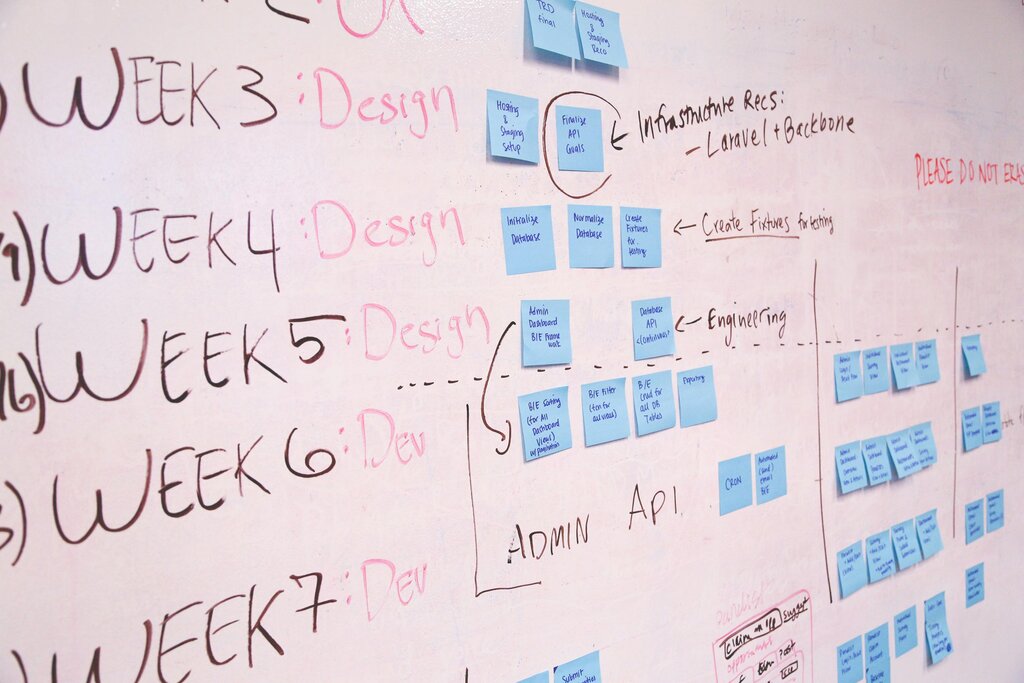
Efficiency: Teams can build and ship products much faster. Designers can create mockups quickly using established components, and developers can implement them using pre-built, tested code. This frees up the team to focus on solving complex user problems instead of reinventing basic UI elements.
The time saved on routine tasks translates directly into more time for innovation.
Collaboration: A design system creates a shared vocabulary that unites designers, developers, product managers, and other stakeholders. It acts as the bridge between different disciplines, reducing friction and misunderstandings.
When everyone is working from the same playbook, communication becomes clearer and collaboration becomes more effective. This leads to better products and healthier teams.
What is the primary purpose of a design system in a growing organization?
In a design system, the 'Principles' answer the 'why' behind design choices, while the 'Component Library' provides the 'what'.
Ultimately, a design system is an investment in quality and scalability. It provides the structure needed to build better products, faster, with a unified team.