Mastering Design Systems
Introduction to Design Systems
What Is a Design System?
Imagine building a house. You could make every single brick by hand, inventing the size and shape as you go. Or, you could use a set of standard, pre-made bricks that all fit together perfectly. The second approach is faster, more consistent, and much easier to scale. A design system is like that set of standard bricks for digital products.
Design System
noun
A collection of reusable components, guided by clear standards, that can be assembled together to build any number of applications.
It's a library of components, a rulebook for how to use them, and the philosophy behind why they exist. This system becomes the single source of truth for an entire team. It ensures that everyone, from designers to engineers to product managers, is speaking the same language and working from the same playbook.
Why Bother With a System?
Creating a product without a design system can lead to chaos. Different teams might create slightly different-looking buttons, use inconsistent colors, or write in conflicting tones. Over time, the product feels disjointed and becomes difficult to maintain. A design system solves these problems by providing a shared foundation.
The main goals are to increase efficiency and create a more consistent user experience. When a designer or developer needs to build a new feature, they don't have to start from scratch. They can pull ready-made, pre-approved components from the library and assemble them like building blocks.
This speeds up the development process dramatically. It also bridges the gap between design and engineering. Because the system includes not just visual designs but also the code for each component, it eliminates guesswork and reduces the back-and-forth communication that can slow projects down.
Using Design Systems and Style Guides: Design systems and style guides provide a set of standards for design and code, ensuring consistency across the project.
The Building Blocks
A design system isn't just one thing; it's a collection of interconnected parts. While the specifics can vary, most mature systems contain a few key components that work together.
| Component | Description |
|---|---|
| Design Principles | The core philosophy. These are the high-level goals that guide the system's design choices. For example, a principle might be "Simple" or "Accessible." |
| Style Guide | The visual identity of the brand. This includes the color palette, typography rules, icon sets, and spacing guidelines. These are often stored as "design tokens"—tiny, reusable pieces of data. |
| Component Library | A collection of reusable UI elements. This is the practical toolkit, containing things like buttons, menus, form fields, and cards. Each component is designed and coded to be used across the product. |
| Patterns | Best-practice solutions for common user flows. This could include patterns for user onboarding, data entry, or navigating a complex page. |
| Documentation | The instruction manual. It explains how to use the components and patterns correctly, with guidelines on accessibility, voice, and tone. |
These elements create a comprehensive toolkit that supports the entire product development lifecycle.
A Single Source of Truth
Ultimately, a design system serves as the central hub for a company's product identity. It's a living resource that evolves with the product and the brand. When a change is needed—say, updating the primary brand color—it can be done in one place, and that change will propagate across all products that use the system.
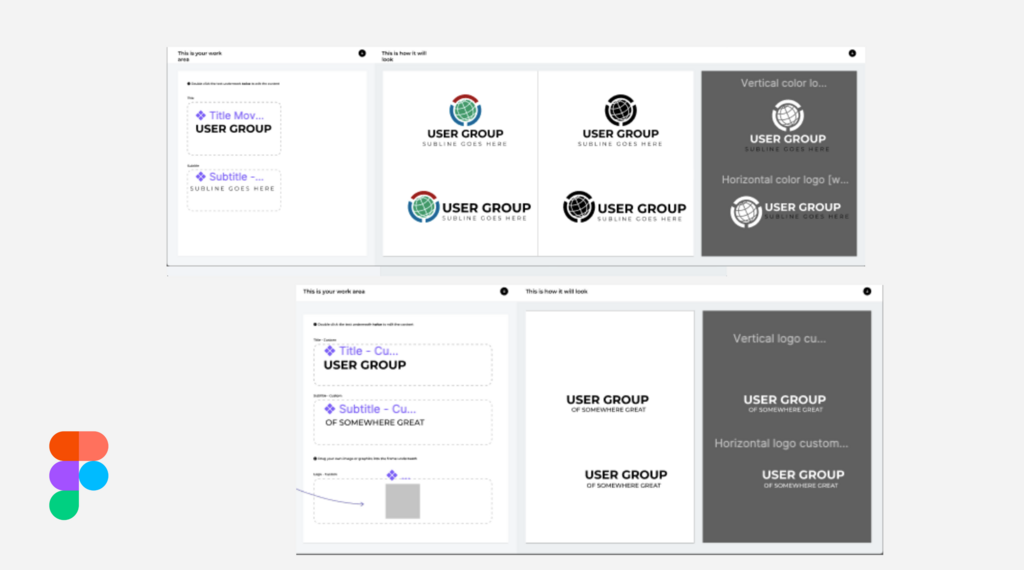
This keeps the user experience coherent and maintains brand integrity, no matter how large the company or how many different teams are building products. By establishing a shared language and set of tools, design systems empower teams to build better, faster, and more cohesively.
Ready to check your understanding?
According to the 'house building' analogy, what do the 'standard, pre-made bricks' represent in the context of a design system?
Which of the following is NOT a direct benefit of implementing a design system?
By creating a shared library of components and rules, teams can focus more on solving complex user problems and less on reinventing basic interface elements. It’s a foundational tool for creating high-quality digital products at scale.