Mastering DeFi Protocol Engineering
Introduction to DeFi
Finance Without the Middleman
Imagine sending money to a friend overseas. You probably use a bank or a service like PayPal. These companies act as trusted middlemen, verifying the transaction and moving the funds. This process works, but it can be slow, expensive, and controlled by a central authority.
Decentralized Finance, or DeFi, offers a different path. It's a new financial system built on blockchain technology—the same secure, shared ledger that powers cryptocurrencies like Bitcoin and Ethereum. DeFi aims to recreate traditional financial services like lending, borrowing, and trading, but without the need for central intermediaries. Instead of relying on a bank, the rules are written in code and executed automatically.
Decentralized Finance (DeFi) platforms use blockchain to offer financial services without traditional intermediaries.
This means you have direct control over your assets. The entire system is open, permissionless, and transparent, available to anyone with an internet connection. It’s like an open-source version of Wall Street.
How It Works
DeFi runs on two key technologies: smart contracts and decentralized applications (DApps).
Smart Contract
noun
A self-executing contract with the terms of the agreement directly written into code. The code and the agreements contained therein exist across a distributed, decentralized blockchain network.
Think of a smart contract like a high-tech vending machine. With a regular vending machine, you insert money, press a button, and the machine automatically dispenses your snack. There's no need for a cashier. A smart contract works similarly: it's a program that runs on a blockchain and automatically executes when specific conditions are met. These conditions are baked into its code, making the process transparent and irreversible. Once a smart contract is deployed on the blockchain, it can't be tampered with.
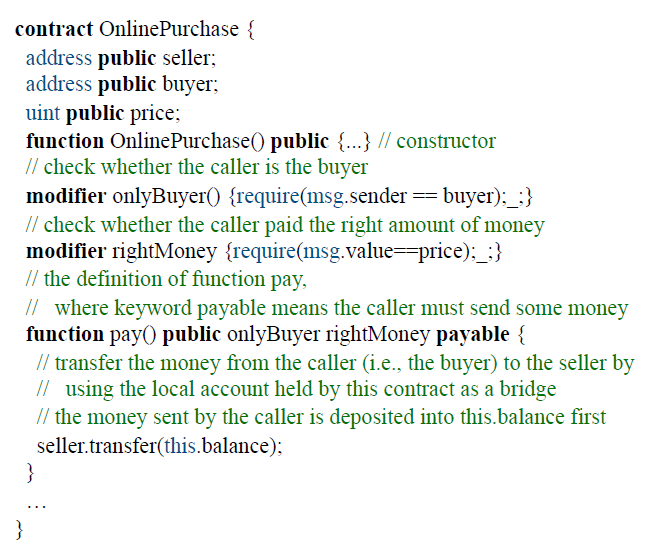
Decentralized applications, or DApps, are the user interfaces that let us interact with these smart contracts. If a smart contract is the engine, the DApp is the dashboard. They look and feel like the apps on your phone, but their backend logic is powered by a network of computers rather than a single company's servers. This is what makes them decentralized.
DeFi vs. Traditional Finance
Why are people excited about DeFi? It offers several key advantages over the traditional financial system.
Accessibility: Anyone can access DeFi services without needing approval from a central authority. All you need is a crypto wallet and an internet connection.
Transparency: Since most DeFi applications are built on public blockchains, all transaction activity is visible to anyone. This creates a more transparent financial system.
Composability: DeFi protocols are open-source and can be combined like building blocks. Developers can freely build on top of existing applications to create new and innovative financial products. This is often called "money legos."
Here's a quick comparison:
| Feature | Traditional Finance (TradFi) | Decentralized Finance (DeFi) |
|---|---|---|
| Control | Custodial (banks hold your funds) | Non-custodial (you control your funds) |
| Accessibility | Requires permission, ID, and bank account | Open to anyone with an internet connection |
| Transparency | Opaque, internal ledgers | Transparent, public blockchain |
| Operations | Office hours, manual processing | 24/7, automated by code |
| Innovation | Slow, permissioned | Rapid, open-source |
Navigating the Risks
While DeFi is powerful, it's also a new and experimental field with its own set of risks. The technology is still evolving, and it's important to be cautious.
Smart Contract Vulnerabilities: Bugs or flaws in the code of a smart contract can be exploited by hackers, potentially leading to a loss of funds. Because transactions on the blockchain are irreversible, stolen funds are often impossible to recover.
Market Volatility: The value of cryptocurrencies can swing wildly. Since most DeFi applications are built around these assets, they are subject to the same price volatility. This makes DeFi a higher-risk environment than traditional finance.
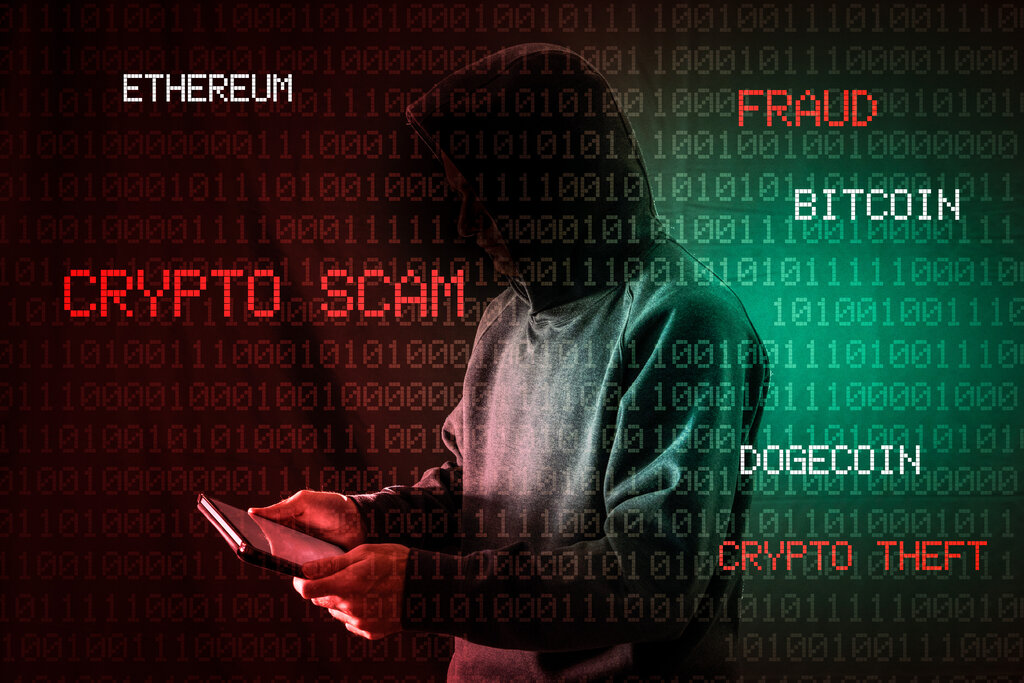
User Responsibility: In DeFi, you are your own bank. This gives you freedom, but it also means you're responsible for managing your own security. Losing your private keys or falling for a scam could mean losing your assets forever, with no central authority to help you.
Now that you have a grasp of the fundamentals, let's test your knowledge.
What is the primary goal of Decentralized Finance (DeFi)?
In the context of DeFi, what is a 'smart contract'?
DeFi is rebuilding the financial system on an open, permissionless foundation. By understanding its core components, advantages, and risks, you're better equipped to explore this innovative landscape.