Mastering Deep Work and Executive Focus
Biological Focus Mechanics
The Brain's Control Tower
Your ability to focus on a single task, ignore distractions, and plan your next move is managed by the (PFC). Located at the very front of your brain, it acts as the chief executive of your cognitive operations. It doesn't just store information; it actively juggles it, prioritising what needs attention now and suppressing what doesn't. This process is part of a suite of skills called executive functions.
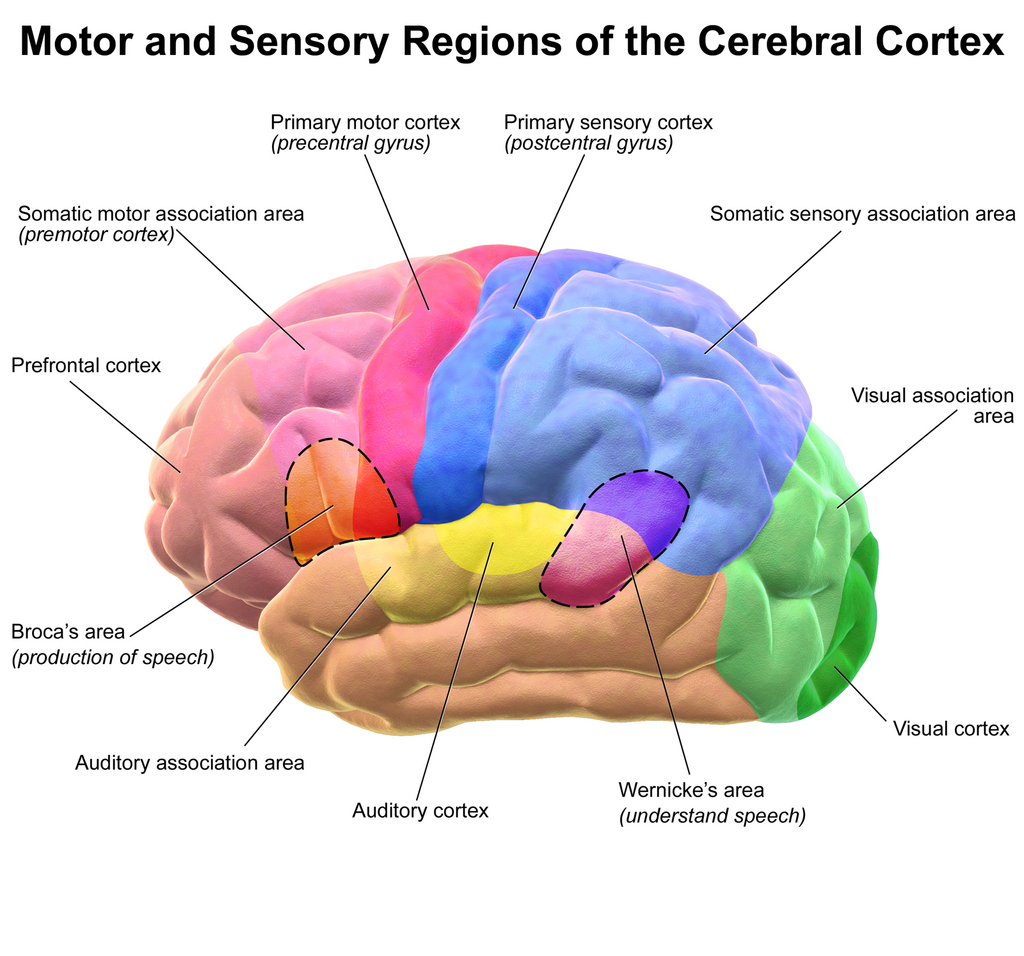
When you decide to focus on a report instead of checking your phone, that's your PFC at work. It's the part of your brain that aligns your actions with your long-term goals. But this control tower doesn't operate in a vacuum. It's heavily influenced by a constant flow of chemical messengers.
The Dopamine Carrot
One of the most powerful chemical messengers is , a neurotransmitter famous for its role in pleasure and reward. Your brain releases dopamine not just when you complete a big project, but also when you anticipate a reward. Checking social media, reading a new email, or even just thinking about a more interesting task can trigger a small dopamine hit. This creates a powerful reward loop.
Your brain learns that switching tasks provides a quick, easy reward. The challenging, long-term task you're trying to focus on? Its dopamine payoff is much further away.
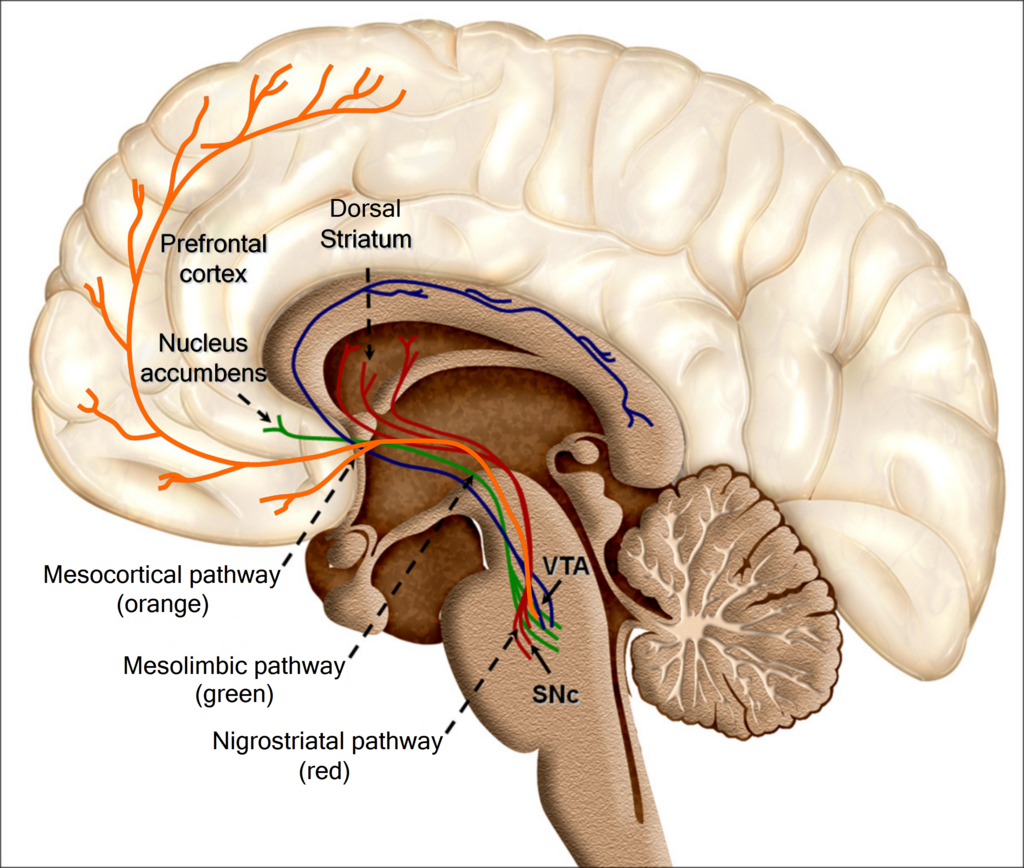
This system makes our brains naturally novelty-seeking. A notification is a signal of something new and potentially rewarding, making it biochemically difficult to ignore. Your PFC has to actively fight this dopamine-driven urge to switch tasks. This constant battle isn't just mentally tiring; it has a real physiological cost.
The High Cost of Switching
Every time you switch your attention from one task to another, you incur a cognitive cost. This isn't just about the few seconds it takes to reorient yourself. Part of your brain remains stuck on the previous task, a phenomenon known as "attention residue." This residue clogs up your working memory, reducing your cognitive capacity for the new task. The result is shallower thinking, more errors, and increased stress.
This pattern of frequent switching doesn't just affect your performance in the moment. Thanks to , the brain's ability to reorganise itself, these habits can become ingrained. The neural pathways associated with distraction and rapid task-switching are strengthened, while the circuits for sustained attention can weaken. In effect, you can train your brain to be more distractible.
The key is working with (not against) your ADHD brain, and combining the specific factors that help your focus flourish.
Sustained attention, then, is a biological skill. It relies on the prefrontal cortex successfully managing executive functions while regulating the dopamine-driven impulse for novelty. It requires creating an environment that minimises the triggers for context switching, allowing the neural pathways for deep focus to fire without interruption.
What is the primary role of the prefrontal cortex (PFC) in cognitive operations?
According to the text, why is it biochemically difficult to ignore a notification on your phone?