Mastering Decision Making
Decision-Making Foundations
The Heart of Every Action
Decision-making is the process of choosing a course of action from a set of alternatives. It sounds simple, but it's something we do constantly, from picking what to eat for breakfast to making major career moves. Every choice, big or small, shapes our path.
Good decision-making isn't about always being right. It's about having a clear process to evaluate your options and select the one that best aligns with your goals. Developing this skill helps you navigate challenges with more confidence and clarity, both at work and in your personal life. It turns uncertainty into a series of manageable steps.
A Framework for Choice
When you're faced with a tough choice, it's easy to feel stuck. A structured process can help you move forward. Think of it as a map for your thoughts. While every decision is unique, most can be broken down into a few core steps.
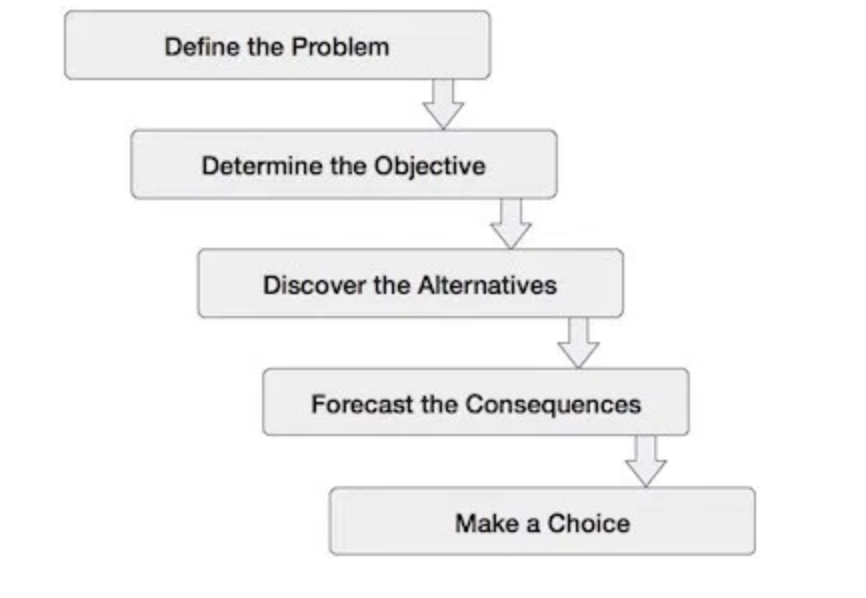
First, clearly define the problem or the goal. What exactly are you trying to achieve or solve? An unclear goal leads to a confusing decision. If you're choosing a new laptop, is your main goal portability, processing power, or price? Be specific.
Next, gather information. This doesn't mean you need to know everything, but you should collect key details relevant to your decision. Look at laptop reviews, compare specs, and check prices. The goal is to be informed, not overwhelmed.
With information in hand, identify your alternatives. What are your real options? List them out. Maybe it's between three specific laptop models, or perhaps one option is to repair your current one.
Now, evaluate those alternatives. Weigh the pros and cons of each option against the goal you set in the first step. A simple table can be helpful here. Which option gets you closest to your goal with the fewest downsides?
Finally, make a choice and act on it. A decision without action is just an idea. Once you've made your pick, move forward with it.
Define the Goal → Gather Information → Identify Alternatives → Evaluate Options → Make a Choice
Common Roadblocks
Even with a good process, making decisions can be hard. Certain challenges pop up frequently.
Sometimes, you have too little information. This creates uncertainty and can make you feel like you're guessing. On the flip side, you can have too much information. This leads to "analysis paralysis," where you get so bogged down in details that you never make a choice.
Emotions can also cloud your judgment. Making a big decision when you're feeling overly stressed, excited, or fearful can lead to choices you later regret. It's often wise to wait until you feel calm and level-headed.
Another common trap is spending too much mental energy on low-stakes decisions. The amount of time and effort you spend on a choice should match its importance. Agonizing over which brand of toothpaste to buy isn't a great use of your decision-making power.
Strategies for Better Decisions
Knowing the challenges is the first step to overcoming them. A few simple strategies can make a big difference.
To avoid analysis paralysis, set a deadline. Give yourself a specific amount of time to gather information and make a choice. This forces you to focus on what's most important and move forward.
Discussing your decision with a trusted friend or mentor can provide a valuable outside perspective. They might see an angle you missed or ask a question that clarifies your thinking. Just explaining your options out loud can often make the best path clearer.
Think about the long-term impact. How will this choice affect you a week, a month, or a year from now? This helps you prioritize what truly matters over short-term comfort or inconvenience. Finally, learn to trust your intuition, but don't rely on it alone. Your gut feeling is often based on past experiences, but it's always a good idea to check it against the facts you've gathered.
Finding ways to cut through the complexity of difficult challenges and reduce them to their essence can be essential to good decision-making.
Ready to test what you've learned about the fundamentals of decision-making?
What is the main goal of a structured decision-making process?
According to the described process, what is the crucial first step you should take when facing a decision?
Making good decisions is a skill, and like any skill, it improves with conscious practice. By using a clear process and being aware of common challenges, you can approach choices with more confidence and achieve better outcomes.