Mastering Day Trading From Scratch
Financial Markets Basics
Where Trading Happens
At its heart, a financial market is just a place where buyers and sellers meet to trade assets. Think of a farmer's market, but instead of apples and cheese, people are trading stocks, bonds, and other financial instruments. The most famous of these are stock exchanges.
A stock exchange is an organized and regulated market where securities are bought and sold. It provides a platform for companies to raise capital and for investors to trade those securities.
Exchanges like the New York Stock Exchange (NYSE) or Nasdaq provide the infrastructure for these trades to happen efficiently and fairly. In the past, this meant a physical trading floor crowded with people shouting orders. Today, most trading is done electronically, connecting buyers and sellers from around the world in an instant.
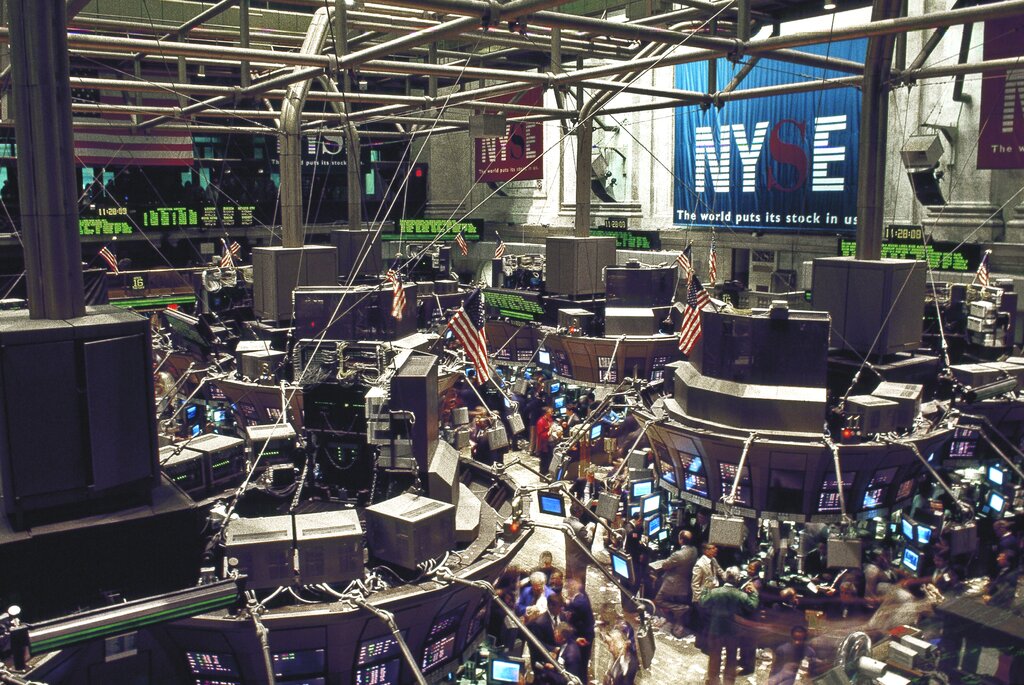
The main job of an exchange is to ensure liquidity. This means making sure that you can buy or sell an asset quickly without causing a drastic change in its price. When you place a trade, the exchange matches your order with someone else's. If you want to buy 10 shares of a company, the exchange finds someone willing to sell 10 shares.
The Key Players
A market is more than just a location; it's a network of participants, each with a different role. Understanding who they are helps you understand the market's dynamics.
-
Issuers: These are the companies or governments that create and sell securities to raise money. A company might issue stock to fund expansion, while a government issues bonds to finance public projects.
-
Investors & Traders: These are the buyers and sellers. While the terms are often used interchangeably, investors typically buy assets for long-term growth. Traders, on the other hand, aim to profit from shorter-term price movements. As an aspiring day trader, you fall into this category.
-
Intermediaries: These are the connectors. They facilitate the trades between buyers and sellers. Your broker is a perfect example.
Broker
noun
A firm or individual that acts as an agent, executing buy and sell orders on behalf of investors and traders in exchange for a fee or commission.
- Regulators: These are the referees. Government agencies like the Securities and Exchange Commission (SEC) in the U.S. set the rules for the market. Their job is to protect investors, maintain fair and orderly markets, and prevent fraud.
What Gets Traded
A financial instrument is simply a contract that gives rise to a financial asset for one party and a financial liability or equity instrument for another. It's the 'what' of trading. Here are a few of the most common types you'll encounter.
| Instrument | Description | Primary Use |
|---|---|---|
| Stocks | A share of ownership in a publicly traded company. | Long-term investment, short-term trading. |
| Bonds | A loan made by an investor to a borrower (like a company or government). | Income generation, lower-risk investment. |
| ETFs | Exchange-Traded Funds. A basket of assets (like stocks or bonds) that trades like a single stock. | Diversification, tracking a market index. |
| Forex | Foreign Exchange. The market for trading one currency for another. | Speculating on currency value changes. |
| Futures | A contract to buy or sell an asset at a predetermined future date and price. | Hedging risk, speculating on price movements. |
Each of these instruments behaves differently and is traded for different reasons. As a day trader, you will likely focus on instruments with high liquidity and volatility, such as stocks, ETFs, and forex, as they offer more opportunities for short-term price movement.
Understanding the instrument you're trading is as important as understanding the market it trades in.
With these basics in place, you have a foundation for understanding how markets operate. Now, let's test your knowledge.