Mastering DataOps
Introduction to DataOps
What is DataOps?
Data teams often struggle to keep up. Business users want insights now, but creating reliable data pipelines and analytics takes time. It's a process filled with manual steps, errors, and long waits. This friction between the speed of business and the pace of data work is a common problem.
DataOps is a methodology designed to solve this problem. It borrows ideas from software development—specifically from DevOps and Agile methodologies—and applies them to the entire data lifecycle. The goal is simple: to shorten the development cycle of data analytics while improving its quality and reliability.
Think of it as an assembly line for data analytics. DataOps automates the process, adds quality checks at every step, and enables collaboration between all the people involved.
DataOps has emerged to achieve life-cycle automation of data processes using DevOps principles.
Core Principles
DataOps is guided by a set of principles that transform how data teams work. The most important ones focus on automation, collaboration, and continuous improvement.
First is automation. The aim is to automate every step possible in the data pipeline, from pulling data from sources to testing its quality and deploying analytics to users. Automation reduces manual errors, frees up data professionals to focus on higher-value work, and drastically speeds up the entire process.
Next is collaboration. Traditional data teams often work in silos. Data engineers, data analysts, data scientists, and operations staff have separate roles and hand-offs are slow. DataOps brings these roles together into a single, cohesive team. They share responsibility for the entire data lifecycle, from raw data to the final insight.
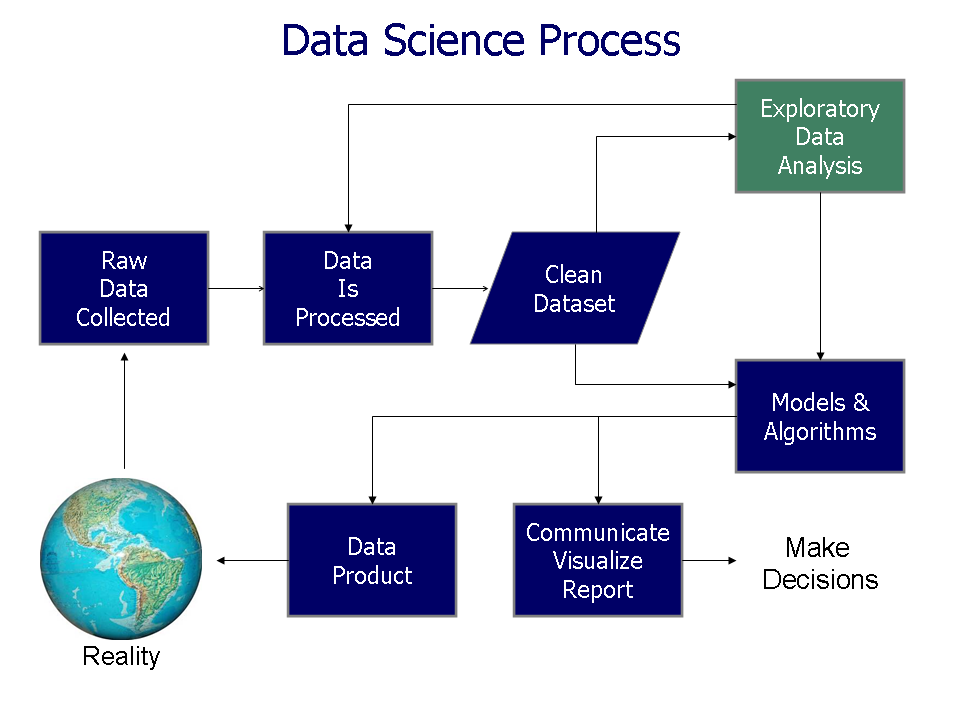
Finally, DataOps embraces continuous monitoring and testing. Instead of waiting for a business user to report that a dashboard is broken, DataOps teams proactively monitor their data pipelines. They build automated tests that check data quality at every stage. If a problem is detected, the team is alerted immediately, allowing them to fix issues before they impact decision-making.
DataOps vs. Traditional Methods
The shift from traditional data management to DataOps represents a fundamental change in mindset, process, and tools. The old way was often slow, brittle, and reactive. The new way is fast, robust, and proactive.
| Feature | Traditional Data Management | DataOps |
|---|---|---|
| Process | Waterfall (long, sequential phases) | Agile (short, iterative cycles) |
| Team Structure | Siloed (separate teams) | Cross-functional (one team) |
| Deployment | Manual, infrequent | Automated, frequent |
| Testing | Manual, at the end of the process | Automated, continuous |
| Focus | Stability and control | Speed, quality, and collaboration |
In a traditional model, a project might take months to go from request to delivery. With DataOps, teams can deliver new analytics and updates in days or even hours. This speed allows organizations to react quickly to changing market conditions and make better, faster decisions.
Why It Matters
Implementing DataOps is more than just a technical upgrade; it's a strategic business decision. In a world where data is a key asset, the ability to process and analyze it efficiently is a major competitive advantage.
Organizations that adopt DataOps see significant benefits. They experience fewer errors in their data, which builds trust among business users. They can deliver insights much faster, enabling more agile decision-making. And by fostering a culture of collaboration, they break down the barriers that slow innovation.

Ultimately, DataOps helps organizations become truly data-driven. It provides the framework to ensure that high-quality data is consistently and reliably delivered to the people who need it, when they need it.
Now, let's test your understanding of these core concepts.
What is the primary problem that DataOps aims to solve?
DataOps borrows its core ideas from DevOps and Agile methodologies.
By applying principles from software development to data, DataOps provides a path for organizations to get more value from their data, faster and more reliably than ever before.