Mastering Data Types in Analytics
Structured Data
The Orderly World of Data
Structured data is information that follows a clear, predefined format. Think of a spreadsheet. Each column has a specific title, like 'Name', 'Email', or 'Purchase Date', and every row represents a single record. You know exactly what kind of information to put in each cell, and you know what to expect when you look at it.
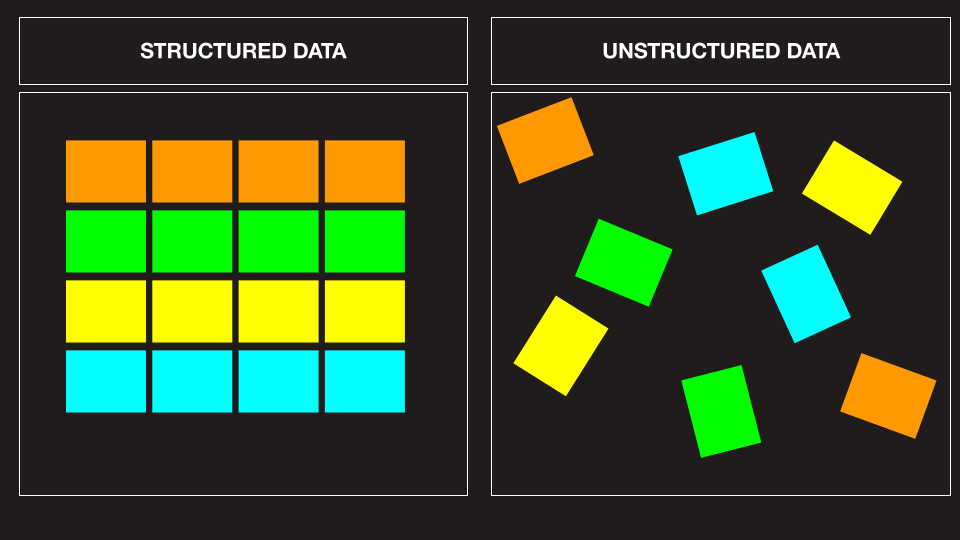
This organization is possible because structured data adheres to a data model or schema. The schema is the blueprint that defines how the data is organized, what it's called, and what format it should be in. For example, a schema might dictate that a 'Phone Number' field must contain exactly 10 digits and that a 'CustomerID' field must be a unique integer.
The key takeaway is consistency. In structured data, every record follows the same set of rules.
The Advantages of Order
This rigid organization brings major benefits. First, it's incredibly efficient to work with. Because the format is predictable, computers can quickly search, sort, and analyze the data. This is why databases that store structured data are so fast and powerful.
Querying this data is straightforward. Languages like SQL (Structured Query Language) are designed specifically to interact with structured data, allowing users to retrieve precise information with just a few lines of code. For example, you could ask a database to pull up all customers from a specific zip code who made a purchase in the last month, and get an answer almost instantly.
Furthermore, maintaining data quality is much simpler. The schema acts as a gatekeeper, enforcing rules that prevent incorrect or messy data from being entered. This ensures the information remains reliable and useful for analysis and decision-making.
Structured Data in Action
You encounter structured data every day. It's the backbone of countless systems that require organization and efficiency. A classic example is a relational database, which stores information in interconnected tables.
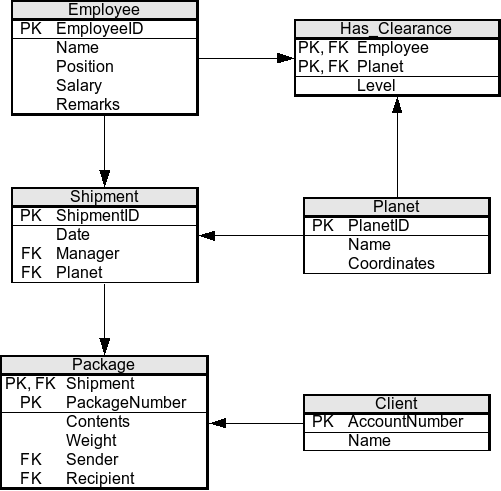
Consider an online store's inventory management system. Each product has a set of attributes that fit neatly into a table:
| ProductID | ProductName | Price | Quantity |
|---|---|---|---|
| 101 | Hiking Boots | $129.99 | 50 |
| 102 | Camping Tent | $249.50 | 25 |
| 103 | Water Bottle | $19.95 | 120 |
In finance, every bank transaction is a piece of structured data. It includes a transaction ID, account number, date, amount, and transaction type (deposit, withdrawal, etc.). This strict format allows banks to process millions of transactions accurately and securely every day.
Other common use cases include airline reservation systems, point-of-sale systems in retail stores, and HR databases that store employee information. In all these cases, the data must be organized, searchable, and consistent.
What is the defining characteristic of structured data?
Which of the following is a classic example of a system that relies heavily on structured data?
Structured data's predictable format makes it the foundation for many of the world's most critical applications.