Mastering Daily Meditation for Stress Relief
Understanding Stress
What Is Stress?
Stress is your body's natural response to a challenge or demand. Imagine you're walking in the woods and see a bear. Your heart pounds, your breathing quickens, and your muscles tense up. This is the classic "fight-or-flight" response, a survival mechanism designed to help you handle immediate danger.
This reaction is triggered by a flood of hormones, like adrenaline and cortisol, that prepare your body for action. In the short term, this is incredibly helpful. The problem arises when this system doesn't shut off.
Stressor
noun
Anything that causes the release of stress hormones.
In modern life, stressors are less about physical threats and more about persistent worries: work deadlines, traffic jams, financial concerns. Your body can react to these ongoing pressures the same way it reacts to a bear, leading to a state of constant activation known as chronic stress.
The Body Under Pressure
When the fight-or-flight response stays on, the continuous exposure to stress hormones, particularly cortisol, can disrupt nearly all of your body's processes. This puts you at increased risk for numerous health problems.
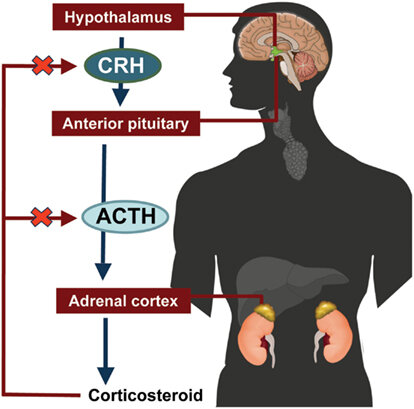
Chronic stress can suppress your immune system, making you more susceptible to infections. It can upset your digestive system, leading to issues like stomach pain or acid reflux. Over time, it can also contribute to more serious conditions like high blood pressure, heart disease, and diabetes. You might also experience physical symptoms like headaches, muscle tension, and fatigue.
The Mind on Overload
Stress doesn't just affect your body; it takes a significant toll on your mind. Living in a constant state of high alert can leave you feeling anxious, irritable, and overwhelmed. It can be difficult to concentrate, make decisions, or remember things.

Psychologically, chronic stress can lead to a lack of motivation or focus, feelings of sadness or depression, and changes in sleep patterns. You might find yourself withdrawing from social activities or struggling to relax. This mental exhaustion is a direct result of your brain being overworked by the stress response.
Long-term exposure to stress hormones can be more harmful to your physical health in the long run than the occasional high-stress event.
Why Stress Management Matters
Understanding the impact of chronic stress is the first step toward taking control of it. Managing stress isn't about eliminating it entirely—challenges are a part of life. Instead, it's about learning how to turn off the fight-or-flight response when it's not needed.
Stress management was developed and premised on the idea that stress is not a direct response to a stressor but rather an individual's resources and abilities to cope and mediate the stress response which are amenable to change, thus allowing stress to be controllable.
By developing healthy coping mechanisms, you can prevent stress from accumulating and protect both your physical and mental health. This allows you to navigate life's challenges more effectively without letting them compromise your well-being.
Now, let's review what we've learned about stress.
What is the primary function of the "fight-or-flight" response?
When stress becomes chronic, the continuous exposure to which hormone is particularly disruptive to the body's processes?
Learning to recognize the signs of chronic stress in your body and mind is a crucial skill for maintaining long-term health.