Mastering Daily Meditation for Stress Reduction
Understanding Stress
The Body on High Alert
Stress is your body's natural response to a challenge or demand. When you perceive a threat, whether it's a looming deadline or a near-miss in traffic, your nervous system kicks into high gear. This is often called the "fight-or-flight" response.
Your brain's hypothalamus sets off an alarm system. This prompts your adrenal glands to release a surge of hormones, including adrenaline and cortisol. Adrenaline increases your heart rate, elevates your blood pressure, and boosts energy supplies. Cortisol, the primary stress hormone, increases sugars in the bloodstream and enhances your brain's use of glucose.
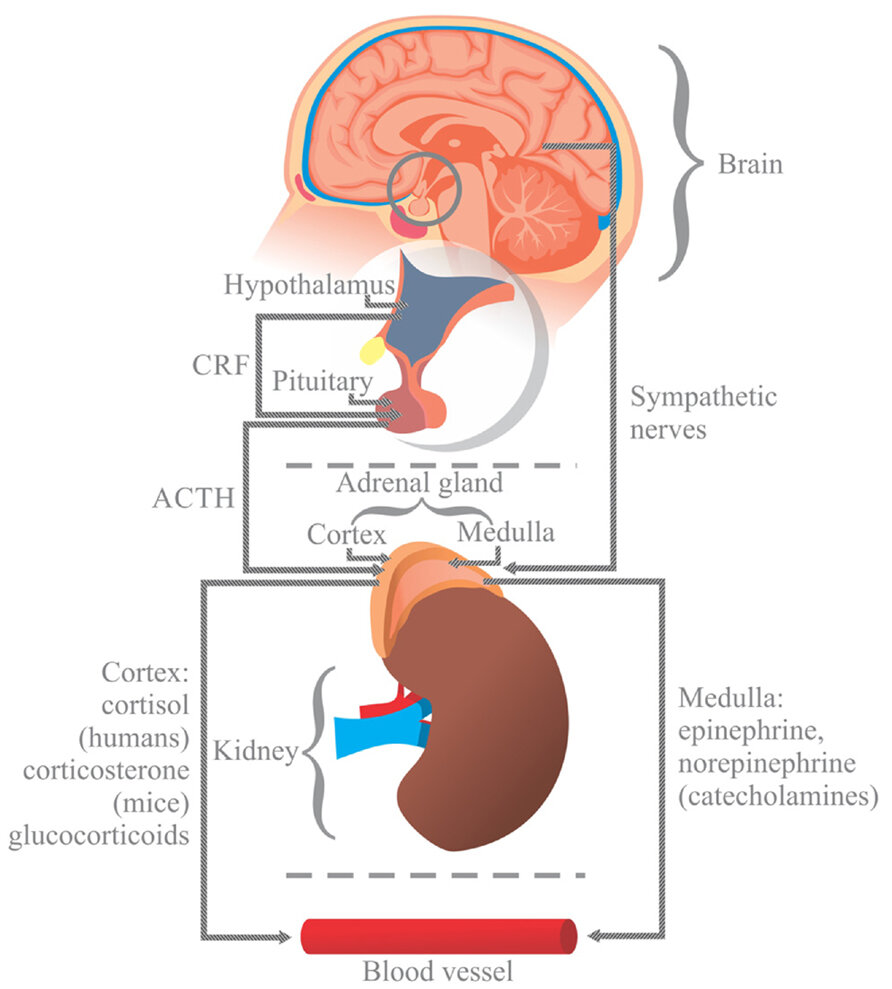
This response is designed to help you handle the stressful situation. It sharpens your senses, quickens your reaction time, and prepares your body for intense physical exertion. In the short term, this is incredibly useful. It's what helps you slam on the brakes to avoid an accident or find the focus to finish a project on time.
When Stress Sticks Around
The problem isn't the stress response itself, but what happens when it doesn't turn off. This is known as chronic stress. While acute, short-term stress is a normal part of life, chronic stress happens when the sources of stress are constant and you feel you have little control.
When your body is in a continuous state of fight-or-flight, the ongoing flood of cortisol and other stress hormones can disrupt almost all your body's processes. This puts you at increased risk for numerous health problems.
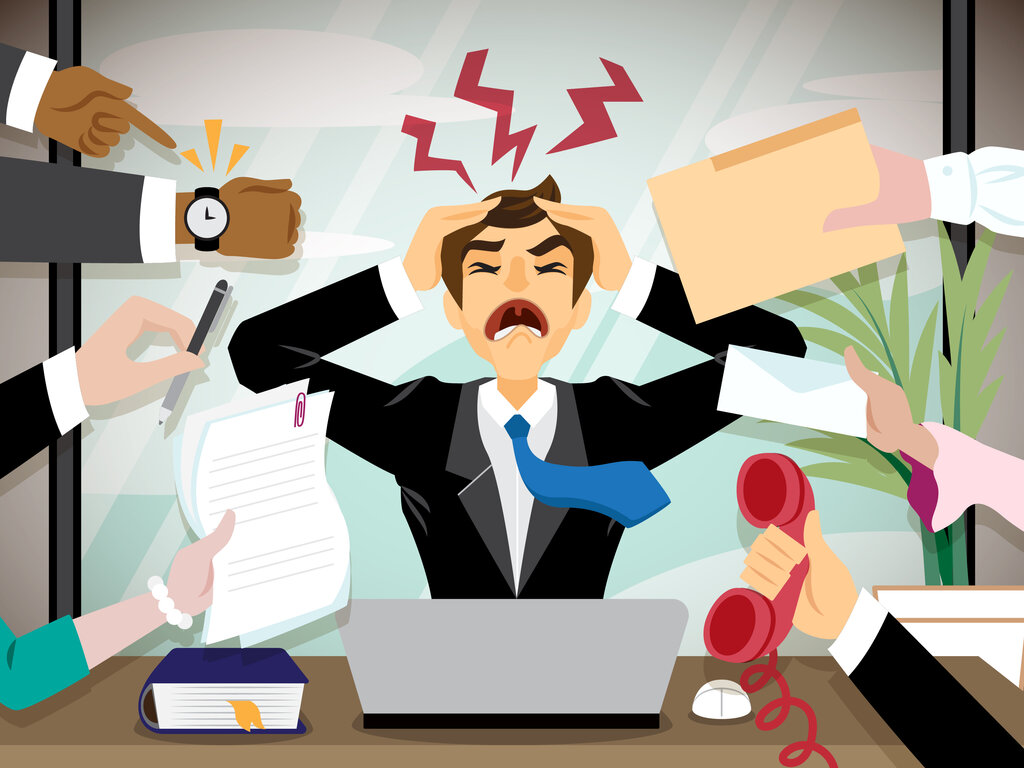
Psychologically, the impact is just as significant. You might feel irritable, anxious, or have trouble concentrating. Chronic stress can lead to a sense of being overwhelmed, exhausted, and detached, a state often described as burnout. It can interfere with your sleep, which in turn makes it even harder to cope with daily pressures.
The Toll of Chronic Stress
Unmanaged, long-term stress can contribute to serious health issues. The constant strain on your body can lead to:
- Heart Disease: Increased heart rate and blood pressure can damage your arteries over time.
- Weakened Immune System: Chronic stress can suppress your immune system, making you more susceptible to infections and illnesses.
- Digestive Problems: Stress can disrupt your digestive system, leading to issues like stomachaches, heartburn, and irritable bowel syndrome.
- Mental Health Issues: There's a strong link between chronic stress and conditions like depression and anxiety disorders.
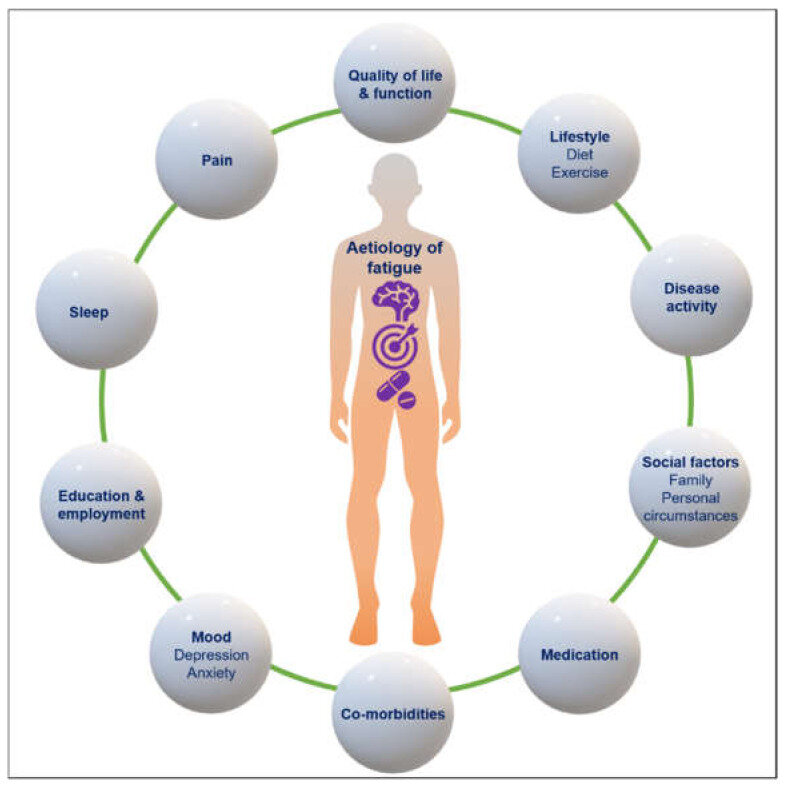
The key isn't to eliminate stress completely, which is impossible, but to manage it effectively. Learning to recognize your stress triggers and how your body responds is the first step. From there, you can develop techniques to calm your nervous system and counteract the fight-or-flight response.
It’s time to stop waging a battle against stress and move toward managing it in a healthier way.
Simple practices like deep breathing, mindful awareness, and physical activity can help reset your stress response. Meditation, for example, is a powerful tool for training your mind to be less reactive to stressful thoughts and situations. By learning to manage stress, you can protect your long-term health and improve your overall well-being.
What is the primary stress hormone that increases sugars in the bloodstream and enhances the brain's use of glucose?
Chronic stress occurs when the body's stress response doesn't turn off. What is a potential long-term consequence of this?