Mastering Daily Meditation for Stress Reduction
Understanding Stress
What is Stress?
Stress is your body's natural response to any demand or threat. When you sense danger, whether it's real or imagined, your body's defenses kick into high gear in a rapid, automatic process known as the "fight-or-flight" reaction. This is your body protecting you.
Stress isn't always bad. In small doses, it can help you perform under pressure and motivate you to do your best.
The trouble starts when this response stays activated over a long period. We can split stress into two main types:
- Acute stress is short-term and is your body's immediate reaction to a new challenge, like swerving to avoid a car accident or preparing for a presentation. It comes on quickly and, once the challenge passes, your body returns to its normal state.
- Chronic stress is long-term. This happens when the things causing you stress are constant and you don't get a chance to recover. Think of a high-pressure job, financial worries, or a difficult relationship. Your body stays in a heightened state of alert, which can have serious consequences.
Stressor
noun
Any event, situation, or stimulus that causes a stress response.
How Stress Affects Your Body
When you encounter a stressor, your brain's hypothalamus gets to work. It triggers an alarm system that floods your body with hormones, primarily cortisol and adrenaline. Adrenaline increases your heart rate and blood pressure, while cortisol, the primary stress hormone, increases sugars in the bloodstream and curbs functions that would be nonessential in a fight-or-flight situation.
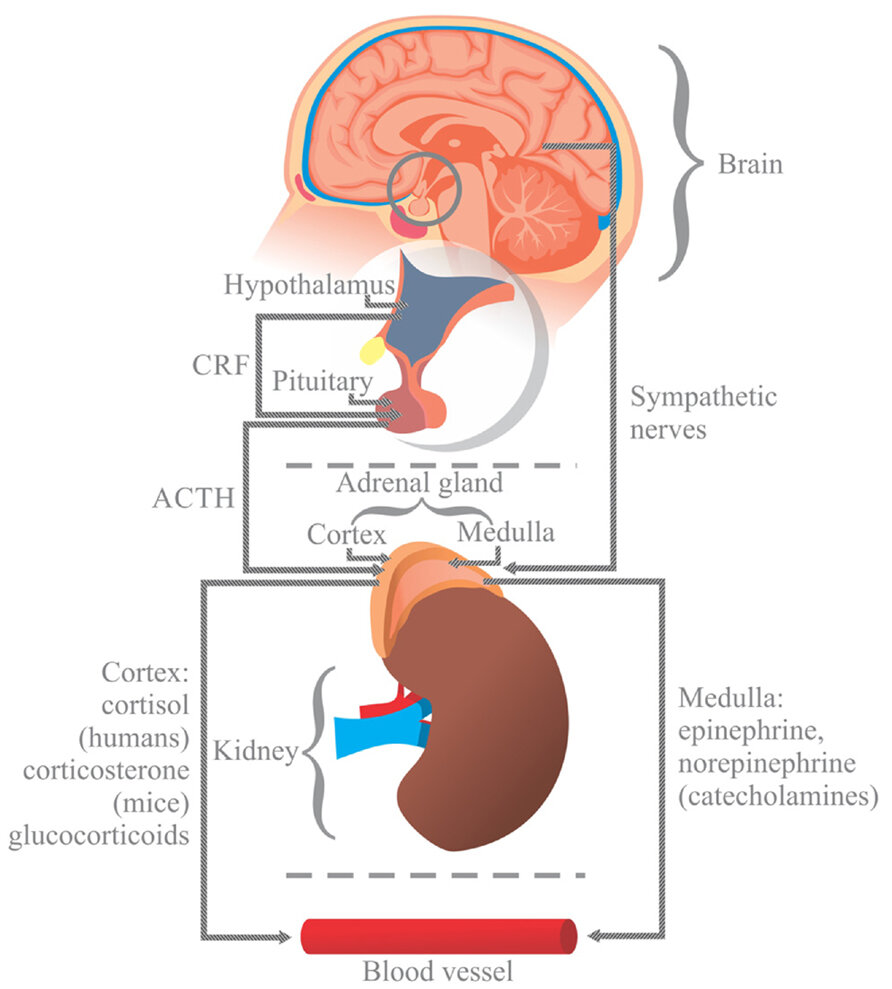
This system is brilliant for short-term emergencies. But when it's constantly active due to chronic stress, it starts to cause damage. Consistently high levels of cortisol and other stress hormones can disrupt almost all your body's processes. This puts you at increased risk for numerous health problems, including:
- Weakened Immune System: You may find yourself getting sick more often.
- Cardiovascular Issues: High blood pressure, heart attack, and stroke become more likely.
- Digestive Problems: Stress can lead to stomachaches, heartburn, and other gut issues.
- Sleep Disruption: It can be hard to fall asleep or stay asleep when your body is on high alert.
Chronic exposure to stress, from workplace pressures to personal challenges, can persistently elevate cortisol levels, disrupting the body's most basic functions and leading to long-term health consequences.
The Mind Under Pressure
Stress doesn't just impact your physical health; it takes a significant toll on your mind, too. The psychological effects can be just as debilitating as the physical ones. When you're under chronic stress, you might feel irritable, anxious, or have trouble concentrating. It can be hard to make decisions, and your memory might not feel as sharp as it used to.

These feelings can create a negative feedback loop. For example, stress from work might make you irritable at home, which then causes tension in your relationships, leading to even more stress. Over time, this constant strain can contribute to serious mental health conditions like depression and anxiety disorders.
Why Managing Stress Matters
Because chronic stress can quietly wreak havoc on your body and mind, learning to manage it is essential for long-term health and well-being. The goal isn't to eliminate stress completely—that's impossible. Instead, it's about developing the tools to handle stressors effectively and prevent your body's alarm system from getting stuck in the "on" position.
Stress management techniques are strategies that help you cope with stress in a healthier way. They can be simple lifestyle adjustments or more structured practices. Some broad approaches include:
- Physical Activity: Regular exercise is a powerful stress reliever.
- Healthy Diet: What you eat can impact your mood and ability to cope.
- Social Support: Connecting with friends and family is a crucial buffer against stress.
- Relaxation Techniques: Specific practices can help calm your physiological stress response.
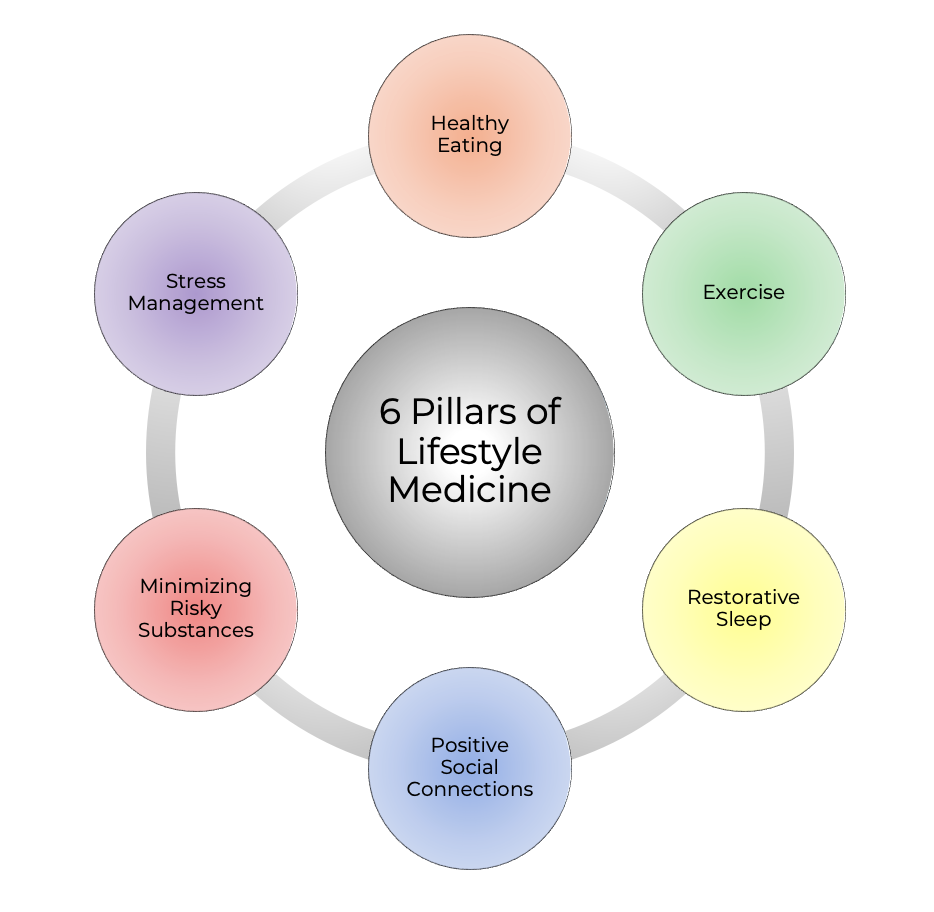
By actively working to manage stress, you can mitigate its harmful effects and improve your overall quality of life. Let's test what you've learned so far.
What is the primary function of the body's "fight-or-flight" reaction?
Which of the following scenarios best describes acute stress?
Recognizing how stress works is the first step. It's not just a feeling; it's a powerful physiological and psychological process. By understanding its impact, you're better equipped to manage it.