Mastering Daily Meditation for Stress Reduction
Understanding Stress
What is Stress?
Stress is your body's natural reaction to a challenge or demand. When you encounter a threat, whether it's a looming deadline or a near-miss in traffic, a part of your brain sets off an alarm. This triggers a flood of hormones, including adrenaline and cortisol, that prepare your body for immediate action. It’s a survival mechanism often called the "fight-or-flight" response.
This response is incredibly useful in short bursts. It helps you perform under pressure or react quickly in a dangerous situation. This is known as acute stress. The problem arises when the alarm system stays on.
Chronic stress is what happens when stressors are constant and you feel you have little control over them. Your body remains in a heightened state of alert for days, weeks, or even longer. Think of it like a smoke alarm that won't turn off. At first, it's a helpful warning, but left beeping for weeks, it becomes a draining, damaging problem in itself.
stress
noun
A state of mental or emotional strain or tension resulting from adverse or demanding circumstances.
The Toll of Chronic Stress
When your body is constantly marinating in stress hormones, it takes a toll. Imagine driving your car everywhere in first gear at high RPMs. The engine isn't designed for that, and eventually, parts will start to wear out. The same is true for your body.
Physiologically, chronic stress can disrupt nearly all your body's processes. It can increase your risk of high blood pressure, heart attacks, and strokes. It can also suppress your immune system, making you more susceptible to infections, and can cause digestive problems, aches, and sleep issues.
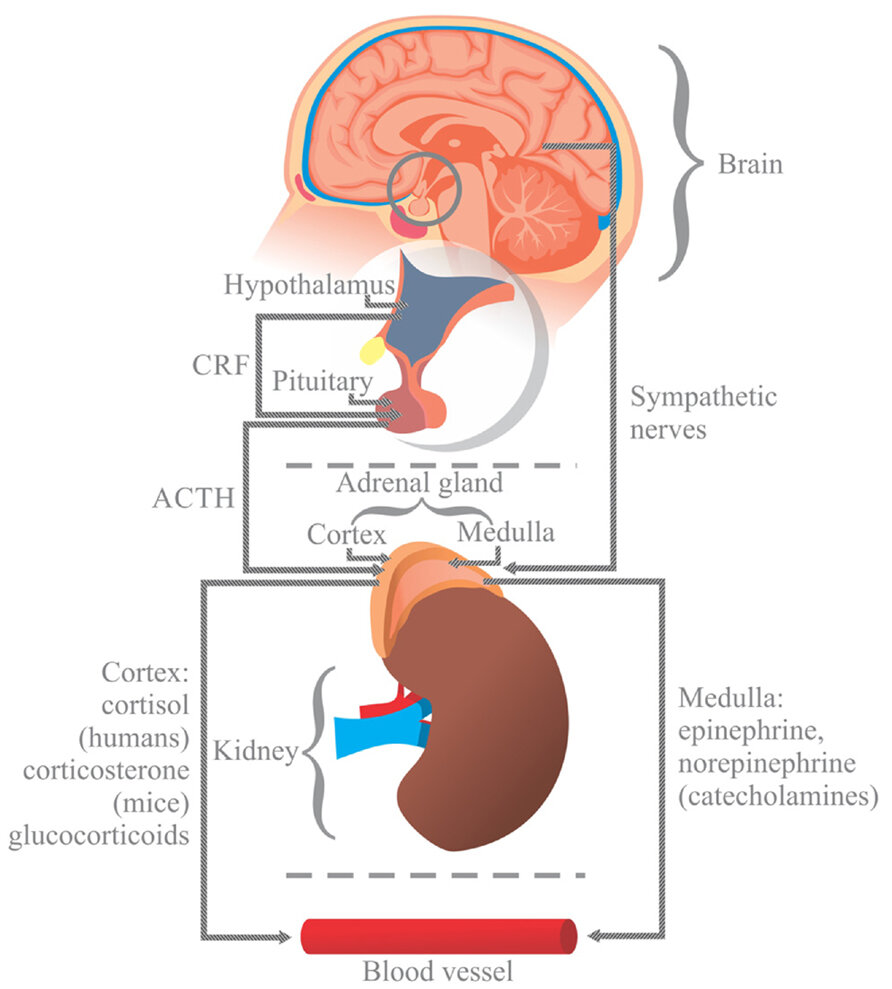
The psychological effects are just as serious. Persistent stress can lead to anxiety, depression, and irritability. It can cloud your thinking, making it hard to concentrate or make decisions. You might feel overwhelmed, exhausted, and unable to cope with daily life.
Chronic stress isn't just a state of mind; it's a physiological state that can reshape your brain and body for the worse.
Managing Your Response
Since we can't eliminate stress from our lives entirely, the goal is to manage it effectively. Stress management is about learning to control the fight-or-flight response so it doesn't control you. It's about developing tools to turn off the alarm when the immediate danger has passed.
This is where practices like meditation come in. Meditation isn't about stopping your thoughts or emptying your mind. It's about learning to observe your thoughts and feelings without judgment. By doing so, you can create a small space between a stressful event and your reaction to it.
This practice helps activate the body's relaxation response, which is the opposite of the stress response. It acts as a reset button, helping to lower your heart rate, blood pressure, and muscle tension. Over time, it can help undo the damage of chronic stress and build your resilience to future challenges.
Understanding how stress works is the first step toward managing it. By recognizing its effects on your body and mind, you can begin to take back control.