Mastering D-Block Elements MCQs
Introduction to d-Block Elements
Meet the Transition Metals
In the heart of the periodic table, spanning groups 3 through 12, you'll find a special group of elements known as the d-block elements. You probably know them better by their common name: the transition metals. They form a bridge, or a transition, between the highly reactive metals on the left side of the table (s-block) and the less metallic elements on the right (p-block).
This central location gives them a unique set of properties that distinguish them from other elements.
What Makes Them Special
All d-block elements are metals. They are typically hard, shiny, and have high melting and boiling points. Think of common metals like iron, copper, and gold—they're all transition metals. But their most interesting traits come from their electron structures, which allows them to behave in special ways.
One of the most striking characteristics is their tendency to form colorful compounds. While compounds of s-block elements (like table salt, sodium chloride) are usually white, many transition metal compounds are brightly colored. This happens because of the way their d-electrons absorb and reflect light.
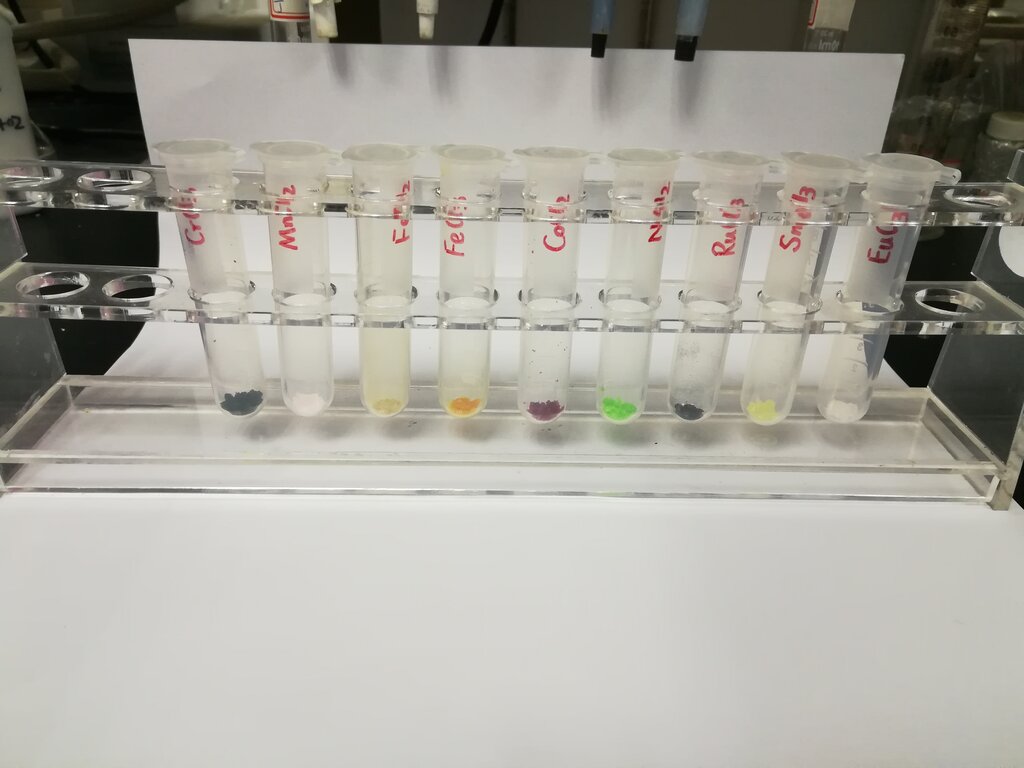
Transition metals are also known for having multiple oxidation states. This means an element like iron can exist as an ion or an ion, depending on the chemical environment. This versatility is key to their role in many chemical reactions.
Finally, they are excellent catalysts. A catalyst is a substance that speeds up a chemical reaction without being consumed by it. The catalytic converters in cars, for example, use transition metals like platinum and palladium to help turn harmful pollutants into less harmful substances.
Key Traits: Form colored compounds, have variable oxidation states, and act as effective catalysts.
Everyday Superstars
The importance of d-block elements is all around us. They are fundamental to both industry and biology. Without iron, we wouldn't have steel for building bridges and cars. Without copper, our electrical grid wouldn't function. Gold and silver are prized for their beauty in jewelry and valued for their conductivity in electronics.
Here are just a few examples of these vital elements and their uses:
| Element | Symbol | Common Use |
|---|---|---|
| Iron | Fe | Backbone of the construction industry (steel) |
| Copper | Cu | Electrical wiring and plumbing |
| Zinc | Zn | Protecting steel from rust (galvanizing) |
| Gold | Au | Jewelry and high-end electronics |
| Titanium | Ti | Aerospace engineering and medical implants |
| Platinum | Pt | Catalytic converters in vehicles |
Even within our bodies, transition metals play crucial roles. Iron is the central atom in hemoglobin, the molecule in your red blood cells that carries oxygen. Zinc is essential for many enzymes to function properly. They may be in the middle of the periodic table, but they are central to our world.
Let's review what we've learned about these fascinating elements.
Where are the d-block elements, also known as transition metals, located on the periodic table?
Which of the following is a defining characteristic of most transition metals?
Now that you can identify the transition metals and their general properties, you're ready to explore their specific behaviors in more detail.