Mastering Cybersecurity Fundamentals
Introduction to Cybersecurity
What Is Cybersecurity?
Cybersecurity is the practice of protecting computers, networks, and data from digital attacks, damage, or unauthorized access. Think of it like locking the doors to your house. You do it to protect your belongings and your privacy. In the digital world, cybersecurity is the lock on your virtual doors.
Its importance has grown as more of our lives move online. We bank, shop, connect with friends, and store personal information on digital devices. This information, from your financial details to your private conversations, is valuable. Cybersecurity aims to keep that information safe from those who might want to steal or misuse it.
digital asset
noun
Any digital information or resource that has value to an organization or individual. This includes everything from documents and databases to intellectual property and online accounts.
Protecting these digital assets is the core goal. Whether you're an individual trying to secure your email account or a large corporation defending its entire network, the fundamental principles are the same: keep sensitive data out of the wrong hands.
The Cyber Threat Landscape
The digital world has its share of dangers. These dangers are often called cyber threats, and they come in many forms. The people behind them, often called malicious actors, have various motivations, from financial gain to political disruption.
Understanding the landscape of these threats is the first step in defending against them. While there are many specific types of attacks, they generally follow a pattern to achieve their goal. This process is often called an "attack chain."
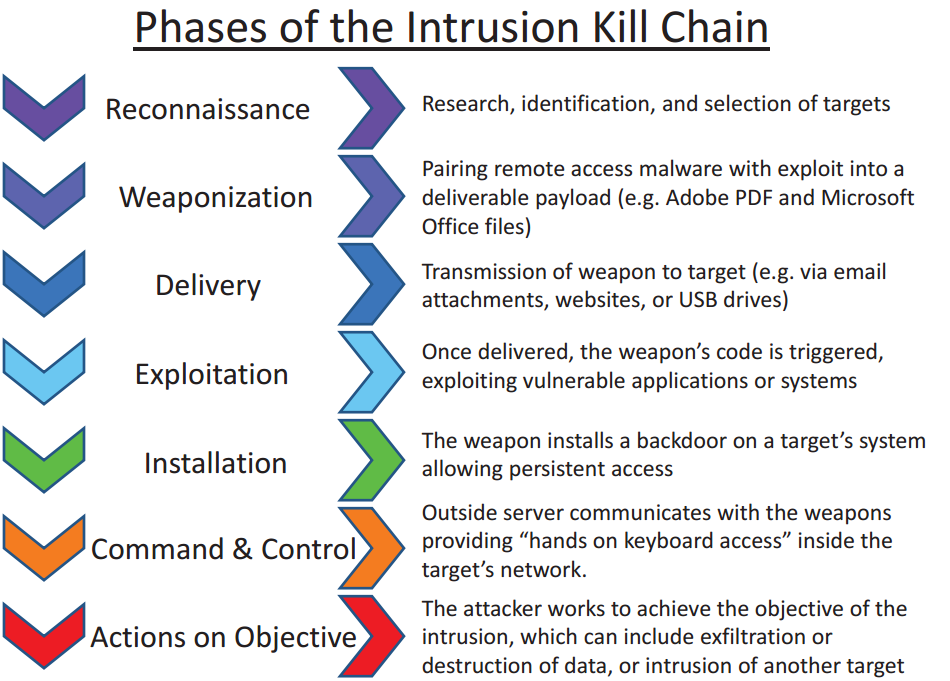
Some of the most common threats you'll encounter include:
- Malware: Malicious software designed to disrupt operations or gain unauthorized access. Viruses and ransomware are common examples.
- Phishing: Tricking individuals into revealing sensitive information, like passwords or credit card numbers, by pretending to be a trustworthy source.
- Denial-of-Service (DoS) Attacks: Overwhelming a system with traffic to make it unavailable to legitimate users.
The threat landscape is not static. New vulnerabilities are discovered and new attack methods are developed constantly, making cybersecurity a continuous process of adaptation.
The CIA Triad
To build a strong defense, cybersecurity professionals rely on a foundational model known as the CIA triad. This isn't about intelligence agencies; it's a security model that stands for Confidentiality, Integrity, and Availability. These three principles are the pillars of a robust security posture.
Confidentiality is about privacy. It means ensuring that data is accessible only to authorized users. Encryption is a common tool for maintaining confidentiality. Think of it as putting a letter in a sealed envelope; only the person it's addressed to should be able to open it.
Integrity focuses on ensuring that data is accurate and trustworthy. It involves protecting information from being modified or deleted by unauthorized parties. A digital signature on a document helps ensure its integrity, proving it hasn't been tampered with since it was signed.
Availability means that information and systems are accessible to authorized users when they need them. A denial-of-service attack is a direct assault on availability, as it aims to make a service unusable.
These are the core principles of cybersecurity, ensuring that information is kept secret, accurate, and accessible only to authorized users.
A failure in any one of these areas can have significant consequences. For example, if a hospital's patient records are encrypted by ransomware, their availability is lost. If a bank's transaction records are altered, their integrity is compromised. If private emails are leaked, confidentiality is breached. A strong cybersecurity strategy must address all three principles.
Now that you understand the basics, let's review these core concepts.
What is the primary goal of cybersecurity?
You receive an urgent email that appears to be from your bank, asking you to click a link and confirm your password immediately. This is a classic example of what type of threat?
This is just the beginning. With this foundation, you're ready to explore the specific tools and strategies used to protect the digital world.